




Solid Surface vs. Stone Resin Bathtubs: What's the Real Difference?
Stone resin and solid surface bathtubs are closely related cast composites — both warm to the touch, seamlessly molded, and repairable — but they are not the same material. Solid surface uses finer mineral fillers at a higher resin-to-filler ratio, producing a smoother, more homogeneous finish, while stone resin relies on crushed stone or coarser mineral aggregate that gives it a visibly textured, natural-stone appearance.
Two Materials That Are Easy to Confuse
The confusion between stone resin and solid surface is understandable. Both are cast in molds. Both avoid the cold, hard shock of steel or ceramic. Both can be manufactured without grout lines or seams. Marketing language often blurs the lines further, with some brands using the terms interchangeably. The honest answer is that they share a common manufacturing philosophy but differ meaningfully in composition, surface character, and repairability.
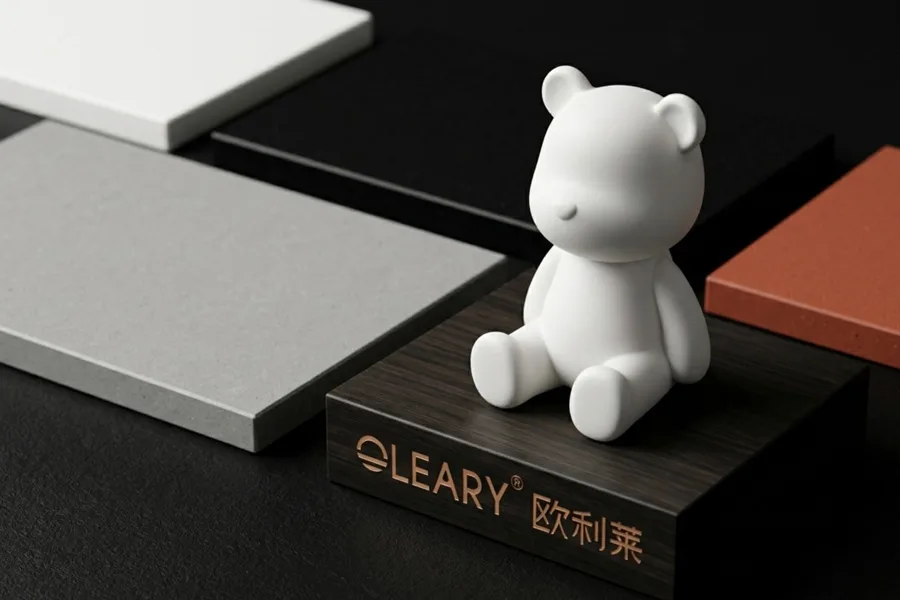
When comparing solid surface material against stone resin side by side, the most immediate difference is visual. Stone resin products typically display visible aggregate — a texture that intentionally references natural stone. Solid surface finishes are more controlled and uniform, ranging from a clean matte to a soft satin, with any particulate pattern determined precisely by the fabricator rather than by the random character of aggregate.
How the Materials Are Actually Made
Stone Resin Composition
Stone resin bathtubs are cast composites built from crushed stone or coarse mineral fillers bound together in resin. The aggregate content is high relative to the binder, which creates the characteristic weight and the textured surface most buyers associate with a premium, natural aesthetic. The look is tactile and organic — no two pieces read exactly alike.
Solid Surface Composition
Solid surface takes a different approach. The mineral fillers are finer and more uniform, and the resin-to-filler ratio is higher. The result is a denser, more homogeneous slab where color and pattern are consistent from the outer face through the full wall thickness. That uniformity is not just an aesthetic choice — it has direct consequences for how the material behaves over time and how easily it can be restored.
At OLEARY, solid surface is the material of choice for both residential and hospitality projects precisely because that controlled composition allows the fabrication team to hold tight tolerances on color, finish, and form across custom runs.
Which One Repairs More Easily?
Both solid surface and stone resin can be repaired — that is a genuine advantage both materials share over enameled steel or acrylic, where surface damage is largely permanent. The difference lies in how invisible the repair can be made.
Because solid surface carries its color uniformly through the wall thickness, a scratch, scuff, or minor chip can be sanded, buffed, and brought back to a finish that is essentially indistinguishable from the surrounding area. The material you expose underneath is the same color as the surface. There is no coating to breach, no color gradient to match.
Stone resin presents a more complex repair scenario. The visible aggregate means color and texture vary across the surface by design. Matching that random pattern after a repair is difficult, and the result is more likely to show a visible difference — particularly under raking light. Repairs are still possible, but the standard for "invisible" is harder to reach.
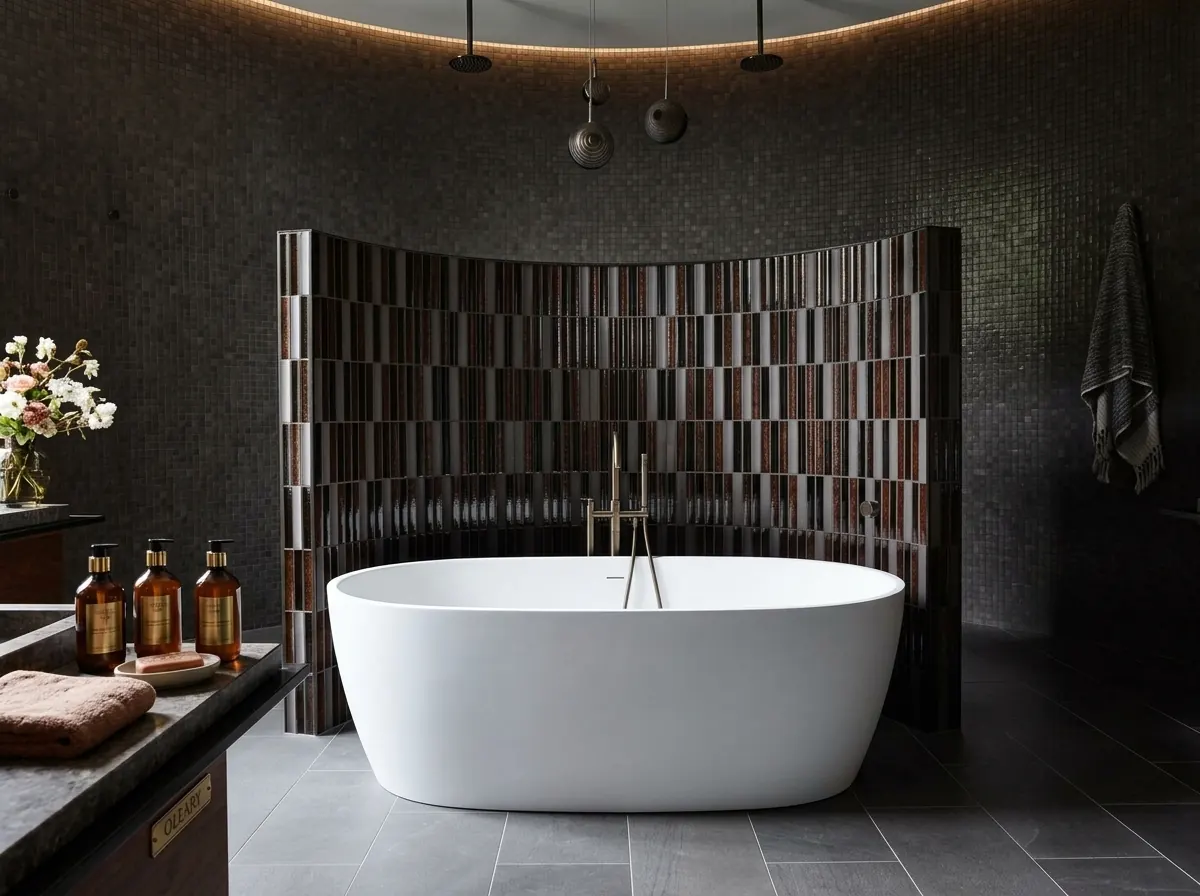
For a freestanding bathtub that sits at the center of a bathroom — exposed on all sides and viewed in direct light — that repairability gap matters more than it would for a recessed installation.
Aesthetic Fit: Which Material Belongs in Which Space?
Neither material is universally superior — the right choice depends on the design direction of the space.
- Stone resin suits interiors that reference natural materials — raw concrete, travertine, slate, or honed limestone. The visible aggregate reads as organic and tactile, complementing earthy, textural palettes.
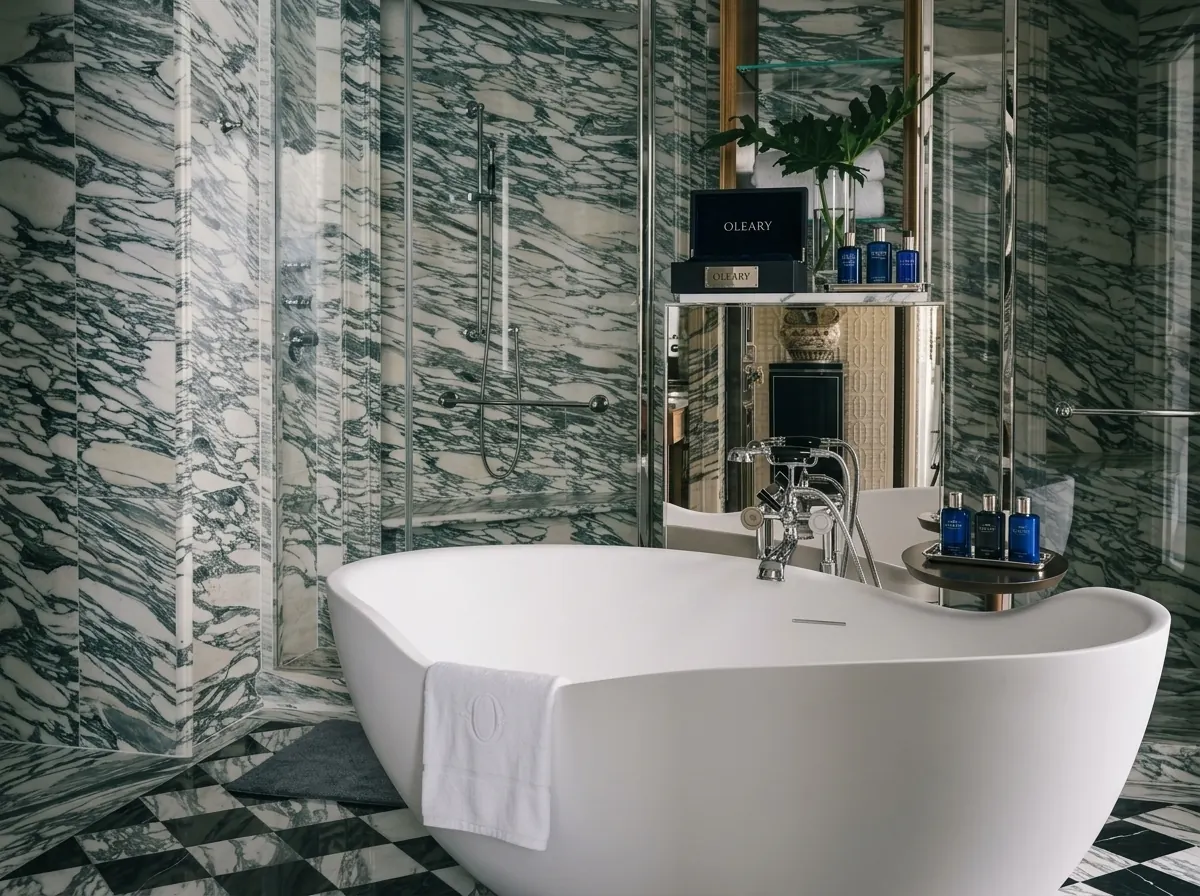
- Solid surface suits interiors that call for precision: clean architectural lines, minimal color palettes, uniform matte planes. Hospitality projects in particular favor it because consistent color and finish across multiple units is achievable without relying on natural variation.
For a built-in or alcove bathtub installation where the tub deck needs to match surrounding surfaces like a vanity top or shower walls, solid surface's color consistency across product types is a practical advantage.
Key Takeaways
Stone resin and solid surface are close cousins — both cast and repairable — but solid surface typically delivers a smoother, more uniform finish while stone resin leans toward visible aggregate texture. For invisible repairs, solid surface's homogeneous color through the wall thickness is generally easier to bring back to original than most stone resin finishes.
If the design calls for a controlled, consistent aesthetic with strong long-term repairability, solid surface is the more practical choice. If the priority is a surface that reads as naturally stony and textured, stone resin delivers that character in a way solid surface does not attempt to replicate.
Working With OLEARY
Every custom solid surface bathtub produced at OLEARY is cast to project specifications — shape, dimension, finish, and color — for both residential renovations and hospitality builds. If you are working through a material decision or need technical details to support a specification, request a quote and the team can walk through the options with you directly.