

Solid Surface vs. Cast Iron Bathtubs: Weight, Cost, and Durability
Solid surface and cast iron bathtubs differ significantly across three practical dimensions. Cast iron is sand-cast iron coated with vitreous enamel — heavy, hard, and prone to chipping. Solid surface is a mineral-resin composite cast in molds — meaningfully lighter, repairable, and easier to install without special structural preparation or lifting equipment.

How Each Material Is Made
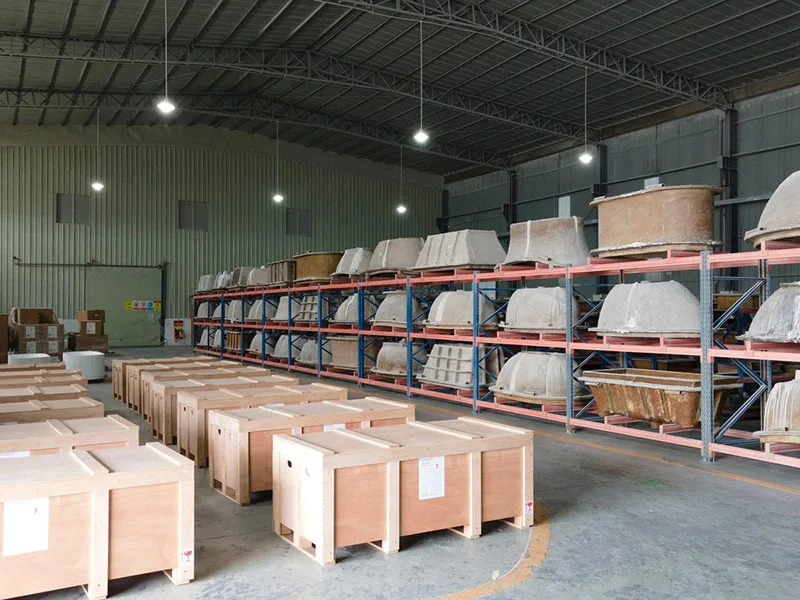
Cast iron tubs start as molten iron poured into sand molds. Once cooled and machined, the surface is coated with vitreous enamel — a glass-like finish fused at high temperature. The result is a dense, rigid shell with a glossy, relatively hard surface.
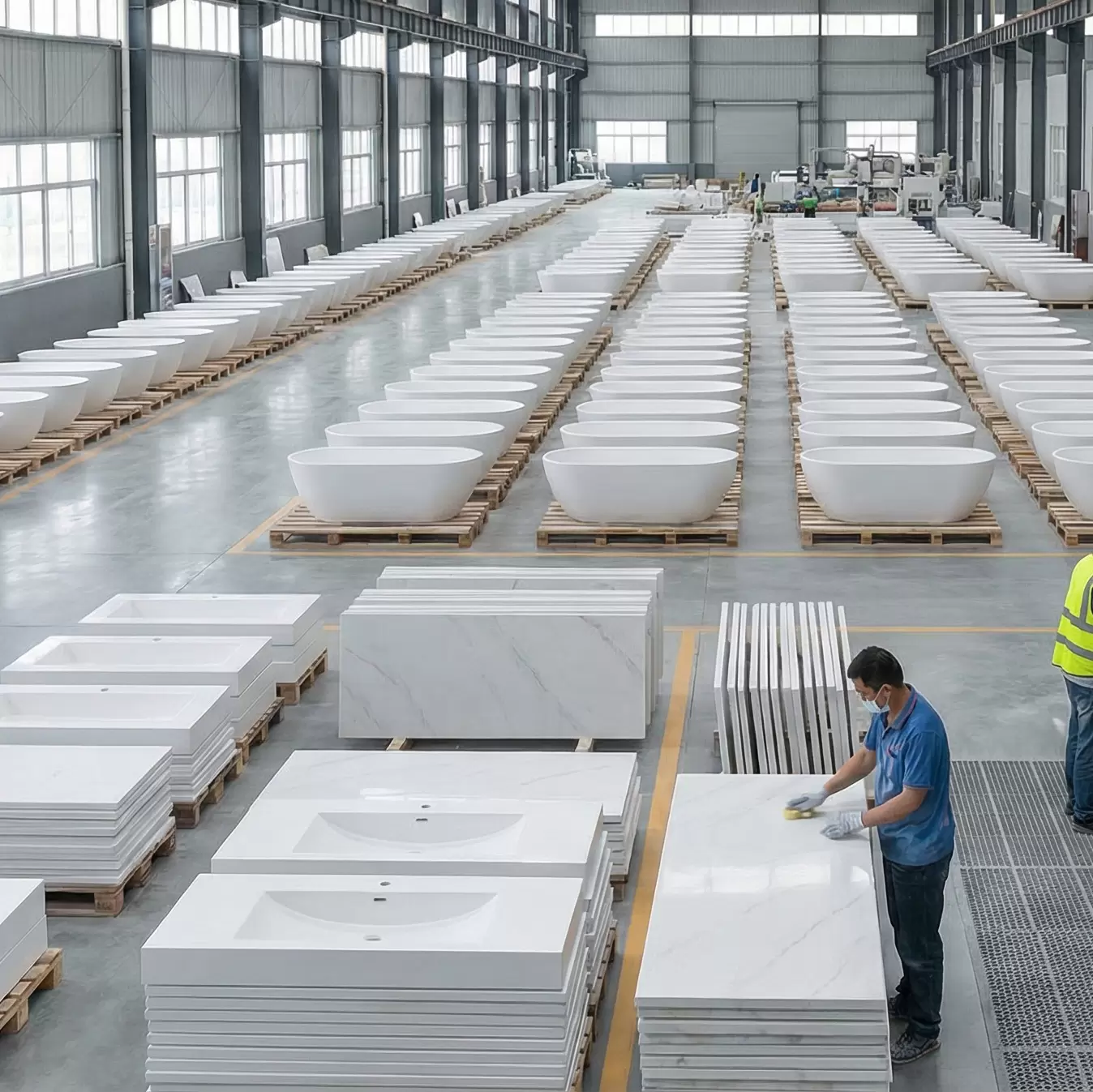
Solid surface material takes a different path. Mineral fillers and acrylic or polyester resins are blended and cast directly into the shape of the finished tub. The material is homogeneous all the way through — there is no separate coating or substrate to delaminate.
Weight: The Difference You Feel Before Installation Day
Cast iron tub weight is one of the most common surprises homeowners encounter during a renovation. A standard cast iron alcove tub is several times heavier than a comparable solid surface tub of the same size. That weight differential has real consequences:
- Older floors may require reinforcement before a cast iron tub can be installed safely.
- Delivering a cast iron tub to an upper floor often requires multiple crew members and, in some cases, crane equipment or removal of a window.
- Solid surface is light enough that one installer can usually move it into position without any of that.
Solid surface is meaningfully lighter than cast iron while still feeling substantial, making it easier to deliver to upper floors and to install without special floor reinforcement. For high-rise apartments, historic homes with aging joists, or any project where logistics matter, that difference is not trivial.
Installation: Cast Iron vs. Solid Surface Tub Complexity
The built-in / alcove bathtub format is where cast iron's weight becomes most disruptive. Getting a heavy cast iron tub through a finished bathroom door, around corners, and into an alcove opening is a multi-person job. Substrate requirements can add time and cost before the tub even touches the floor.
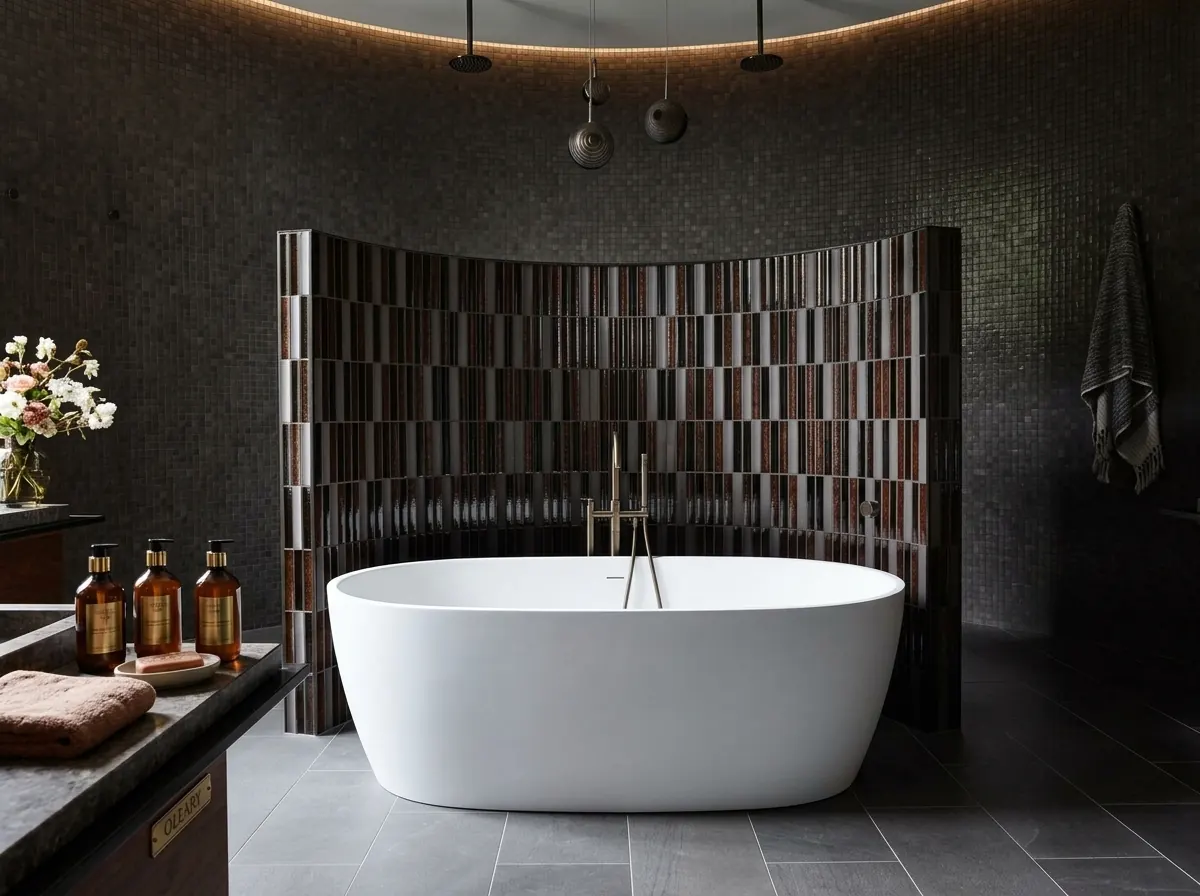
A custom solid surface bathtub moves differently. A single experienced installer can typically reposition it without mechanical assistance. For freestanding bathtub installations — where the tub is placed in open floor space and connected to a floor-mount faucet — the weight advantage becomes even more useful, since the tub may need to be shifted slightly during rough-in alignment.
Durability: Enamel Chips vs. Surface Repairs
Cast iron's enamel surface is hard, but hardness and toughness are not the same thing. Drop a heavy shampoo bottle at the right angle and the enamel can chip, exposing the dark iron underneath. That chip is difficult to color-match. Standard tub repair kits rarely produce an invisible result, and the repaired area tends to be prone to flaking again over a long service life because the patch sits on top of — rather than bonded within — the base material.

Solid surface damage behaves differently. Because the material is the same color and composition throughout its depth, a scratch or scuff can be wet-sanded and buffed back to a smooth finish without any visible seam or color mismatch. Cast iron's hard enamel chips to dark metal on impact, while solid surface damage stays within a sandable, color-matched surface. For high-traffic hospitality environments or households with young children, that repairability changes the long-term maintenance equation.
Cost Considerations
Cast iron tubs carry costs at both ends of the project. Entry-level cast iron models exist, but the material's weight drives up shipping, and installation labor is higher when floor reinforcement and multi-person lifting are involved. On the other end of the price spectrum, premium cast iron freestanding tubs can be a significant investment.
Solid surface tubs occupy a wide range depending on size, configuration, and customization. Where OLEARY brings a specific advantage is in custom sizing and shaping — because solid surface is cast in molds, it is practical to produce non-standard dimensions, integrated armrests, or unique basin profiles without the tooling costs that would be prohibitive in cast iron manufacturing. For renovation projects where the bathroom footprint does not conform to standard tub sizes, that flexibility has a direct effect on total project cost.
Which Material Fits Your Project?
Cast iron is a proven material with a long track record. If the floor structure is already rated for the weight, if the bathroom is on the ground floor, and if a chip-resistant enamel finish aligns with the project's maintenance expectations, it remains a reasonable choice for buyers who prefer it.
Solid surface is the stronger fit when installation logistics are a constraint, when the floor loading needs to stay manageable, or when long-term repairability matters. It is also the more practical path when custom dimensions or integrated design details are part of the brief.
If you are weighing these options for a specific project, request a quote from OLEARY with your room dimensions and configuration in mind — the material choice often becomes straightforward once the project's specific constraints are on the table.