

How to Choose a Solid Surface Bathtub: A Buyer's Guide
Choosing a solid surface bathtub comes down to four core comparisons: material composition, installation type, size and shape, and finish options. Evaluate each against your bathroom layout, usage habits, and aesthetic goals. A custom solid surface bathtub adds a fifth variable — the ability to specify dimensions and form that off-the-shelf products cannot match.
What Is Solid Surface and Why Does It Matter?
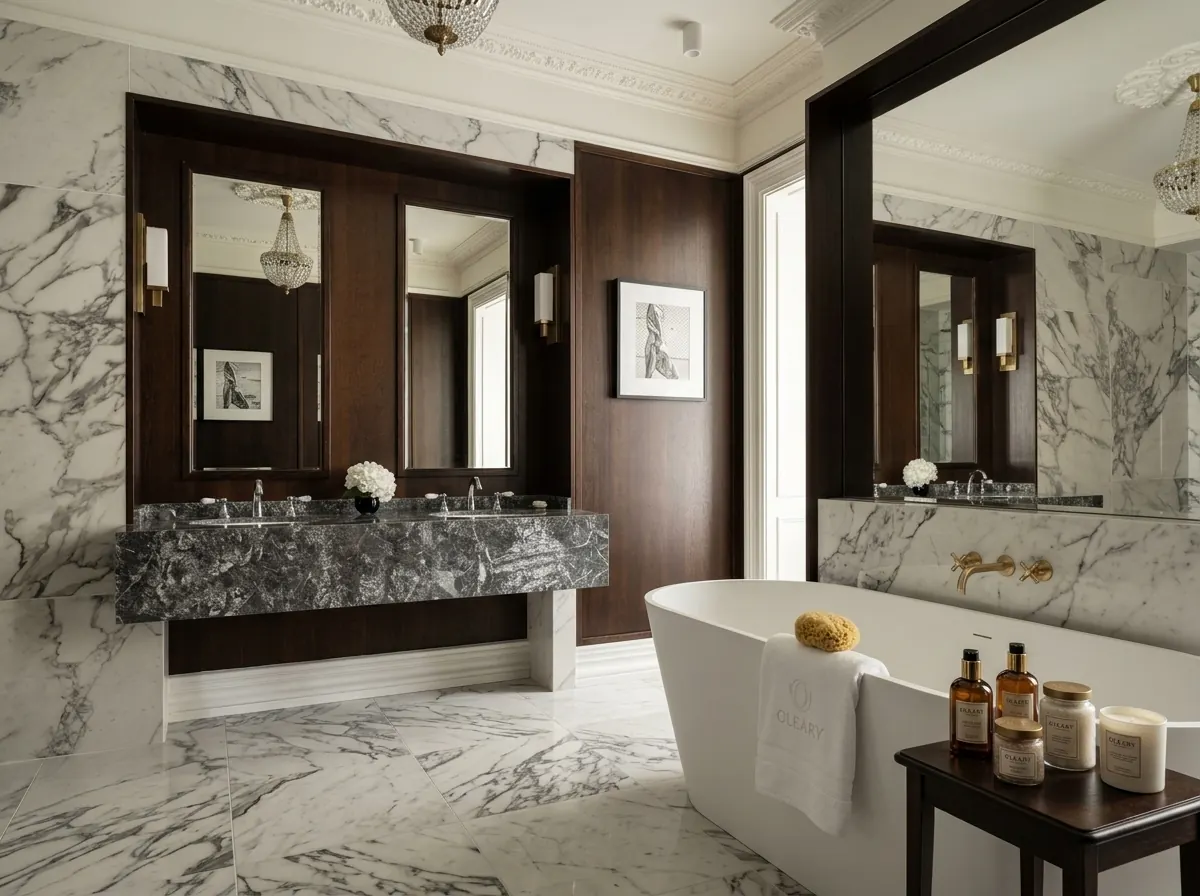
Solid surface material is a man-made composite — typically a blend of mineral-derived fillers and acrylic or polyester resins — cast or thermoformed into a non-porous, homogeneous slab. Unlike porcelain-enameled steel or fiberglass, the color and texture run through the entire thickness of the material. That structural consistency is the defining quality that shapes every buying decision downstream: repairability, thermal feel, surface maintenance, and design flexibility.
For a bathtub specifically, non-porosity matters because bath environments are permanently wet. A surface that does not absorb moisture resists mold, mildew, and staining without the grout lines or surface coatings that degrade over time.
Key Factors to Compare Before You Buy
1. Material Composition and Quality
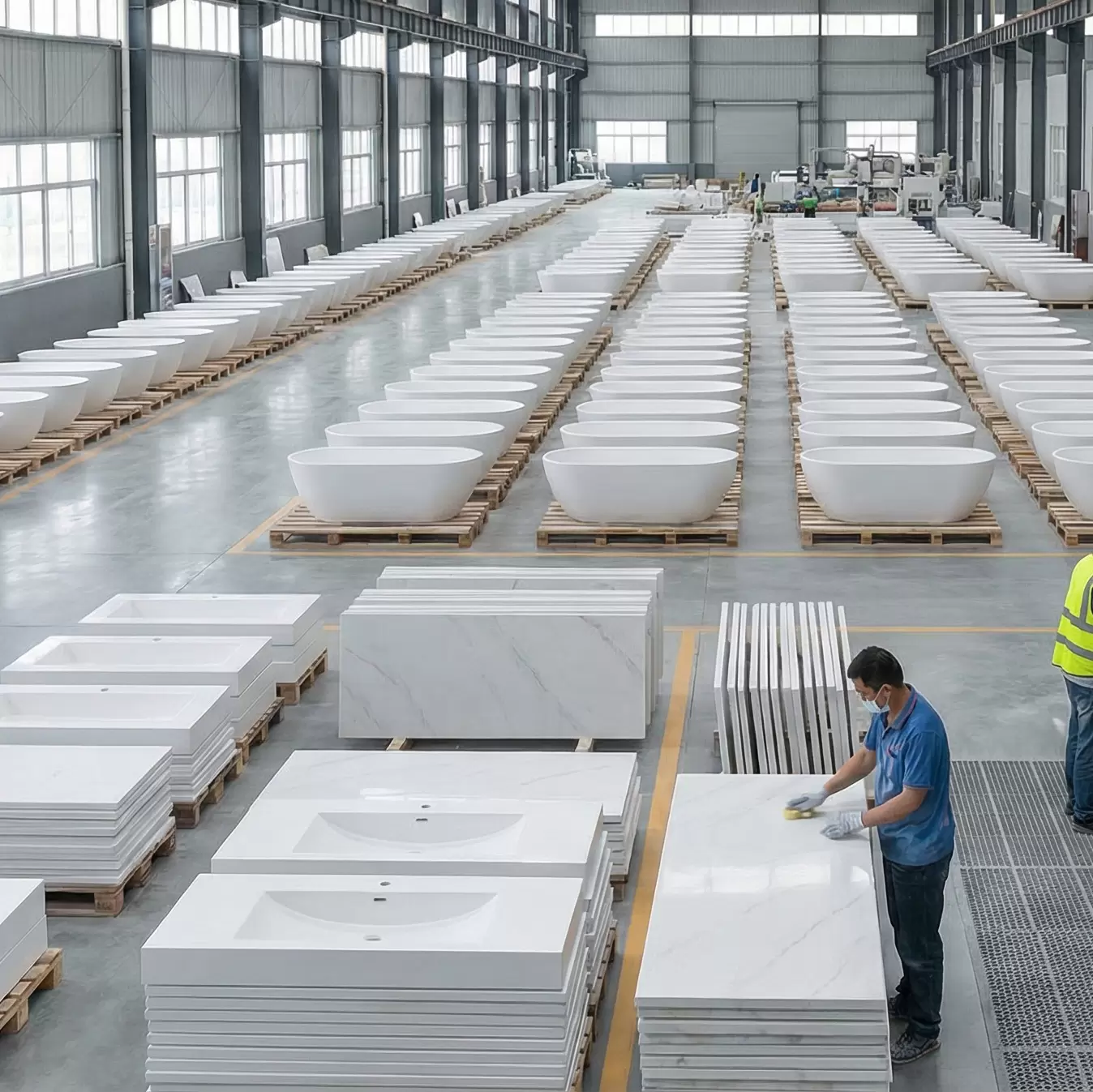
Not all solid surface products are equivalent. The ratio of mineral filler to resin, and the quality of those raw materials, determines how the finished tub performs in heat retention, scratch resistance, and long-term color stability. Ask any manufacturer — including OLEARY — whether the material is fully homogeneous or a laminate construction. Fully homogeneous material can be sanded and buffed to remove surface scratches; a laminate cannot.
Also ask about UV stability. A bathtub positioned near a skylight or window will be exposed to indirect sunlight over many years. Lower-grade resins yellow or gray with prolonged UV exposure; higher-grade formulations hold their color far longer.
2. Installation Type: Freestanding vs. Built-In
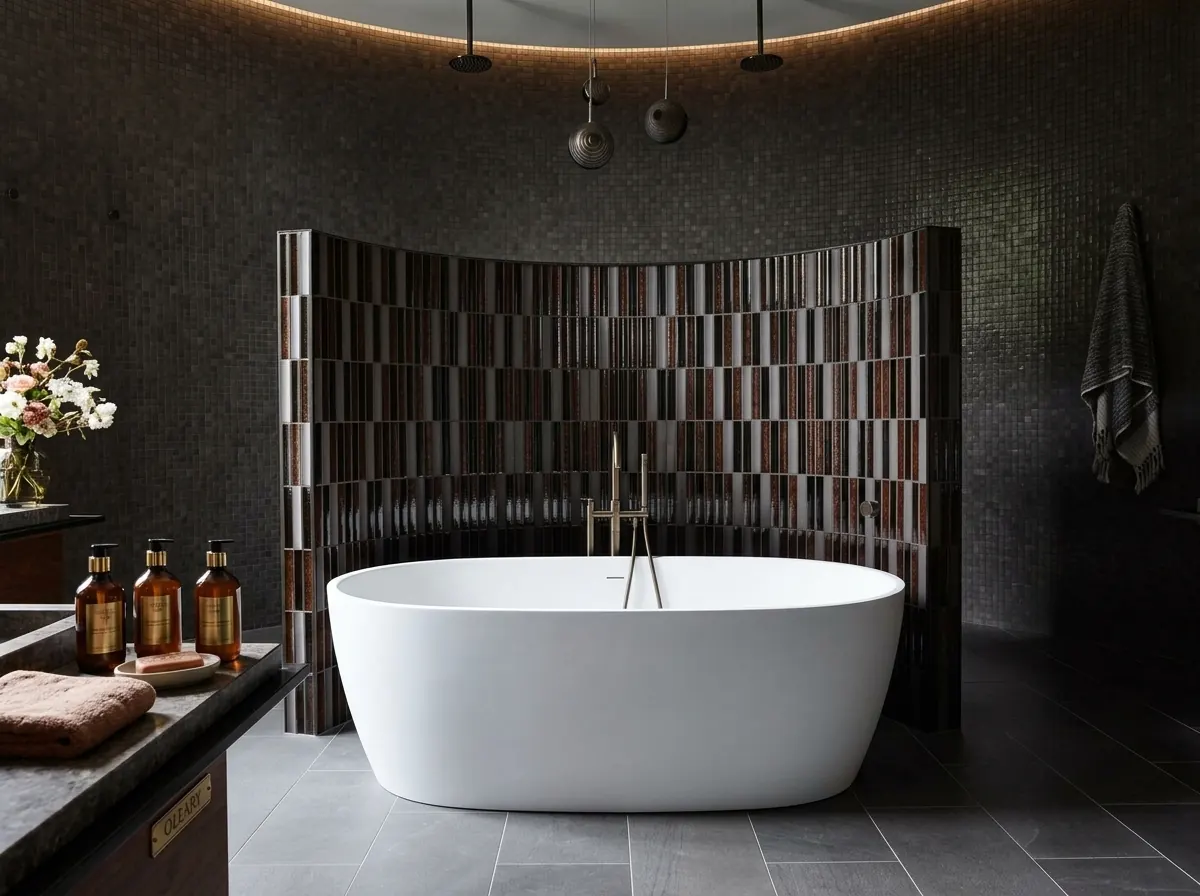
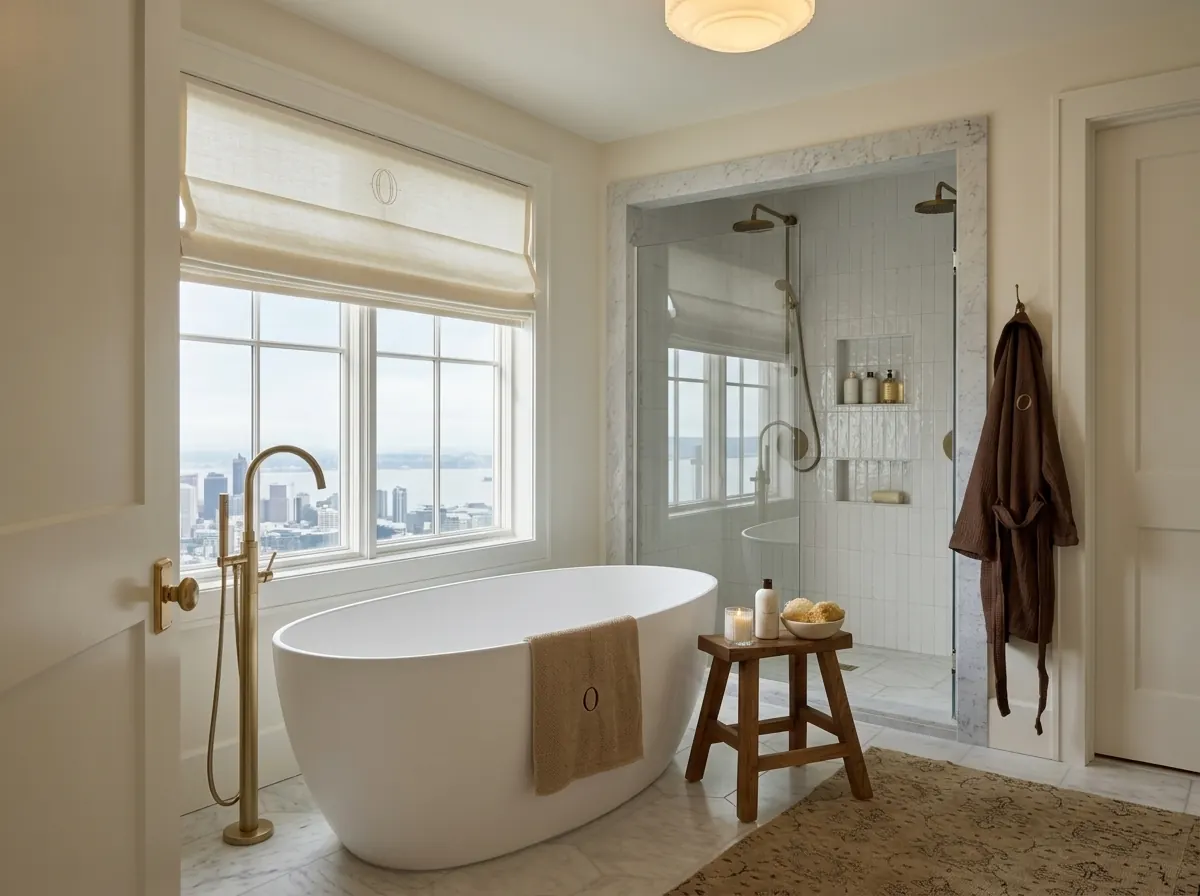
This decision affects both your renovation budget and the final look of the bathroom. A freestanding bathtub stands independent of any wall, which means it requires plumbing rough-in at the floor and adequate clearance on all sides for cleaning and visual balance. It suits open bathroom layouts and is the dominant choice in hospitality design because it functions as a visual centerpiece.
A built-in / alcove bathtub is recessed into a three-wall surround, which makes efficient use of space and integrates cleanly with tile or solid surface wall panels. It is the practical choice for residential bathrooms with limited floor area. Some designs use a two-wall drop-in configuration, which offers a middle ground between the two.
Confirm with your contractor which configuration your existing plumbing and structural floor can support before you select a model.
3. Size, Depth, and Ergonomics
Bathtub dimensions need to match both the room and the people using it. Standard interior lengths accommodate most adults, but a shorter soak length forces an uncomfortable slouch, and a shallow basin defeats the purpose of a soaking tub. When evaluating a custom option, consider interior basin depth and lumbar angle — the slope of the back wall — as carefully as you consider the exterior footprint.
For households with elderly users or anyone with mobility considerations, rim height and interior step-down depth are safety variables, not just aesthetic ones.
4. Color and Finish
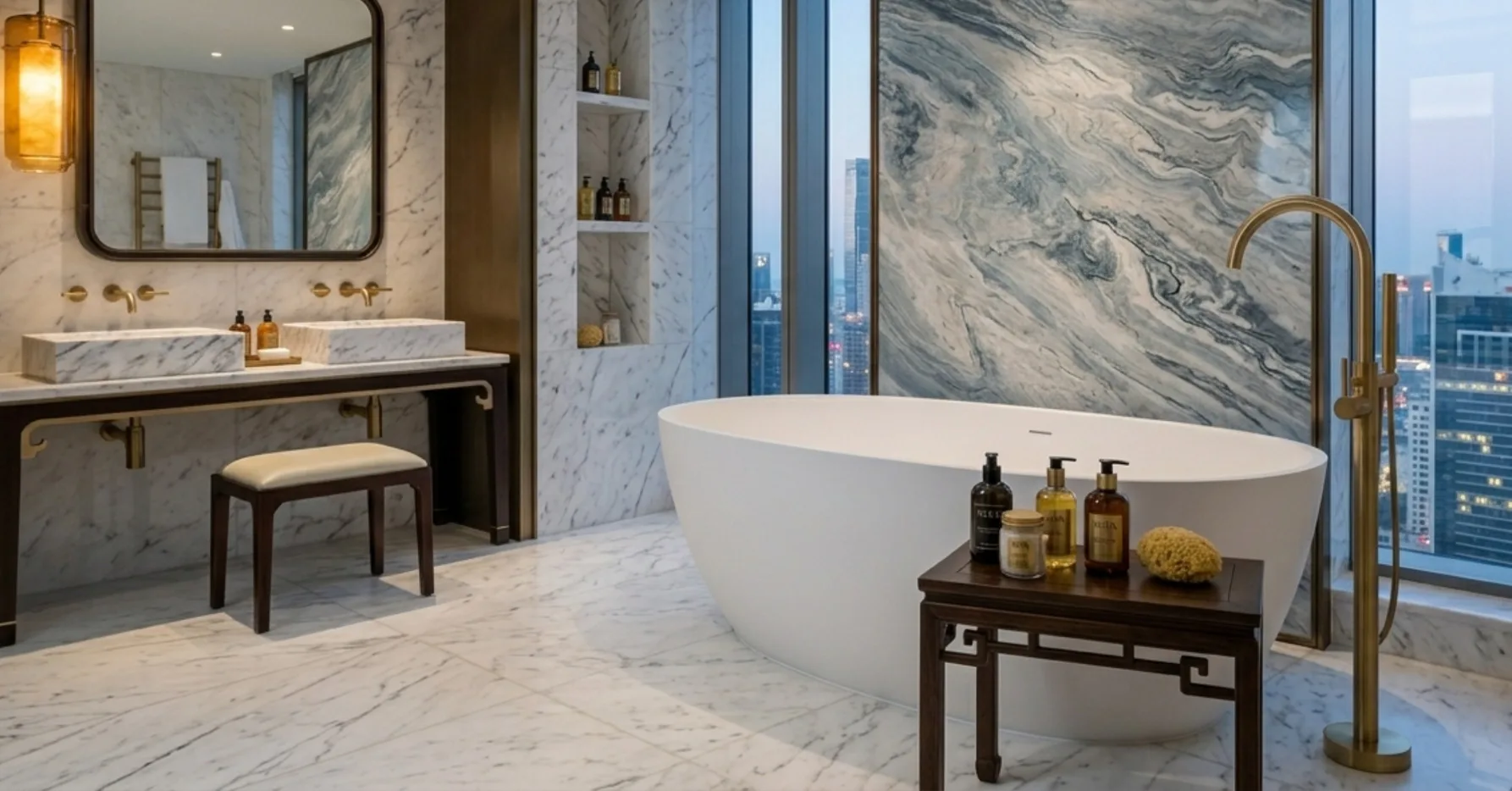
Solid surface is available in a wide range from pure matte whites to stone-look patterns with veining. Matte and semi-matte finishes are the most common in bathtub applications because they conceal minor surface wear and water marks more effectively than high-gloss surfaces. Gloss finishes photograph well but show every water spot in daily use.
If you are matching to an existing vanity top or wall panel, request physical samples rather than relying on screen color. Solid surface pigmentation reads differently under different lighting conditions.
5. Custom vs. Stock Dimensions
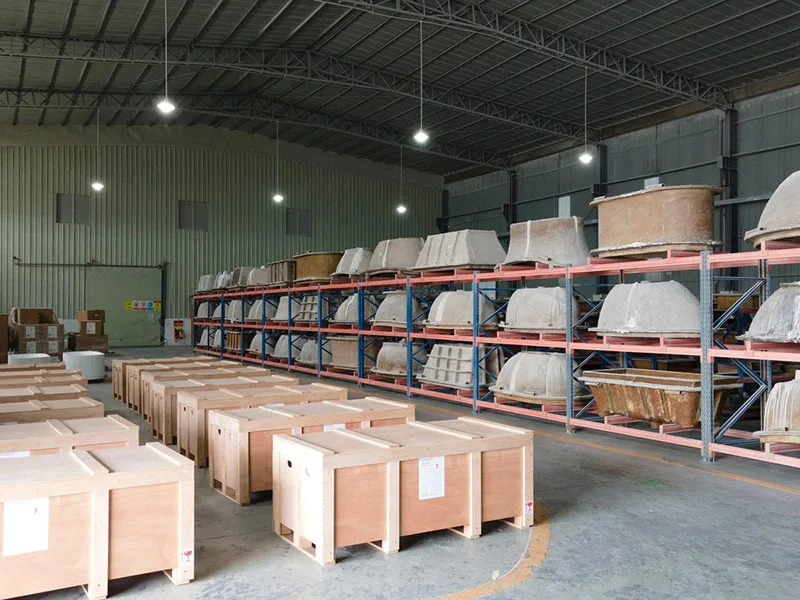
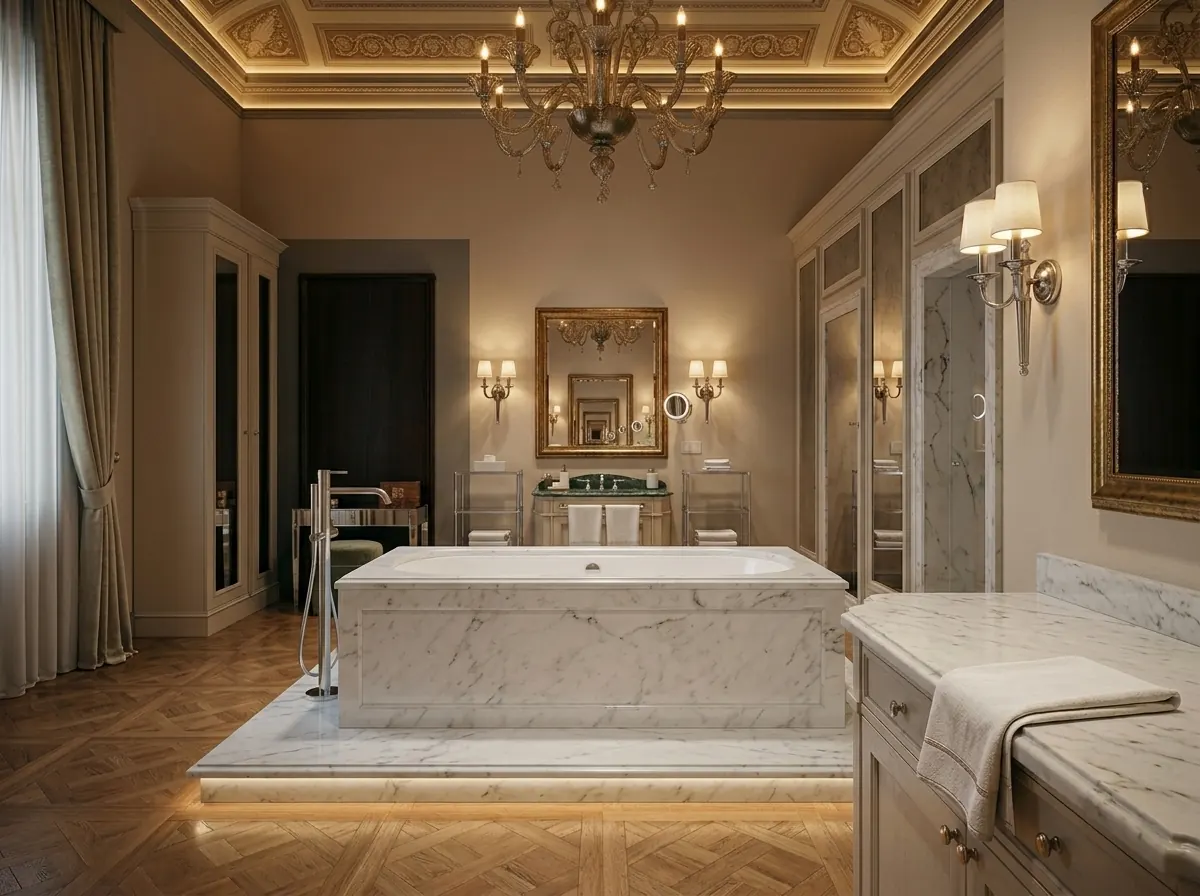
Standard bathtub sizes work for standard bathroom layouts. But bathrooms in high-end residential projects, renovations of older homes, and hospitality suites frequently have irregular dimensions or design briefs that demand something outside catalogue ranges. A manufacturer that offers true custom sizing — not just a selection of preset SKUs — can match exact floor plan dimensions, specify non-standard rim profiles, and accommodate integrated overflow or drain placements that a stock product cannot.
Custom production typically involves a longer lead time. Factor that into your project schedule before committing to a specification.
6. Manufacturer Credibility and Support
A bathtub is a long-term fixture. Evaluate the manufacturer's experience in the category, their ability to provide material data if you ask for it, and how they handle post-installation support. A company that supplies both residential and hospitality markets — where durability and consistency are non-negotiable — has likely refined its production process more rigorously than one serving only one segment.
Look for transparent communication about lead times, shipping, and installation requirements. Vague answers to direct questions are a signal worth taking seriously.
Putting It Together
The buying decision follows a clear sequence: confirm your installation type and rough-in constraints first, then define the size envelope, then evaluate material quality and finish options within that frame. If your project has non-standard requirements — unusual dimensions, a specific color match, or a design profile you cannot find in a catalogue — a custom solid surface bathtub is the direct solution rather than a compromise.
If you have a project in progress or a specification to develop, request a quote from OLEARY to discuss options against your actual requirements.