

Solid Surface vs. Acrylic Bathtubs: Which Lasts Longer?
Solid surface bathtubs outlast acrylic in long-term appearance because their color and material run through the full thickness of the tub wall — not just a surface coating. Acrylic relies on a thin top layer for its color and gloss; once that layer is scratched or cracked, the damage is difficult to repair invisibly. Solid surface can be buffed back to its original finish.
How Each Material Is Built
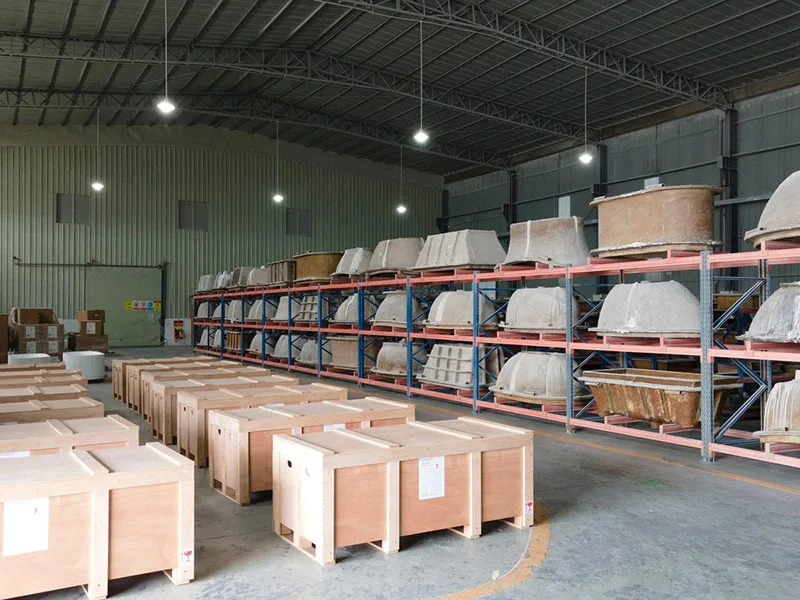
Understanding durability starts with understanding construction. Acrylic bathtubs are made from thermoformed sheets — thin acrylic formed over a mold and backed with fiberglass for structural support. The visual finish, including the color and gloss, lives entirely in that outer acrylic layer. The fiberglass underneath is structural, not decorative.
Solid surface material works differently. It is cast from a mineral-resin composite in a single pour, so the same color and texture extend through the entire wall thickness — from the visible surface all the way through. There is no backing layer with a different composition beneath.
This structural difference is the root of every durability and repairability gap between the two materials.

Scratch and Impact Resistance in Daily Use
Solid surface is harder than acrylic and holds up better against the kind of contact that happens during routine cleaning — hard objects set down on the rim, cleaning tools, toiletry containers. Acrylic, being a softer material, marks more readily from these everyday interactions.
Neither material is indestructible, but the consequence of a scratch differs significantly between them:
- Acrylic: The color and gloss sit in a thin surface layer. A deep scratch or crack breaks through that layer and exposes the fiberglass beneath, creating a visible structural difference that is difficult to refinish without a noticeable patch.
- Solid surface: Because the color runs through the full thickness, a scratch is simply removing some of the same material that lies below it. Light scratches can be buffed out, and the tub returns to its original appearance without a patch or color mismatch.
Repairability: The Real Longevity Factor
When homeowners ask whether solid surface will outlast acrylic, repairability is often the deciding factor over a long ownership period. A bathtub that can be restored to its original condition after surface damage has a functional lifespan that a non-restorable tub simply cannot match.
Repairs on acrylic tubs typically leave visible color differences. Matching the original gloss and tint after sanding or patching is difficult because the repair compound sits on top of — or within — a layer that has already been compromised. The result is usually detectable on close inspection, and often visible from a normal viewing distance.
With a custom solid surface bathtub, the same buffing process that addresses a light scratch also works on deeper damage: the material being restored is chemically and visually identical to the material surrounding it. After refinishing, the color across the original and the restored area remains consistent.
This is what the phrase "full-thickness color" means in practice — it is not a marketing description, it is a repair advantage with a direct impact on how long the tub looks new.
Is the Price Difference Worth It?
Acrylic bathtubs carry a lower upfront cost, and for a short-term installation or a budget-constrained project, that is a legitimate consideration. However, the total cost over the life of a bathroom includes more than the purchase price.
An acrylic tub that develops visible surface damage presents two choices: live with the cosmetic decline, or replace the tub. Refinishing services for acrylic exist, but results vary and the work is not always invisible. A solid surface tub that sustains comparable surface damage can be addressed with buffing, restoring the original finish without replacement.
For homeowners making a long-term investment in a bathroom — particularly in a primary bath, a master suite, or a hospitality setting where appearance is held to a higher standard — the durability and repairability of solid surface represent real value beyond the sticker price. Whether that value justifies the difference depends on how long you intend to keep the tub looking its best.
Choosing the Right Form for Your Bathroom
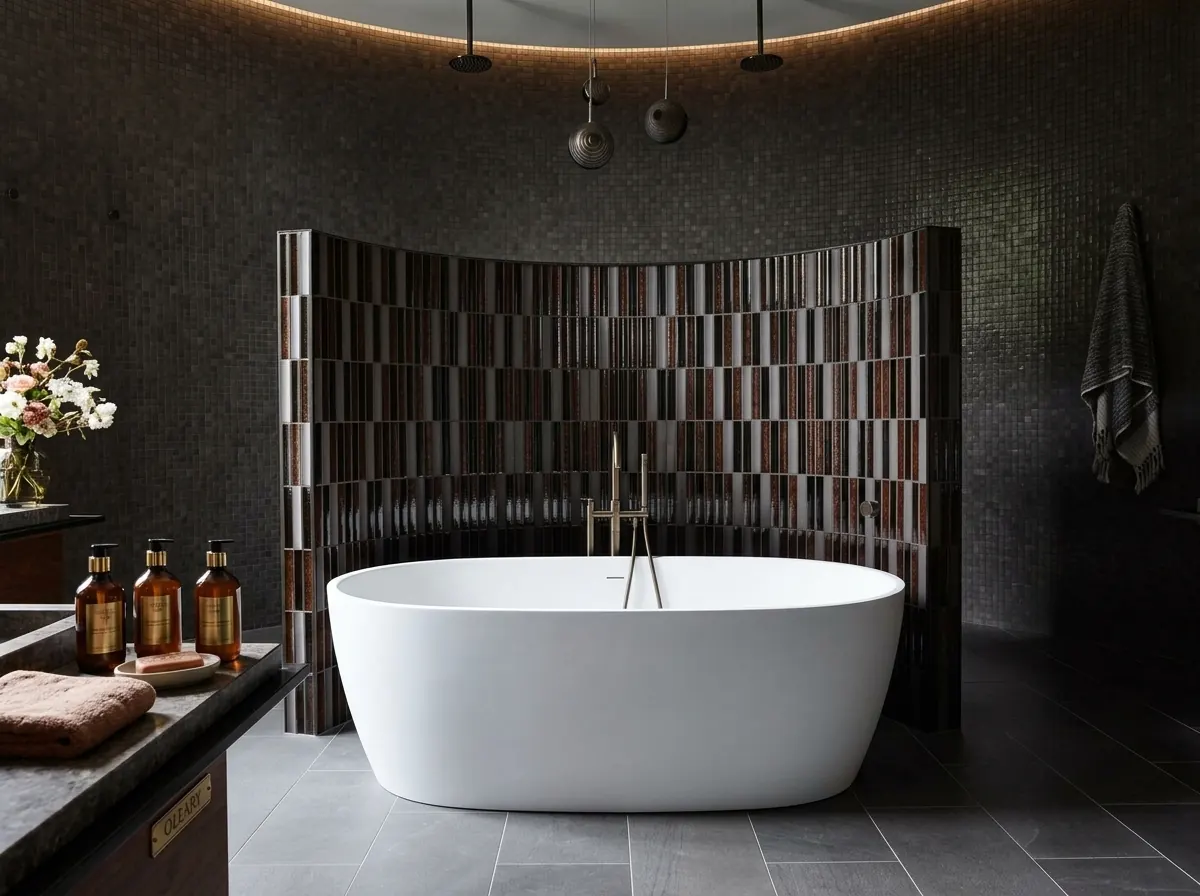
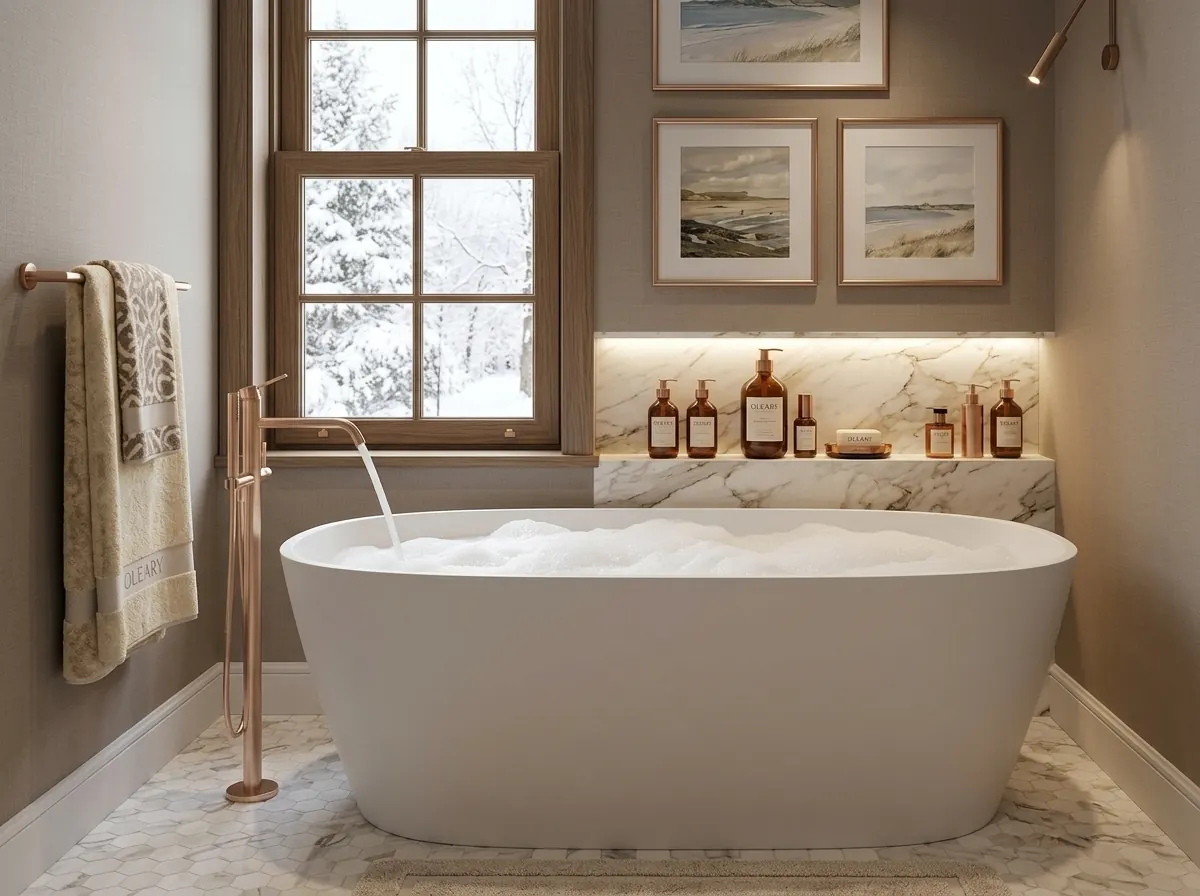
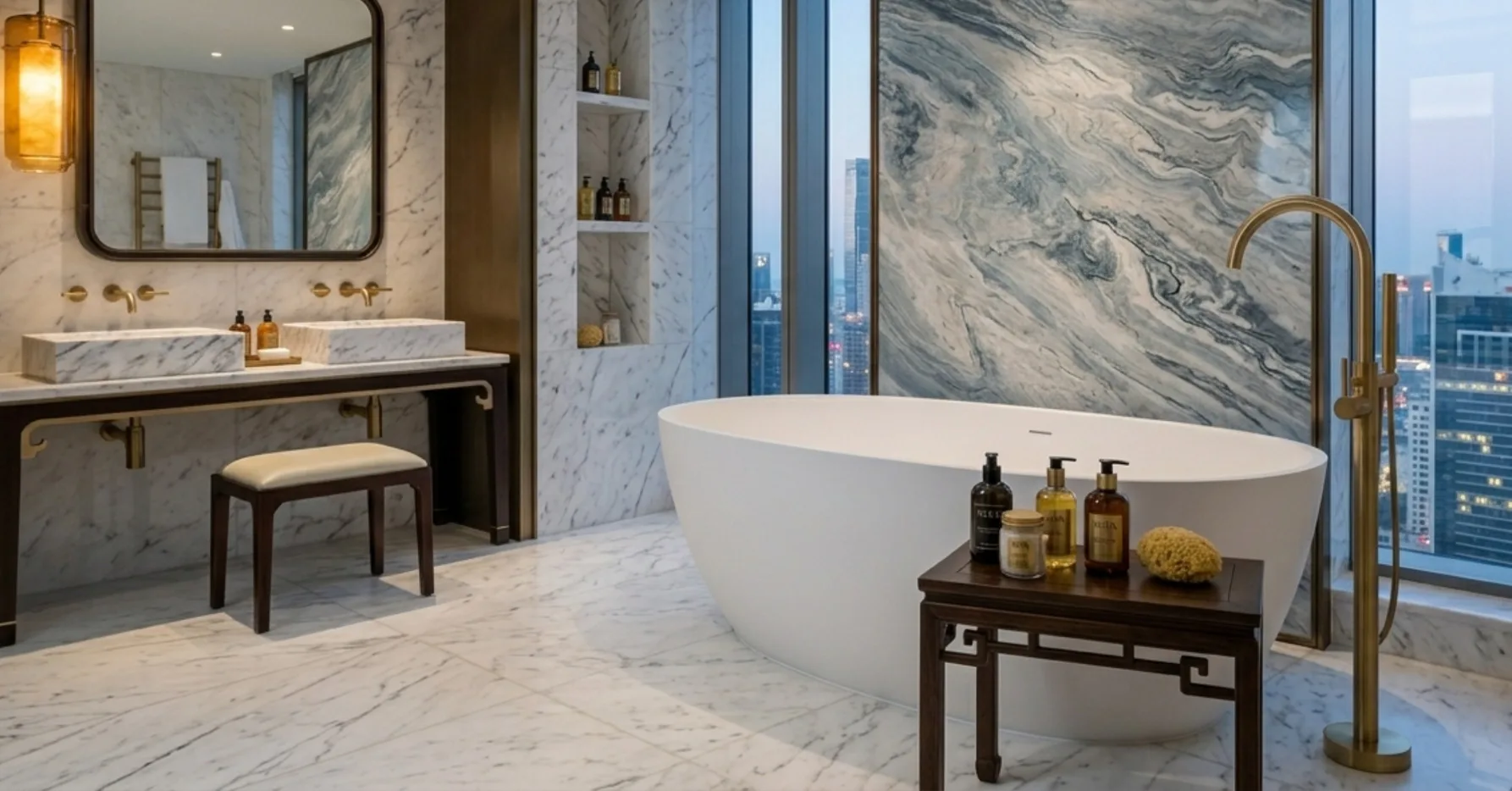
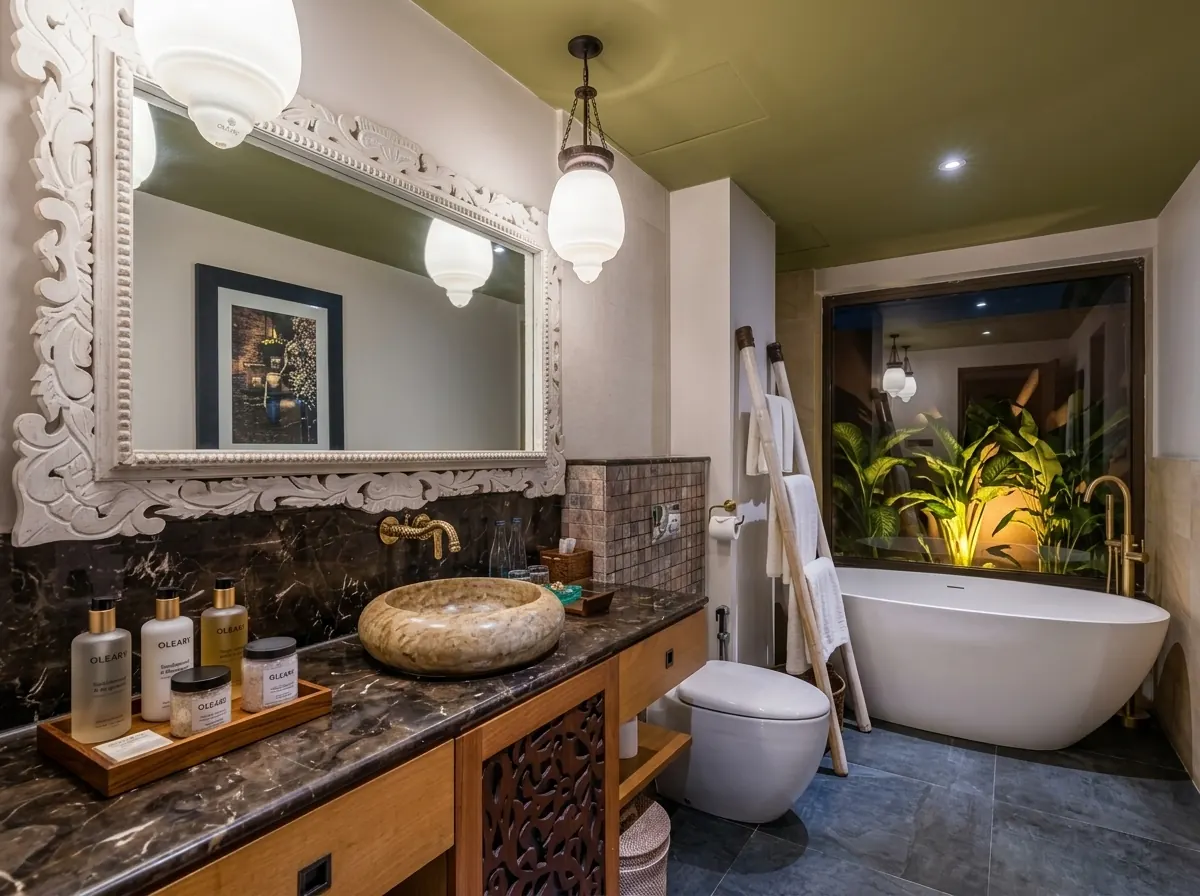
Durability applies equally across tub configurations. A freestanding bathtub in solid surface will retain its appearance through years of use and remain refinishable throughout. The same holds for a built-in / alcove bathtub cast in solid surface — the material behaves the same regardless of the installation style.
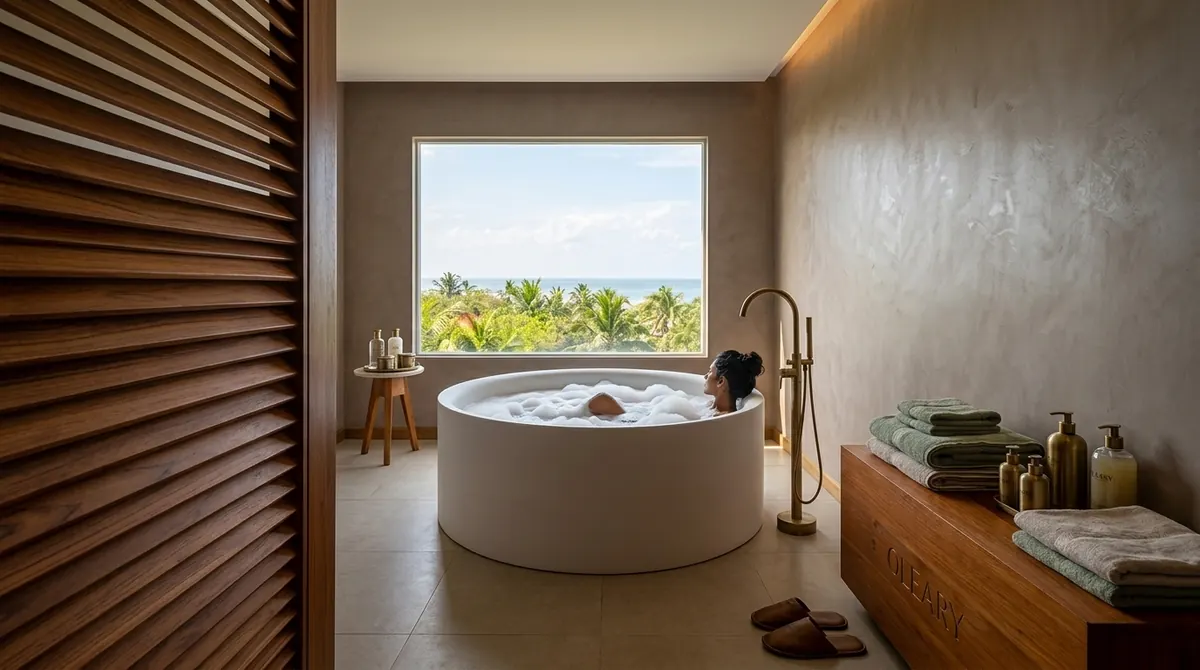
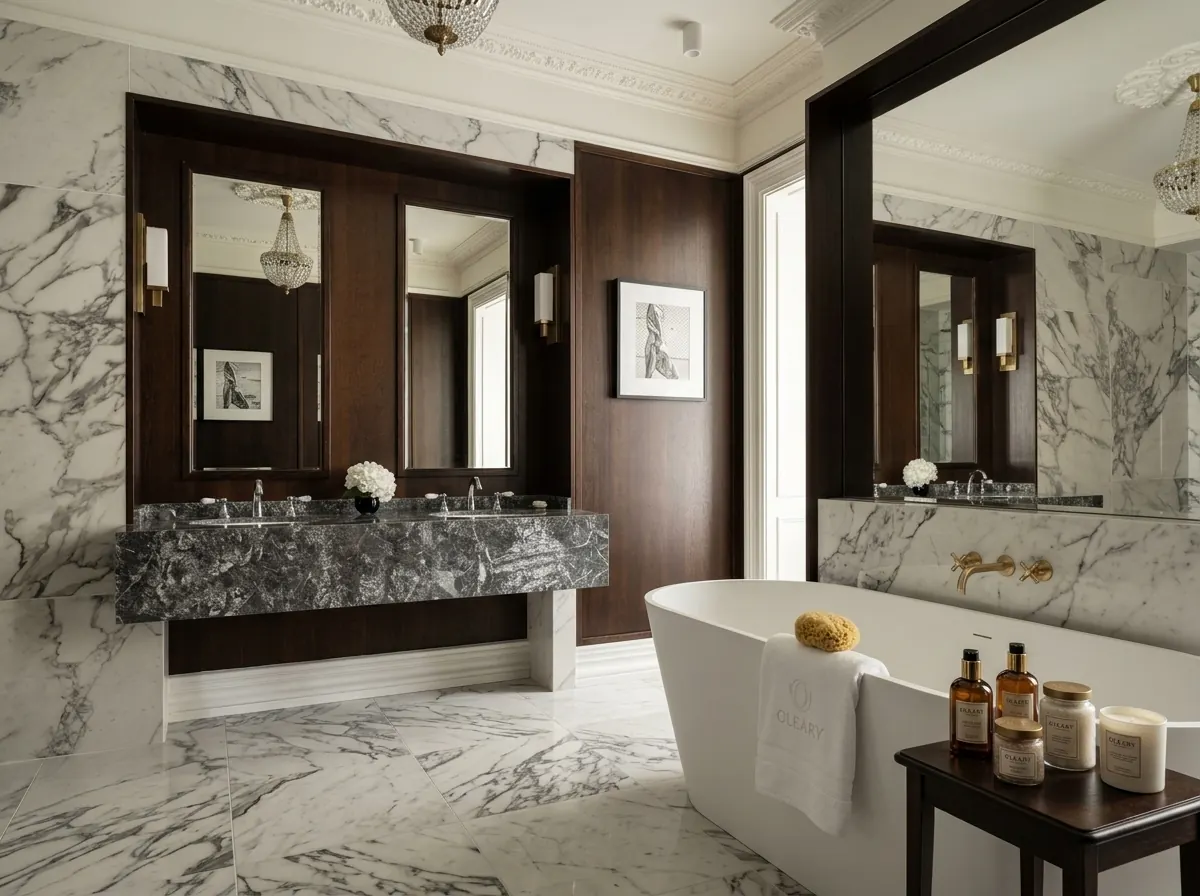
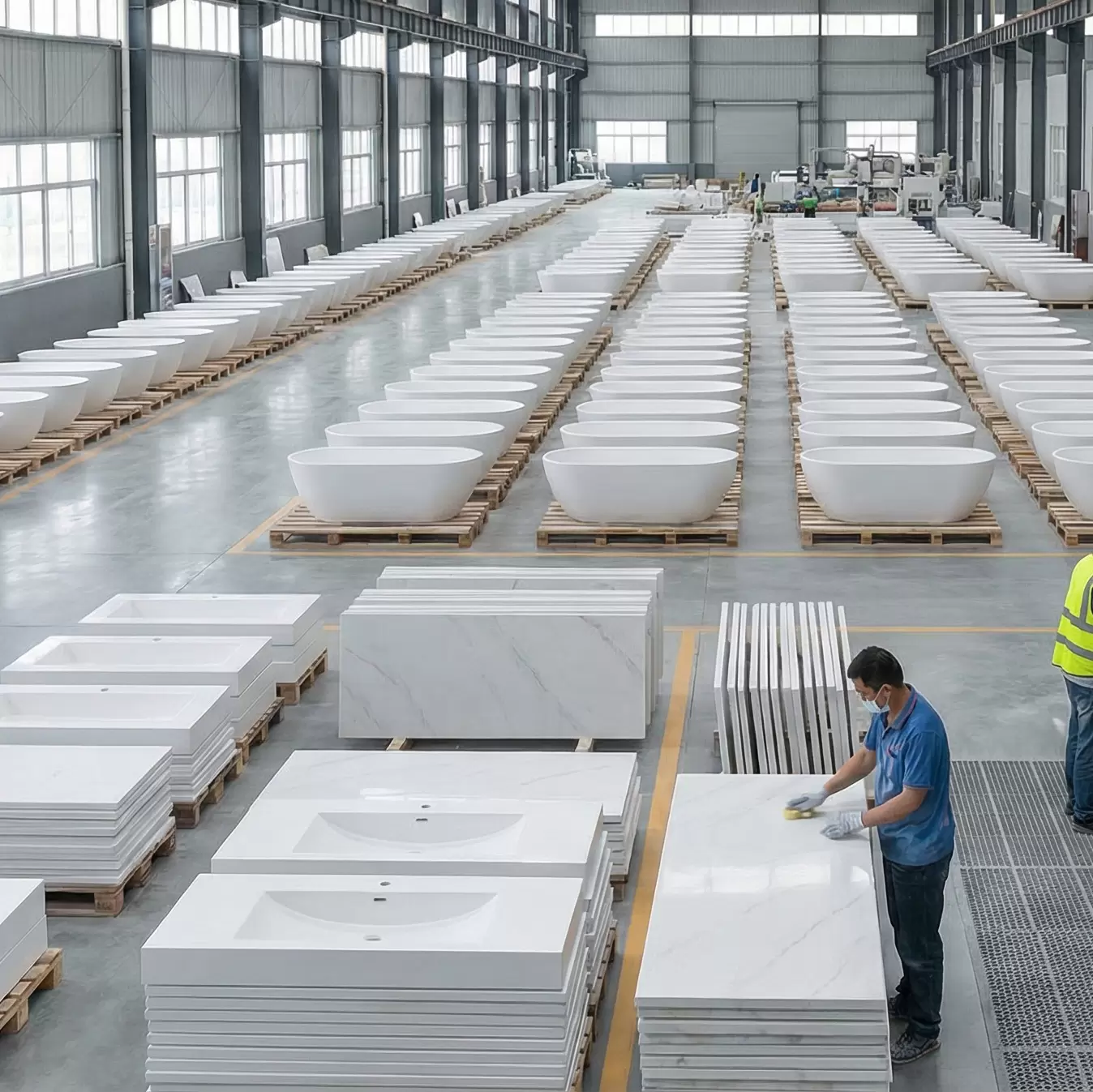
At OLEARY, solid surface bathtubs are cast to specification for both residential and hospitality projects, which means the dimensions, color, and finish are determined by the installation rather than by what a production line offers. Custom casting also means there are no seams — another point where acrylic tubs, joined from multiple formed pieces, can develop visible lines or gaps over time.
The Bottom Line
Solid surface outlasts acrylic in appearance because its color and material are full-thickness, not a coated surface layer. When acrylic tubs are damaged, repairs usually show; when solid surface tubs are scratched, the same buffing restores the original finish. For a bathroom where longevity and sustained appearance matter, solid surface is the more durable choice — and one that holds that standard over a significantly longer period of ownership.
If you are weighing options for a new build or renovation, request a quote from OLEARY to see what a custom solid surface bathtub would look like for your project.