



Solid Surface vs. Cultured Marble Bathtubs: Are They the Same Material?
Solid surface and cultured marble are not the same material. Cultured marble is a cast composite of crushed limestone in polyester resin with a gel-coat surface finish, while solid surface uses finer mineral fillers dispersed throughout an acrylic or modified resin body. That structural difference — a surface coating versus a through-body composition — determines how each material ages, repairs, and performs over time.
What Is Cultured Marble?
Cultured marble has been a fixture in bathrooms for decades, and it's easy to see why it's sometimes confused with newer solid materials. The manufacturing process combines crushed limestone with polyester resin, which is cast into a mold. Once cured, the exposed surface receives a gel-coat — a thin, pigmented outer layer that provides both the color and the gloss you see in the finished piece.
That gel-coat is what gives cultured marble its clean, smooth appearance. It also defines one of its key limitations: the color and gloss exist only in that thin outer layer. The body of the material beneath it has a different composition, different porosity, and a different appearance.
What Is Solid Surface?
Solid surface takes a fundamentally different approach. Mineral fillers are distributed uniformly throughout an acrylic or modified resin matrix, and the color and pattern are consistent from the top surface all the way through the material's full thickness. There is no separate coating or gel-coat applied afterward.
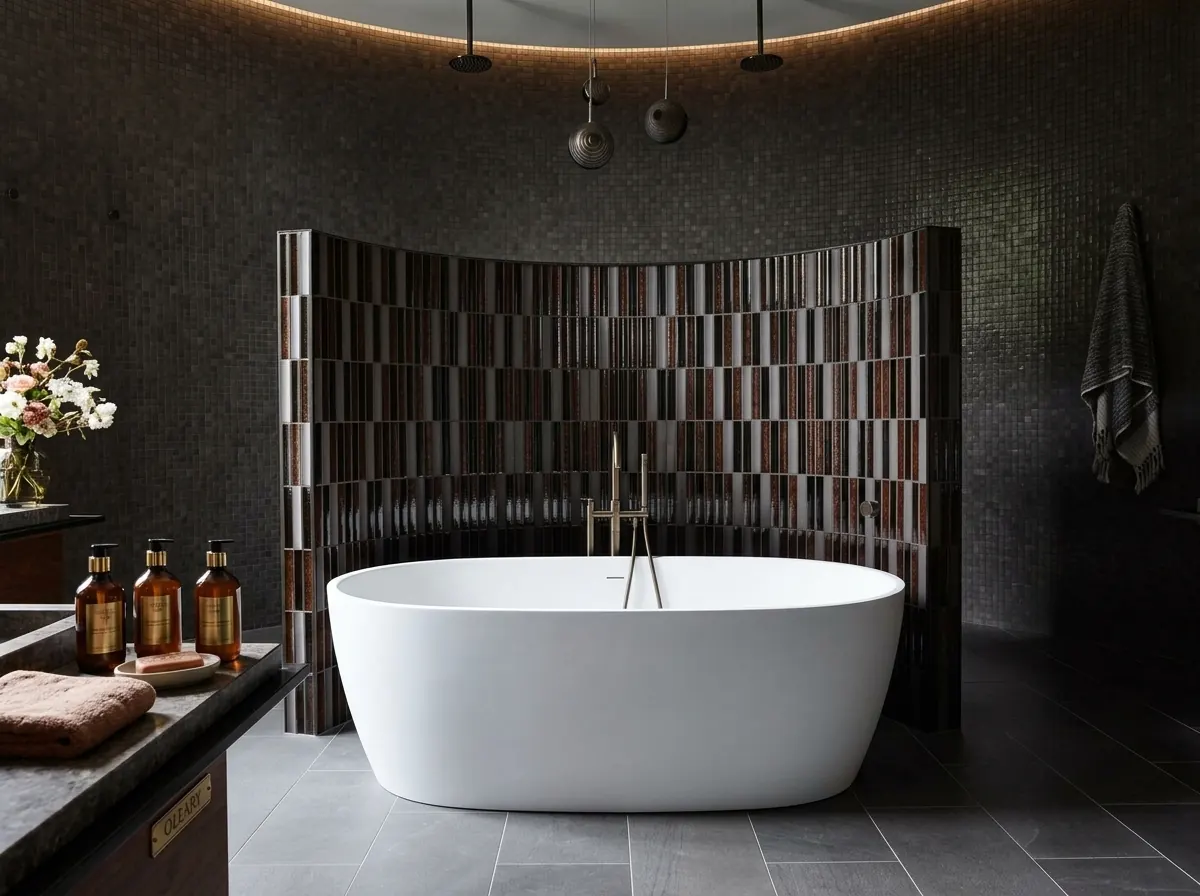
This through-body construction is what sets solid surface apart as a bathtub material — and it directly affects how the material holds up after years of daily use. At OLEARY, our solid surface material is selected specifically for bathroom environments where heat, moisture, and cleaning are ongoing factors.
How Each Material Ages Over Time
This is where the cultured marble vs. solid surface comparison becomes most meaningful for a homeowner making a long-term decision.
Cultured marble's color and gloss live in a thin gel-coat, which can wear through over decades of use, exposing the more porous body underneath. Once that happens, the tub takes on a dull, uneven appearance that is difficult to address. You cannot simply sand back a gel-coat and restore it to its original state the way you can with solid surface.
Solid surface, by contrast, can be sanded back to its original appearance. Because the color runs through the full thickness, light surface abrasion, minor scratches, or dull spots can be addressed with fine-grit sanding and polishing — no special coatings required, no need to refinish the entire piece.
To put it plainly: solid surface and cultured marble look similar at first glance, but solid surface's full-thickness color makes it far more repairable when the surface eventually shows wear.
Chipping and Staining: Which Material Holds Up Better?
Both materials are more chip-resistant than fired ceramics or porcelain, but the staining comparison is more nuanced.
Hairline cracks in cultured marble's surface gel-coat trap grime in wet environments. Once the gel-coat is compromised — whether from impact, abrasion, or age — moisture and cleaning product residue can work into the surface and become difficult to remove. The more porous body underneath the gel-coat is less forgiving once exposed.
Solid surface's non-porous body resists staining better throughout its lifespan. Because there is no separate coating to chip or crack away from the substrate, there is no point of weakness where water and grime can gain a foothold. Routine cleaning keeps a solid surface tub performing the way it did when it was installed.
When gel-coat wears off a cultured marble tub, the body underneath is more porous and harder to refinish; solid surface has no such "different layer" underneath.
Side-by-Side Comparison
| Property | Cultured Marble | Solid Surface |
|---|---|---|
| Color location | Gel-coat surface only | Full thickness throughout |
| Porosity | Non-porous gel-coat over more porous body | Non-porous throughout |
| Scratch and wear repair | Difficult once gel-coat wears through | Can be sanded and restored |
| Stain resistance (long-term) | Decreases as gel-coat ages or cracks | Consistent across lifespan |
| Surface composition | Limestone in polyester resin + gel-coat | Mineral fillers in acrylic or modified resin |
Which One Is Right for Your Bathroom?
Cultured marble remains a widely available option with a familiar look. For homeowners planning a renovation with a shorter time horizon or a tighter budget, it can serve adequately — especially when the gel-coat is in good condition. But for a bathroom designed to last, the material's dependence on that surface coating is a real constraint.
Solid surface is built around the opposite logic: the performance layer and the aesthetic layer are one and the same. That makes it a more practical choice for primary bathrooms, hospitality applications, and any setting where the fixture will see heavy use over many years.
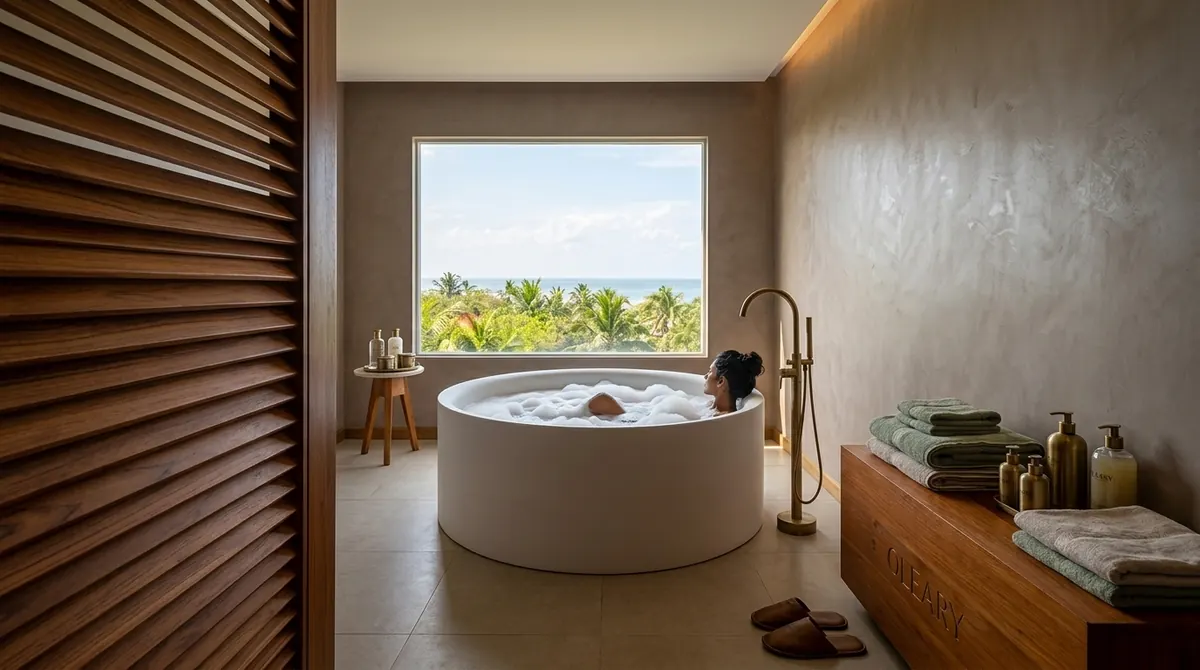
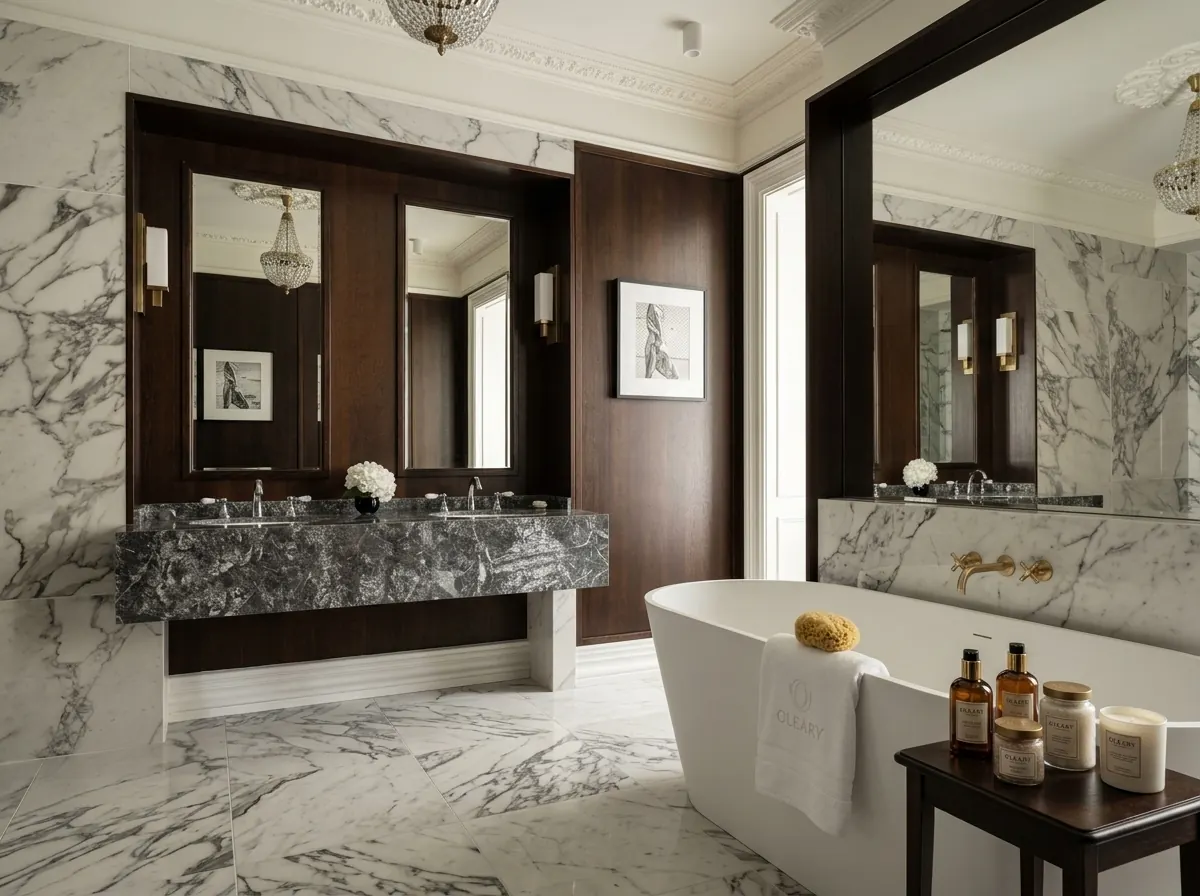
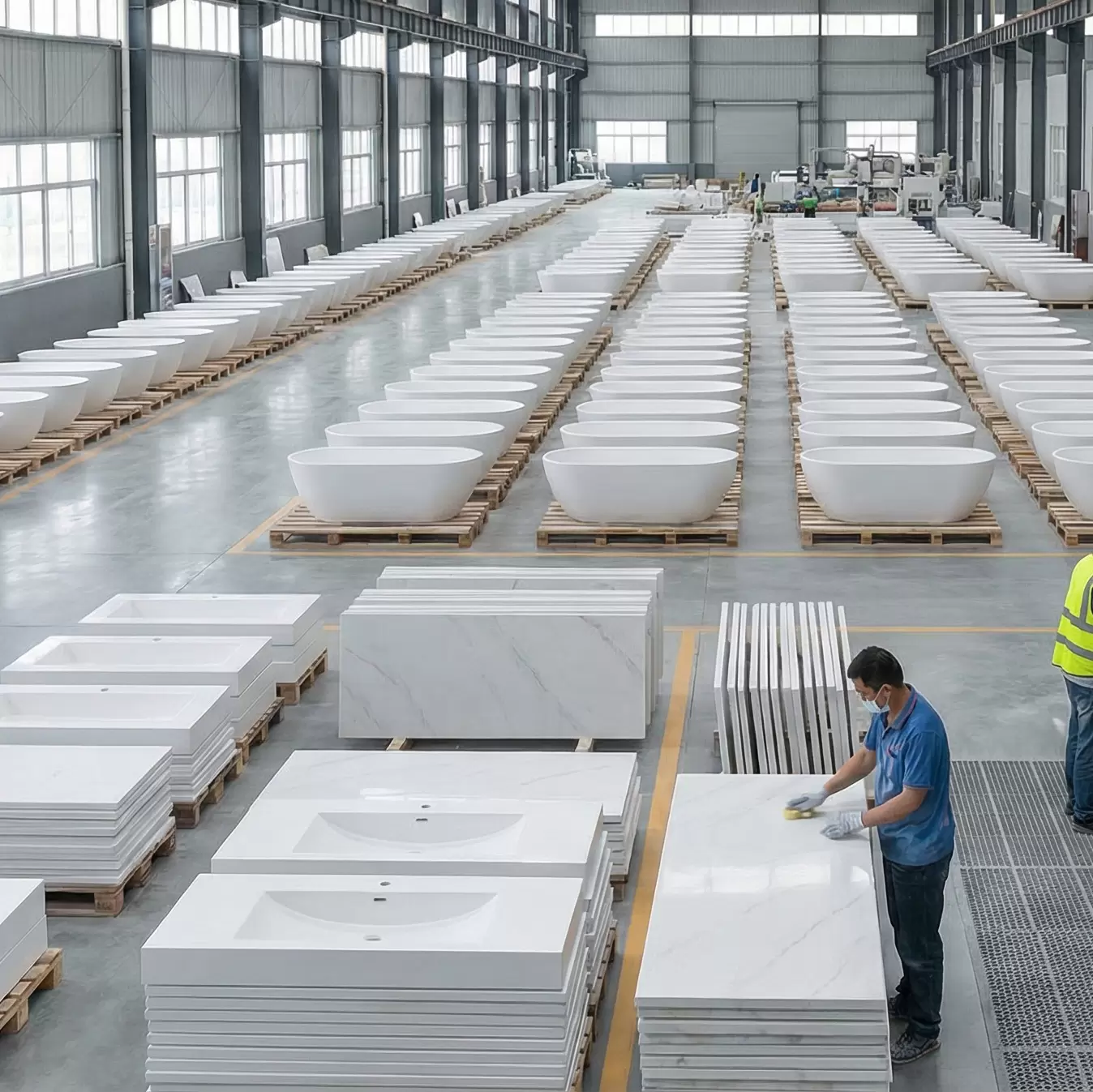
Custom solid surface bathtubs from OLEARY are available in both freestanding and built-in alcove configurations, and each piece is manufactured to specification for residential and hospitality projects. If you're comparing materials for an upcoming project, request a quote and we can walk through what makes sense for your specific installation.