

Solid Surface vs. Acrylic Bathtubs: Which Lasts Longer?
Solid surface bathtubs outlast acrylic ones in most real-world conditions. Solid surface material is cast as a dense, homogeneous slab — color and composition run all the way through — so minor scratches can be sanded out without exposing a base layer. Acrylic is a formed sheet with a finite surface thickness, meaning repeated abrasion eventually compromises the finish permanently.

What Each Material Actually Is
Understanding why one material outlasts the other starts with understanding how each is made.
Solid Surface
Solid surface material is a composite blend of mineral fillers and acrylic or polyester resins, cast under pressure into a uniform, non-porous slab. There is no core, no gel coat, and no laminate — the same material exists from the finished face all the way to the back. This construction is what gives solid surface its reputation for longevity and repairability.
Acrylic
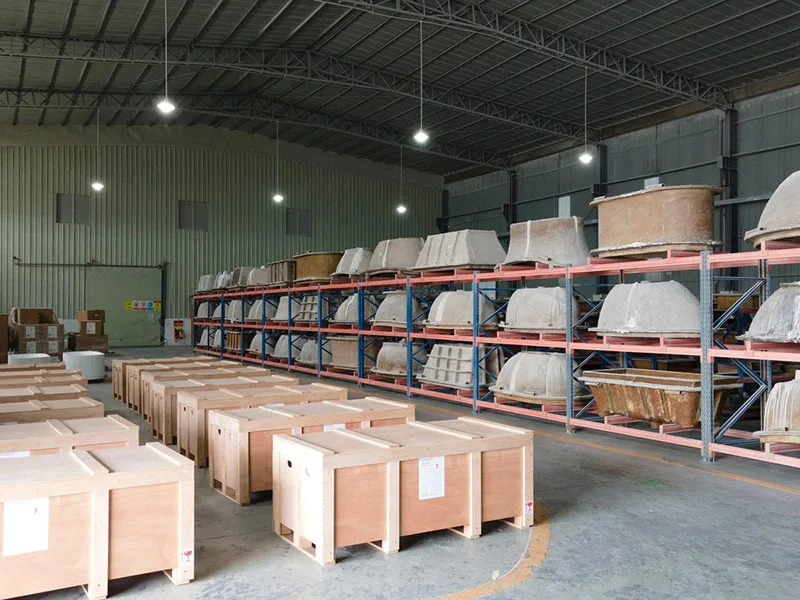
Acrylic bathtubs are manufactured by heating and vacuum-forming a flat sheet of acrylic plastic over a mold. The resulting shell is relatively thin and is reinforced with fiberglass or resin backing for structural support. The visual surface is only as thick as the original sheet — once it wears through, the reinforcement layer beneath is exposed and the tub cannot be economically restored.
How They Age: A Side-by-Side Look
| Characteristic | Solid Surface | Acrylic |
|---|---|---|
| Surface composition | Homogeneous throughout | Thin surface layer over reinforcement |
| Scratch repair | Can be sanded and buffed out | Limited; deep scratches are permanent |
| Stain resistance | Non-porous; resists staining | Can yellow or stain over time |
| Impact resistance | Rigid and dense | Flexible; prone to cracking under stress |
| Chemical sensitivity | Tolerates most household cleaners | Harsh chemicals can craze or dull the surface |
| Long-term appearance | Consistent with proper care | Gradual color shift and surface degradation common |
The Repairability Advantage
One of the most practical reasons solid surface outlasts acrylic is the ability to repair the surface without replacing the tub. Because the color and mineral content go all the way through, a qualified fabricator — or even a careful homeowner — can sand out a scratch, buff away a dull patch, or resurface a localized area so it blends seamlessly with the rest of the tub. The material essentially renews itself.
Acrylic does not offer the same option. The polished surface is a finite resource. Polishing compounds can extend its life, but once the surface layer thins from years of cleaning and use, the only real solutions are refinishing (a temporary fix) or replacement.
Staining and Discoloration Over Time
Acrylic bathtubs are susceptible to yellowing, especially in bathrooms with high UV exposure or where harsh cleaning products are regularly used. The surface can also absorb pigments from bath bombs, dyes, and certain minerals in hard water over time.
Solid surface resists this category of degradation more effectively. Its non-porous structure prevents pigments and minerals from penetrating below the surface. Routine cleaning keeps it looking consistent, and any superficial discoloration that does occur can typically be addressed with light abrasion rather than chemical treatments.
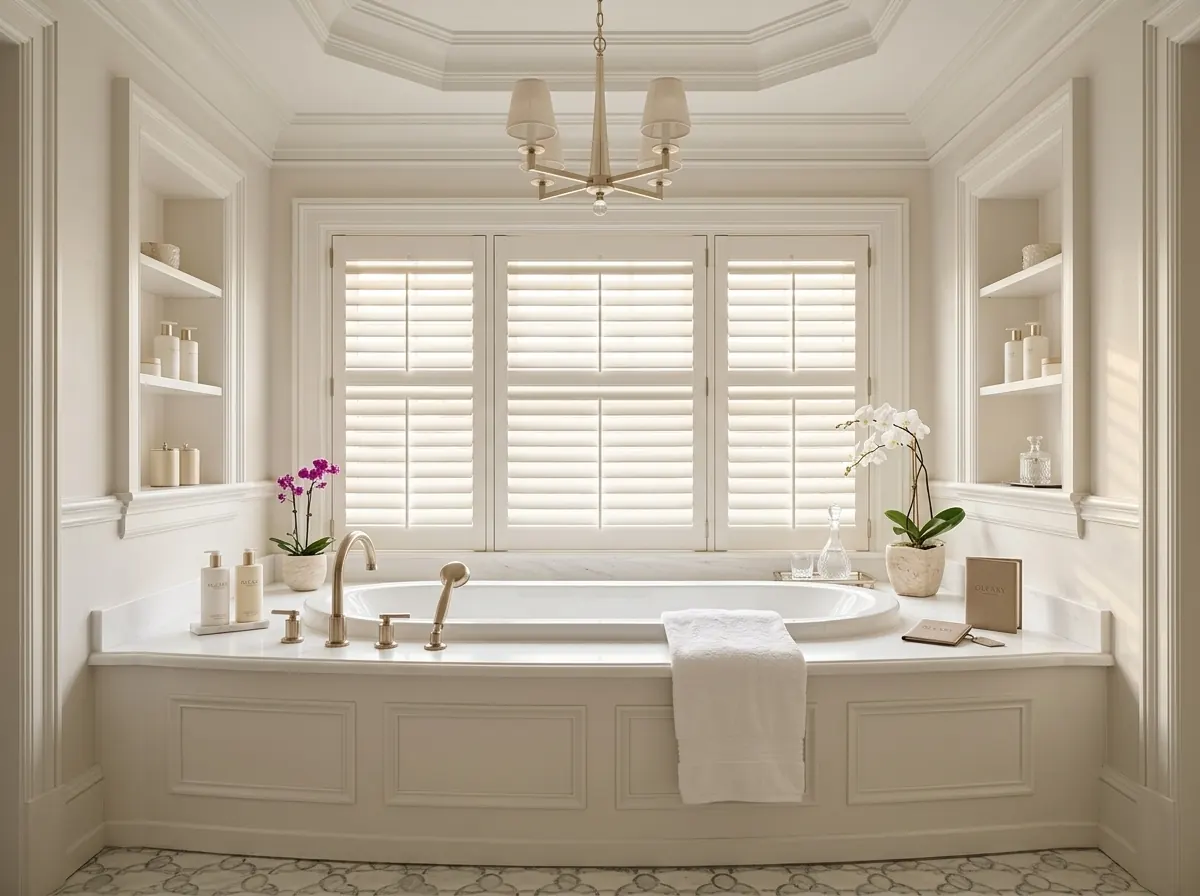
Is a Solid Surface Bathtub Better Than Acrylic for Your Project?
For homeowners planning a long-term installation — a primary bathroom remodel, a luxury ensuite, or a hospitality project where the tub will see heavy daily use — solid surface is the stronger investment. The upfront cost is higher than entry-level acrylic, but the lifespan and repairability offset that difference over time.
Acrylic still has a place in the market. It is lighter, widely available, and works well in applications where budget is the primary constraint and the installation is not expected to last decades. But if the goal is a tub that holds its appearance and structural integrity through years of real use, solid surface is the more durable choice.
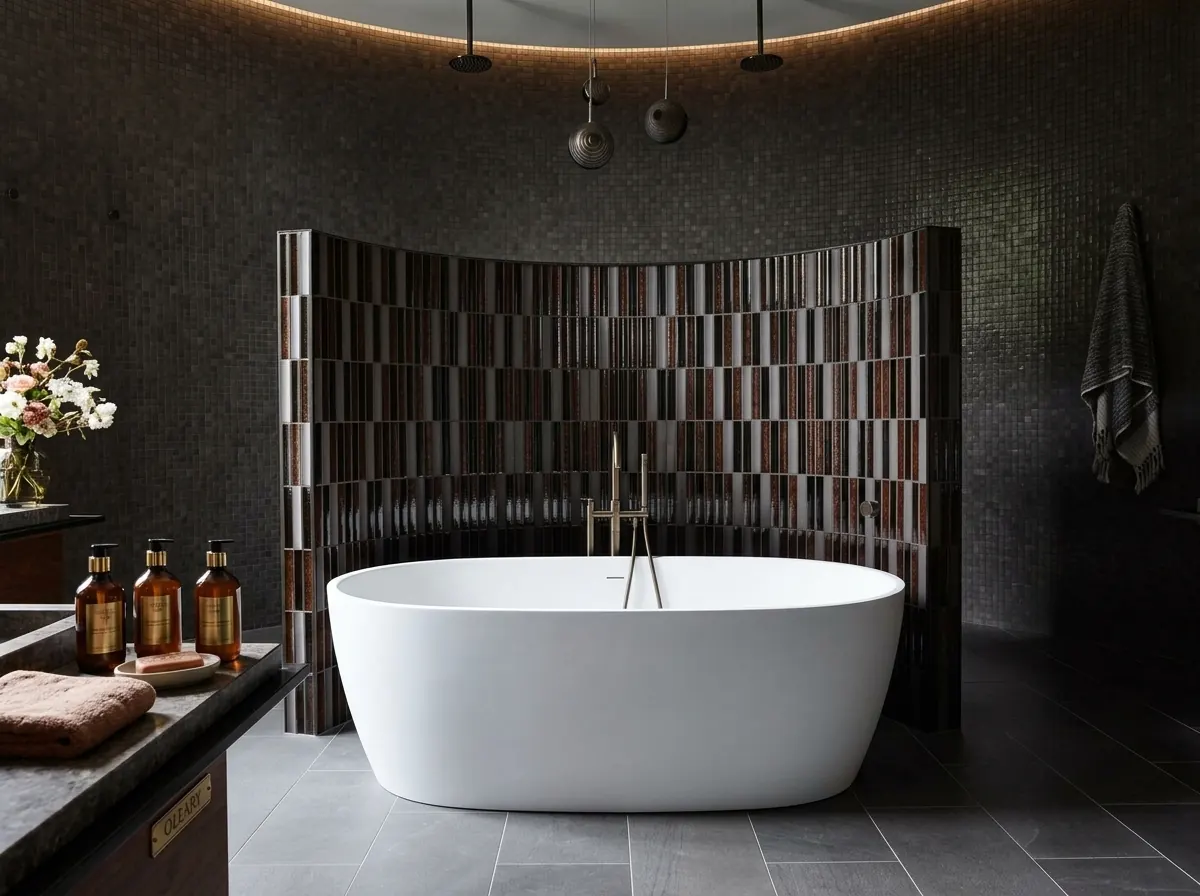
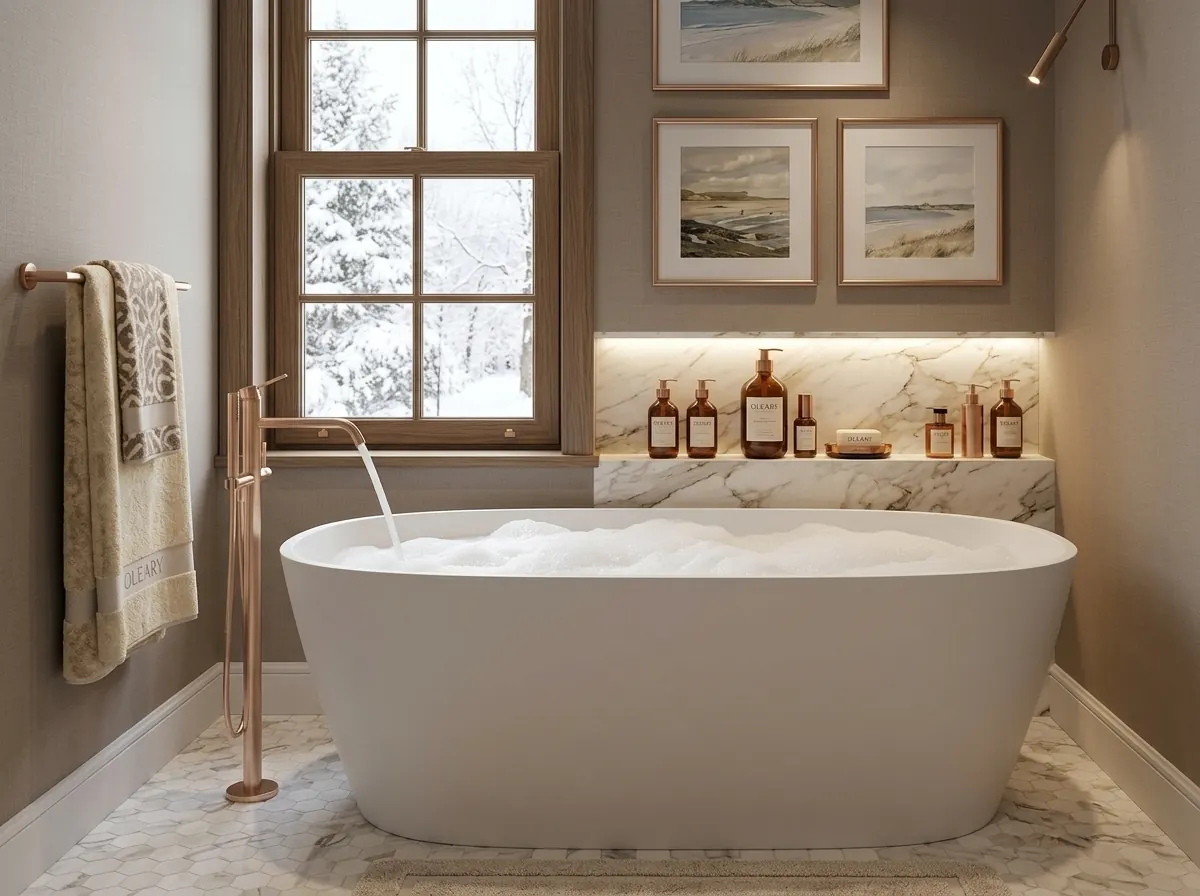
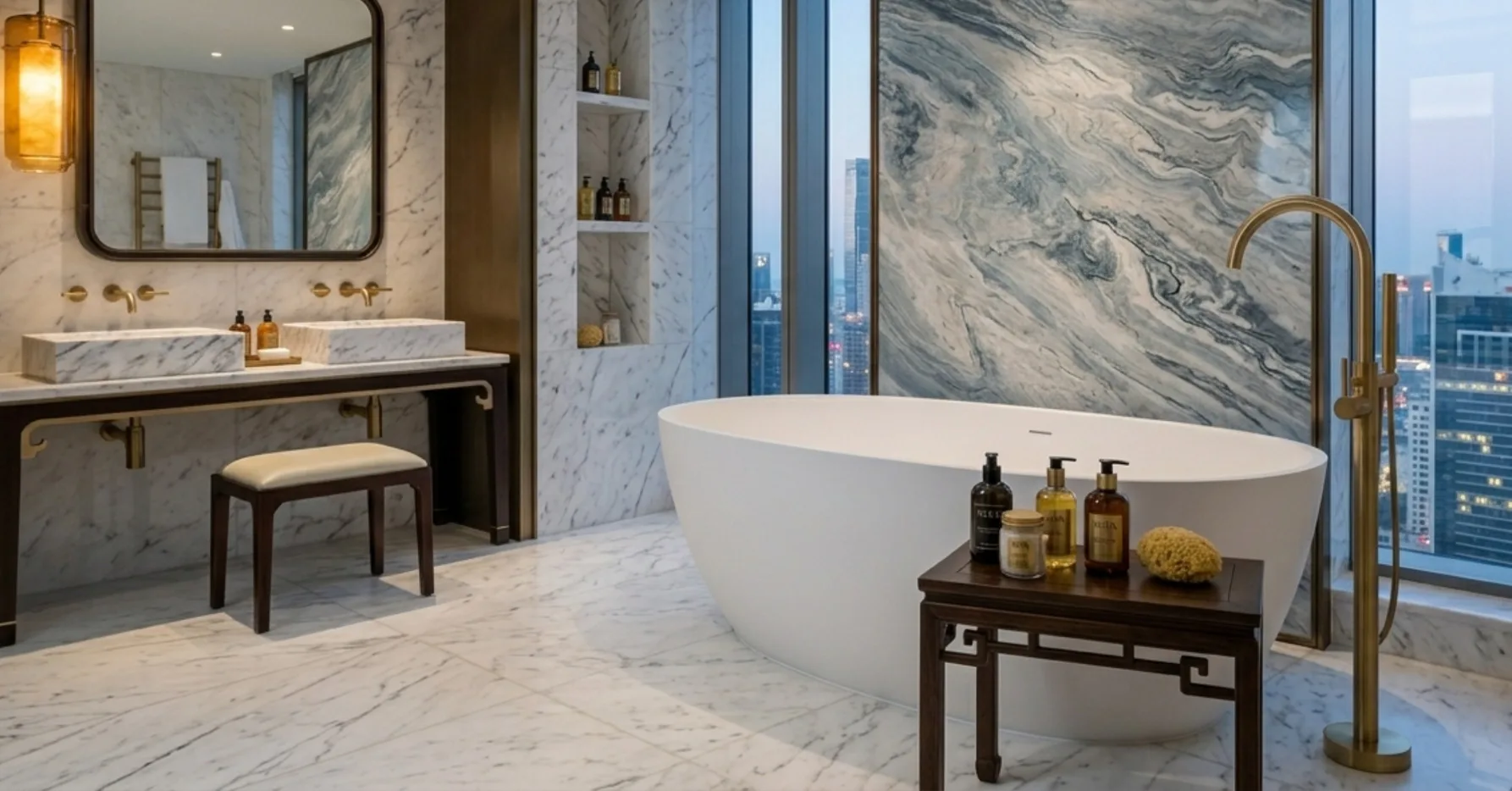
The format of the tub also matters. A freestanding bathtub in solid surface becomes a centerpiece that holds up to scrutiny from every angle — a quality that acrylic, with its visible seams and tendency to flex slightly underfoot, struggles to match at the same level. For built-in and alcove installations, solid surface surrounds and decks integrate cleanly with the tub itself, eliminating grout lines and potential failure points that tile or acrylic panels introduce.
Custom Fabrication and Fit
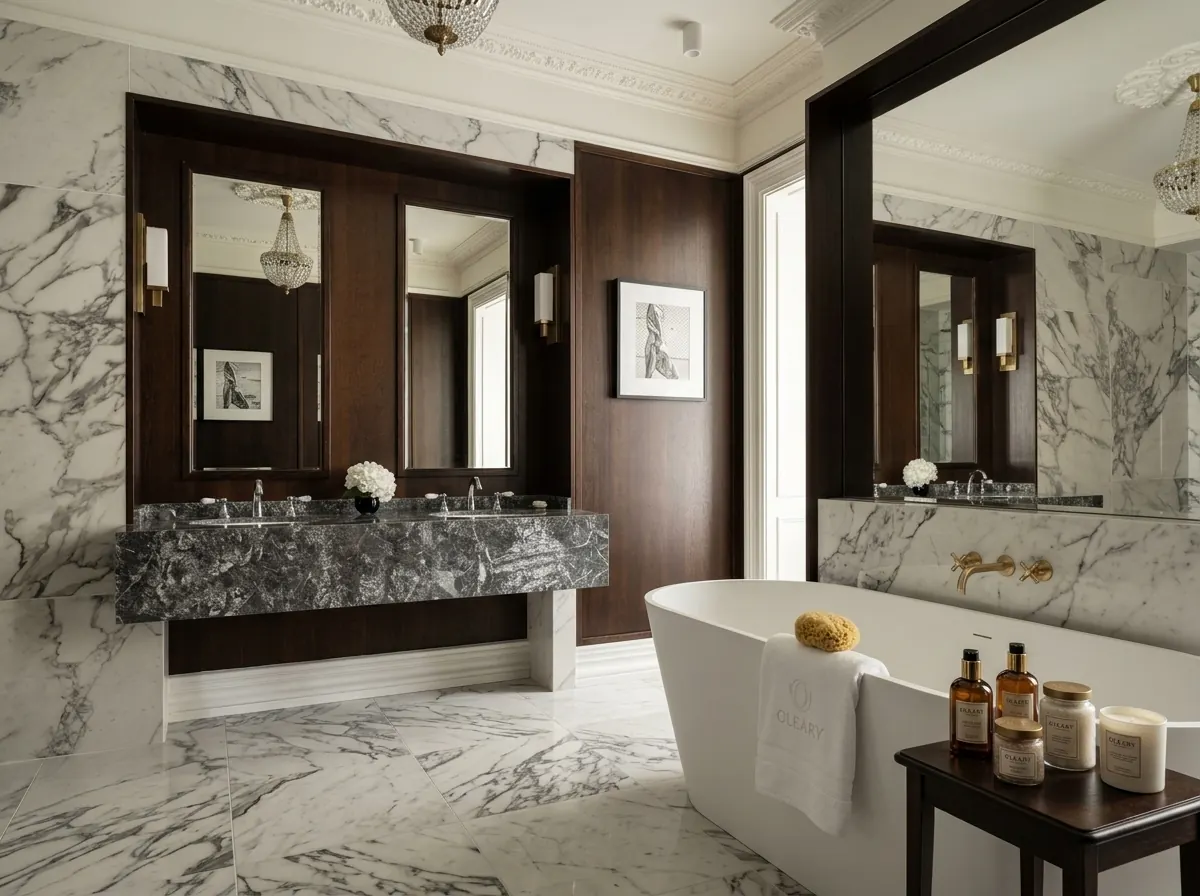
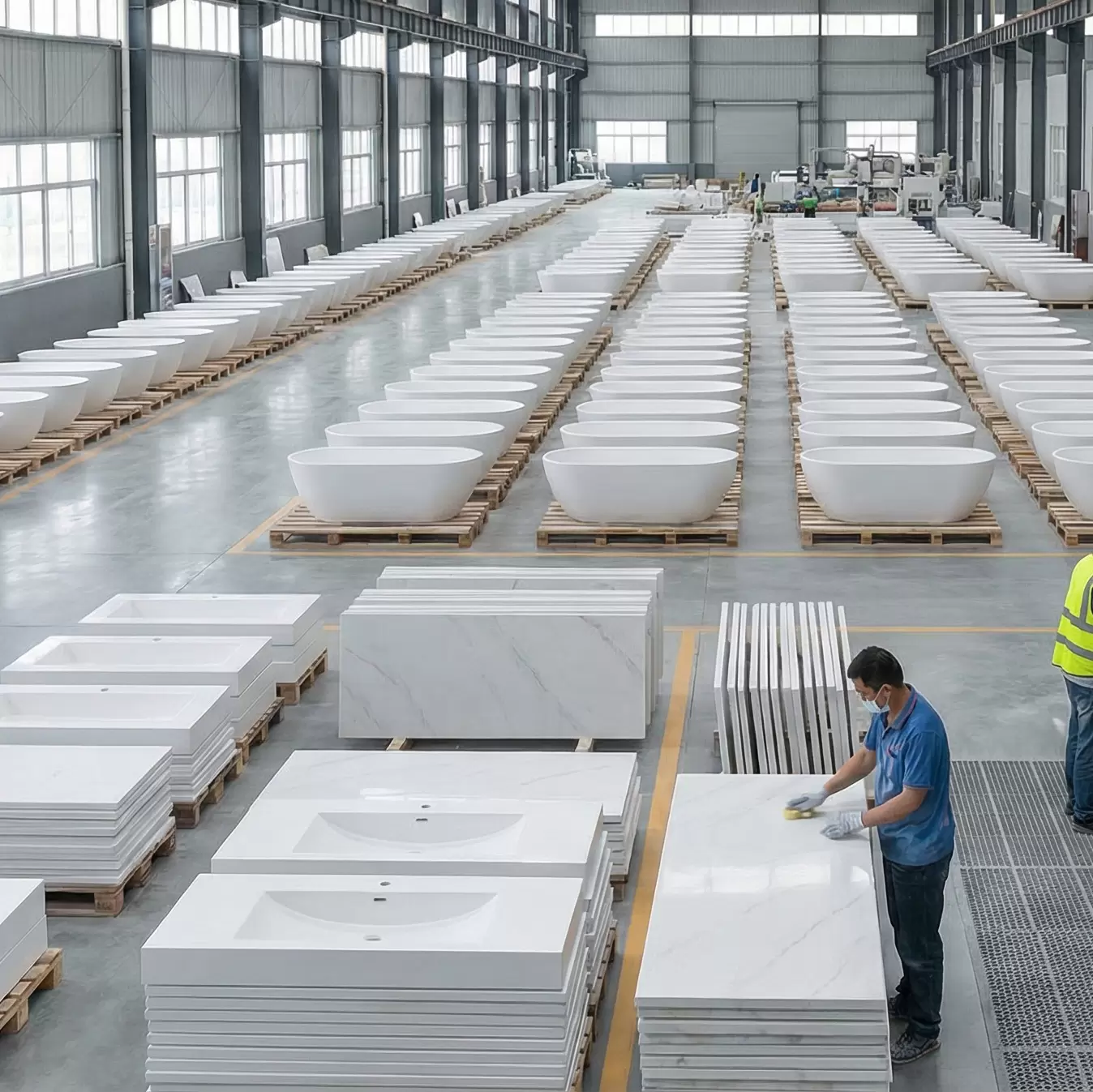
Another dimension where solid surface pulls ahead is customization. Because the material is cast and machinable, it can be fabricated to non-standard dimensions, integrated with deck features, or matched across a full bathroom suite — tub, vanity top, and basin — in a single consistent material and color.
OLEARY manufactures custom solid surface bathtubs to specification for both residential and hospitality projects, which means the tub fits the space precisely rather than the space being designed around a standard-size product. Acrylic is available in a wide range of stock shapes and sizes, but true custom fabrication in acrylic is uncommon and rarely cost-effective.
The Bottom Line
Solid surface bathtubs last longer than acrylic because their through-body construction allows surface damage to be repaired rather than accepted or replaced. They resist staining, hold their color, and maintain structural rigidity over the long term in a way that formed acrylic sheet products cannot match. For any installation where longevity, appearance retention, and low lifecycle cost matter, solid surface is the clear choice.
If you are weighing options for a current project, request a quote from OLEARY to discuss material specifications, dimensions, and finishes for your specific application.