Industry Brief
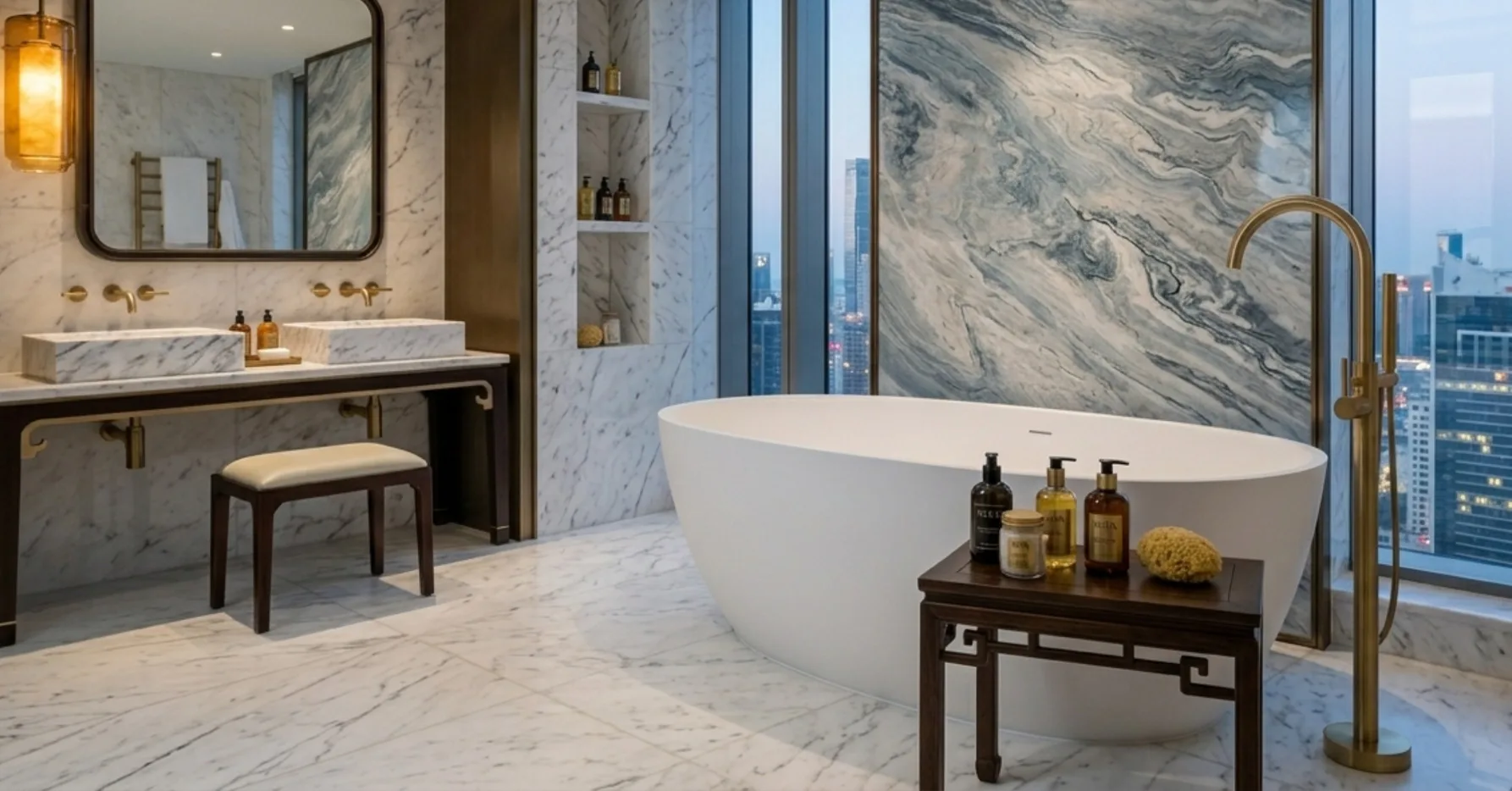
A recent feature in House Beautiful documented how a professional interior designer transformed her New York loft bathroom into a space that reads unmistakably as boutique hotel — clean geometry, a restrained material palette, and a freestanding bathtub as the room's focal point. The before-and-after story resonated well beyond its home-lifestyle audience precisely because it articulated something the hospitality and residential design industries have been circling for years: the line between high-end hotel bathrooms and aspirational private bathrooms has effectively disappeared.
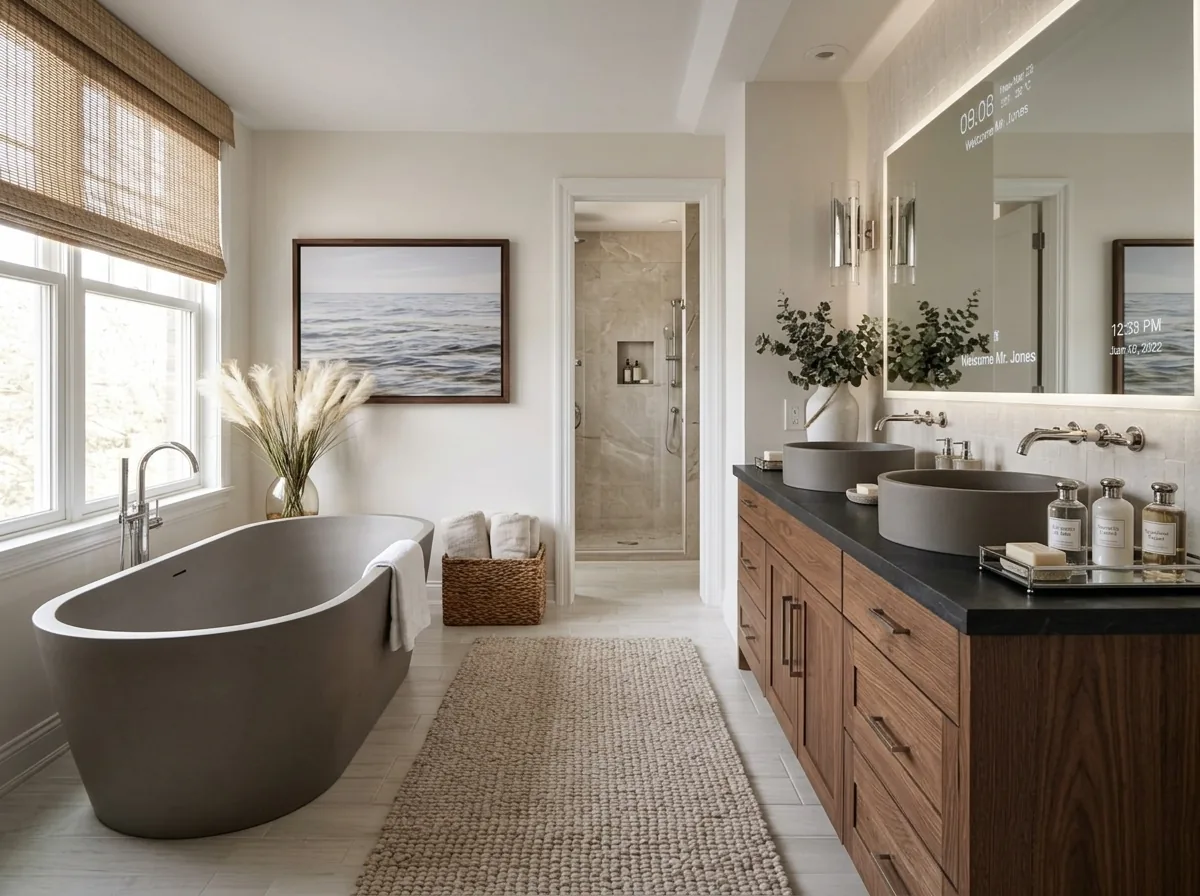
The designer's approach — stripping the space back to essentials, investing in a few high-impact fixtures, and treating every surface as intentional — mirrors the specification logic that drives procurement decisions at independent boutique hotels, lifestyle brands, and upper-upscale property developers. The result was a bathroom that felt curated rather than assembled, with material continuity and a spa-like calm that most chain hotels still struggle to deliver at scale.
This convergence is not accidental. Over the past decade, guests have grown accustomed to photographing hotel bathrooms and sharing them — turning the bathroom from a utility space into a brand statement. Property developers and FF&E buyers have responded by raising their specification standards considerably, demanding fixtures that photograph well, age gracefully, and hold up to daily use without showing wear. That pressure has filtered directly into the residential market, where homeowners and their designers now reference hotel projects as the benchmark for quality and aesthetic ambition. The result is a single, unified demand signal: spa-caliber design, executed with durable, commercially proven materials.
What It Means for the Bathroom & Hospitality Market
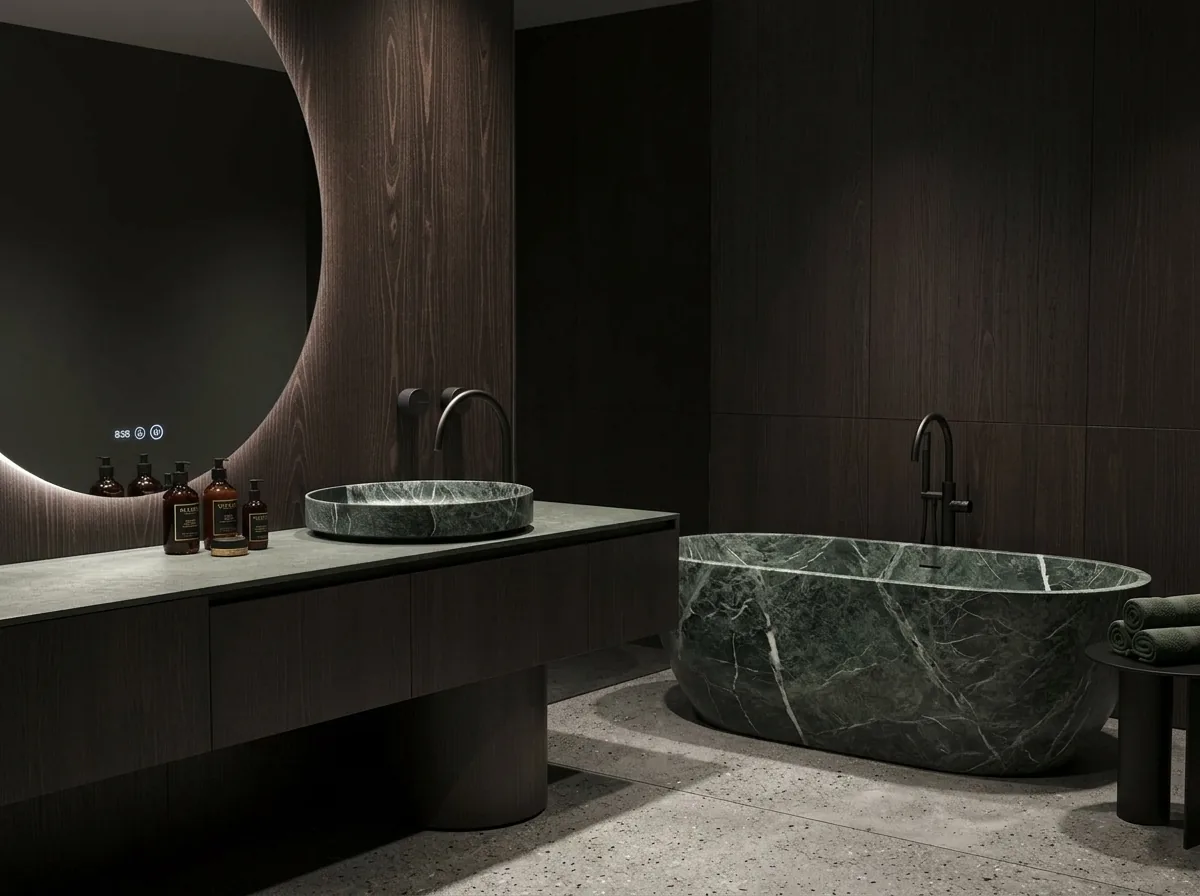
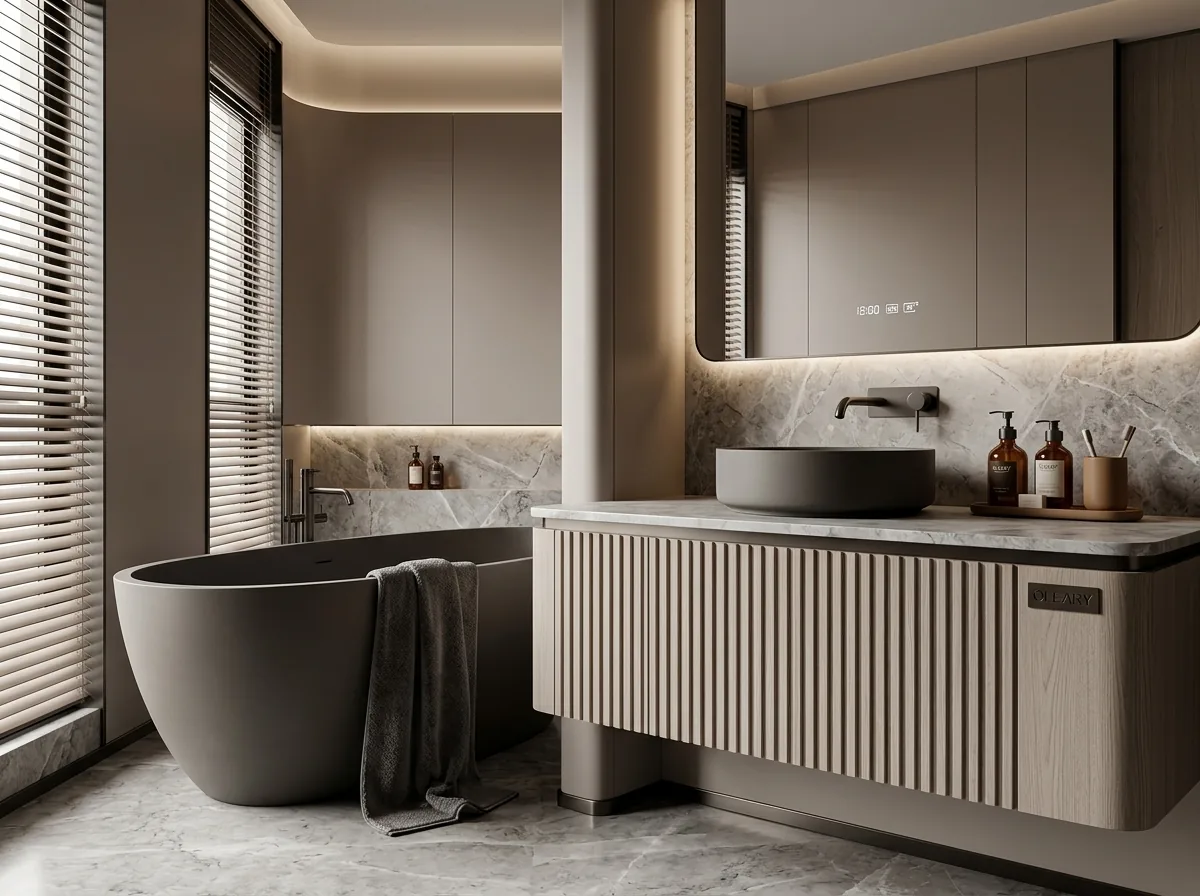
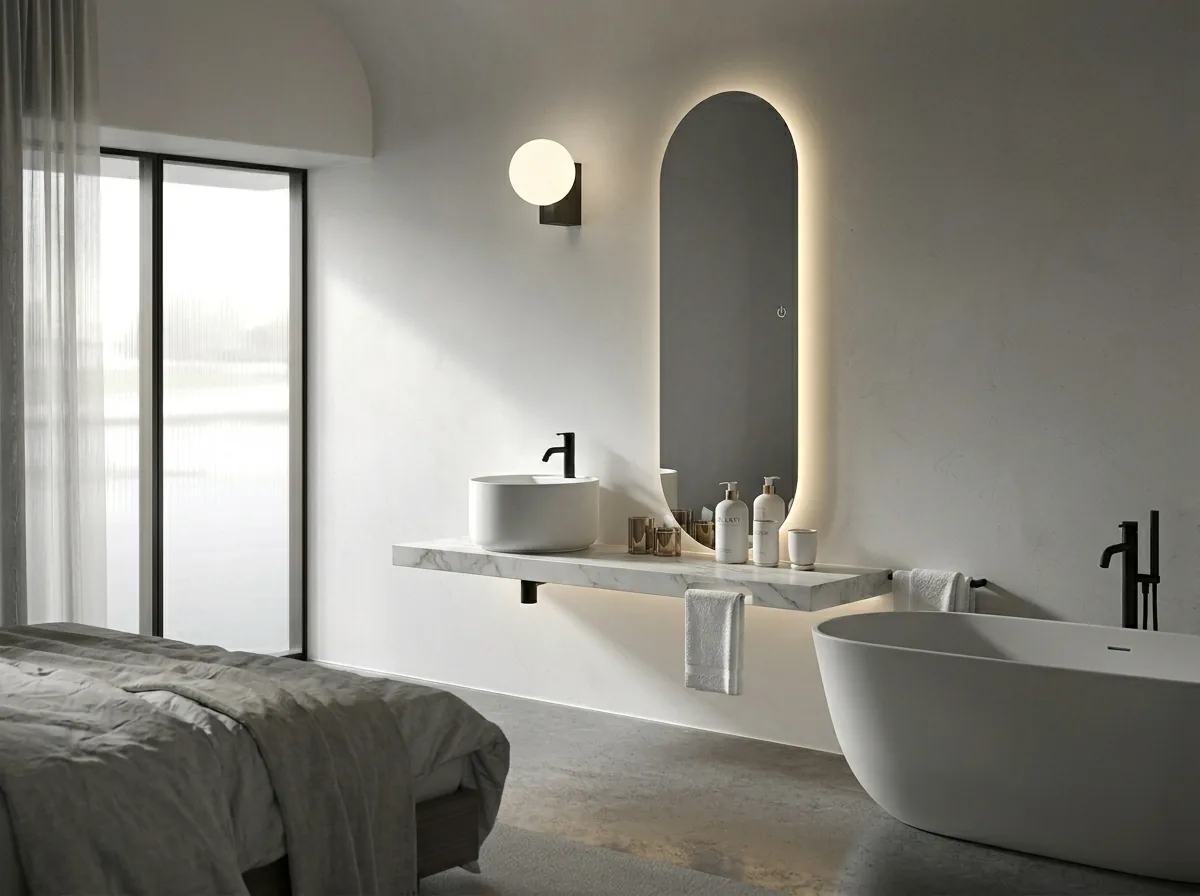
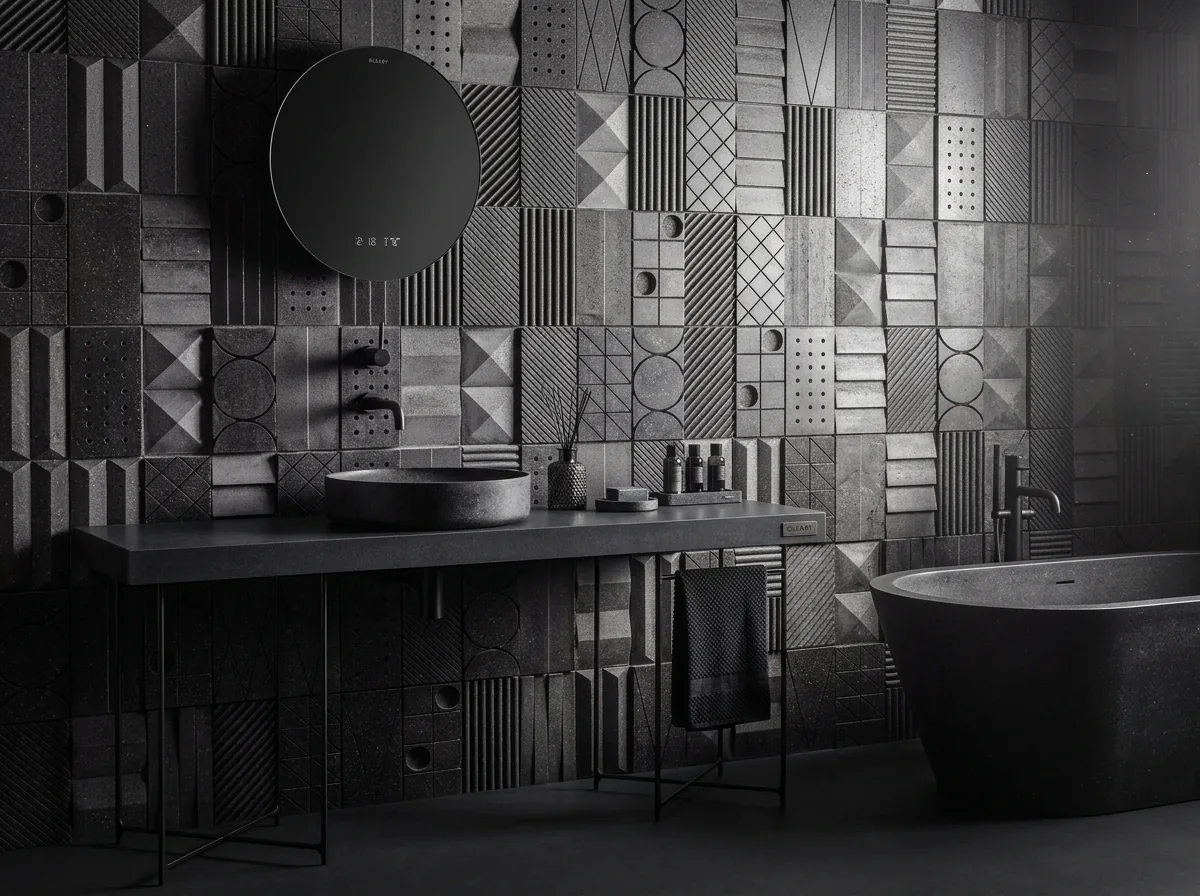
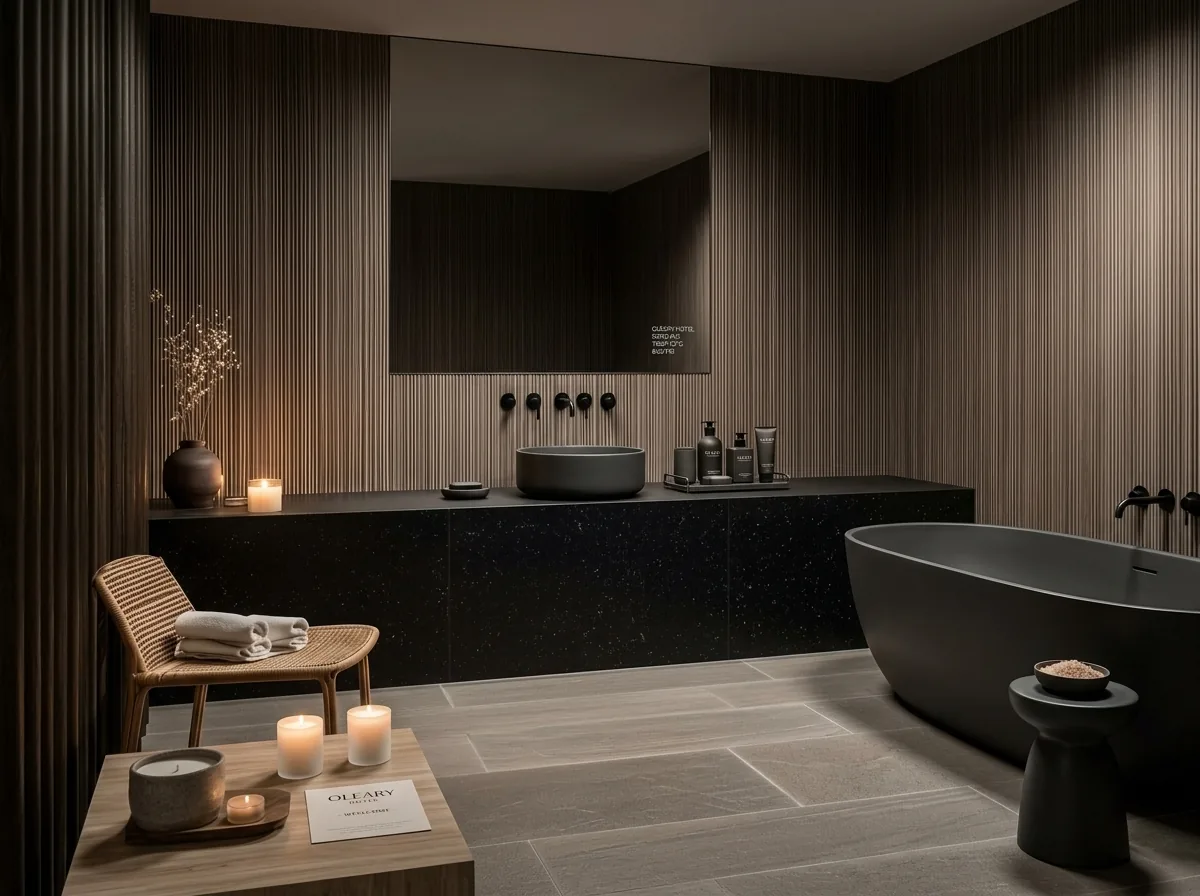
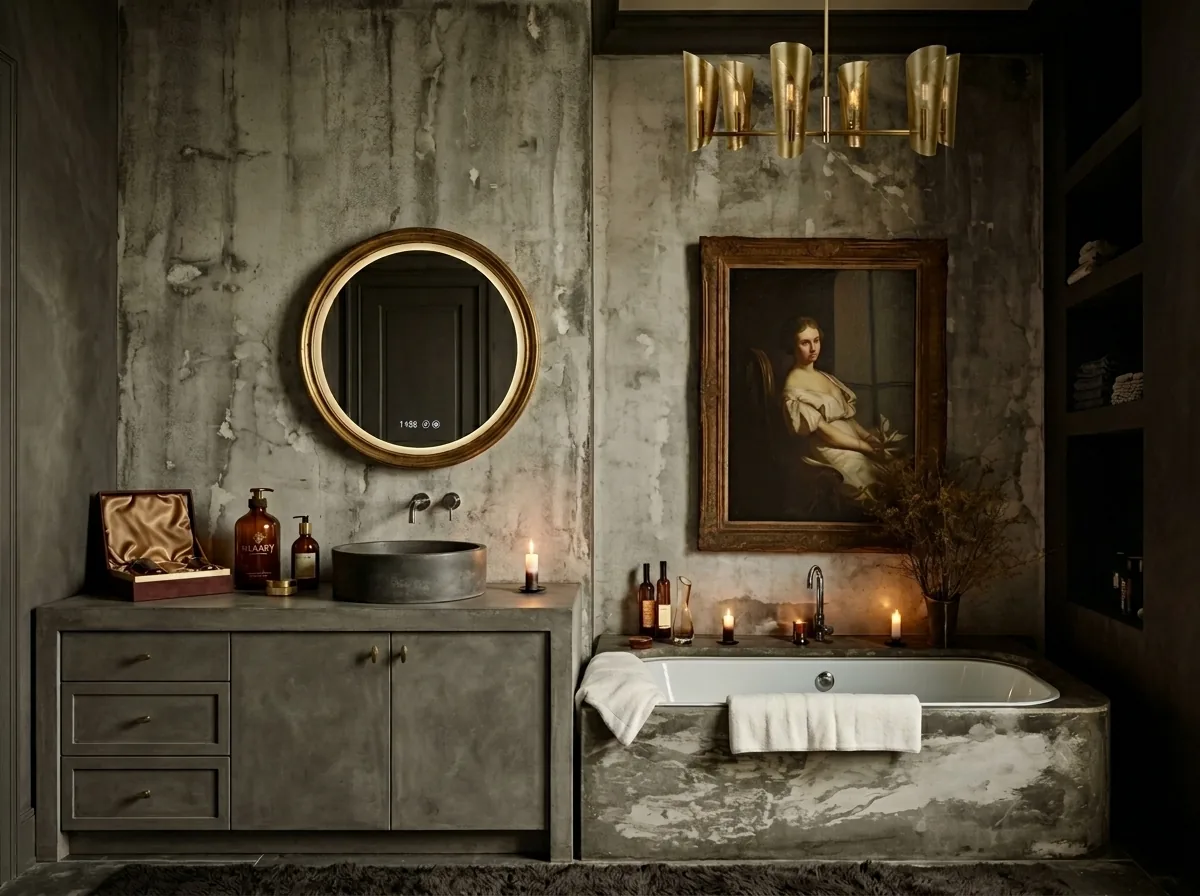
For hospitality procurement teams and interior designers working across both residential and hotel verticals, the trend documented in that House Beautiful feature is a useful confirmation of a direction the market has already been moving. Boutique hotel aesthetics — generous soaking tubs, monolithic vanity tops, integrated basins with minimal visible hardware — have become the default reference point for any bathroom specification at a certain price tier. The practical implications for buyers and specifiers are significant.
First, material selection has moved to the front of the conversation. Stone-resin and solid surface material have gained substantial ground over acrylic and fiberglass in premium specifications, driven by their ability to mimic natural stone, accept custom colorways, and deliver a warm-to-the-touch feel that guests and homeowners register immediately. Cast iron remains a heritage choice for certain traditionalist projects, but its weight and lead time make it a difficult proposition for large hotel rollouts or renovation projects with tight schedules.
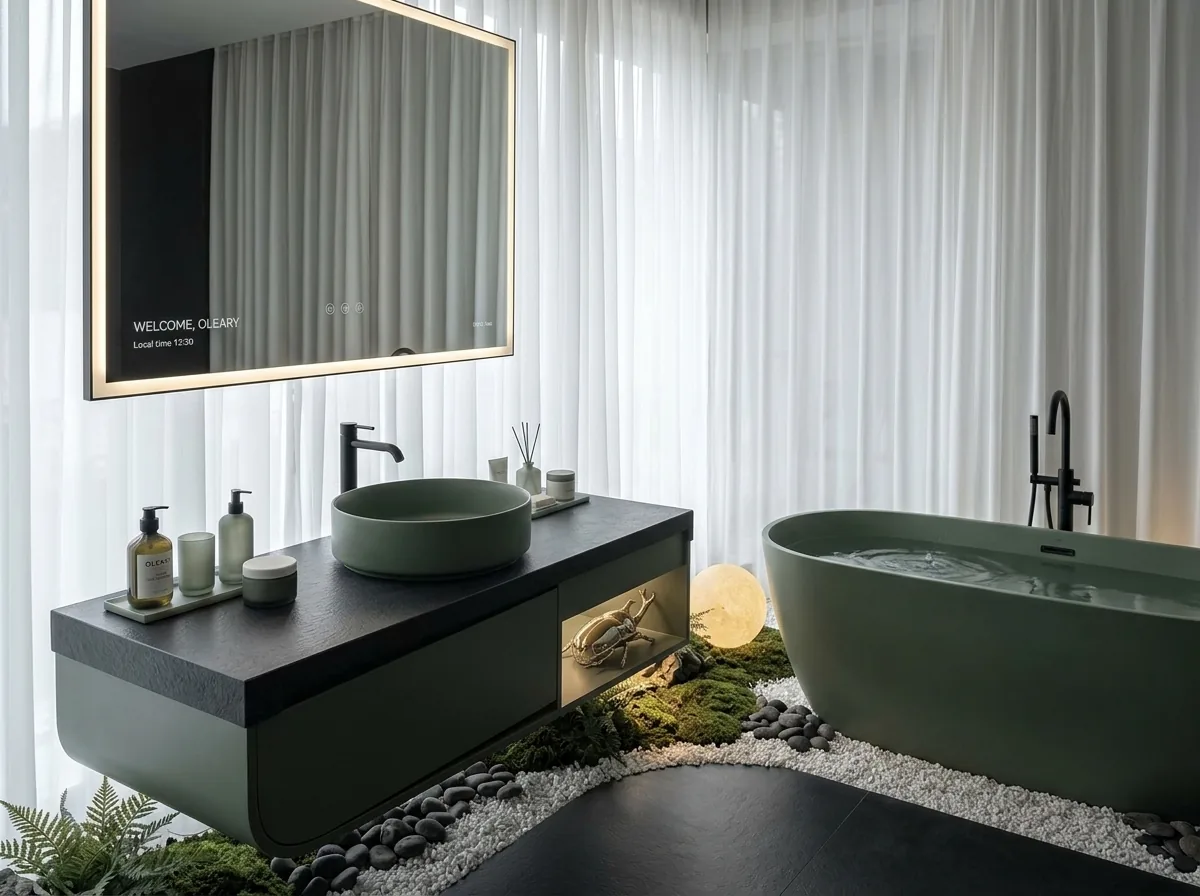
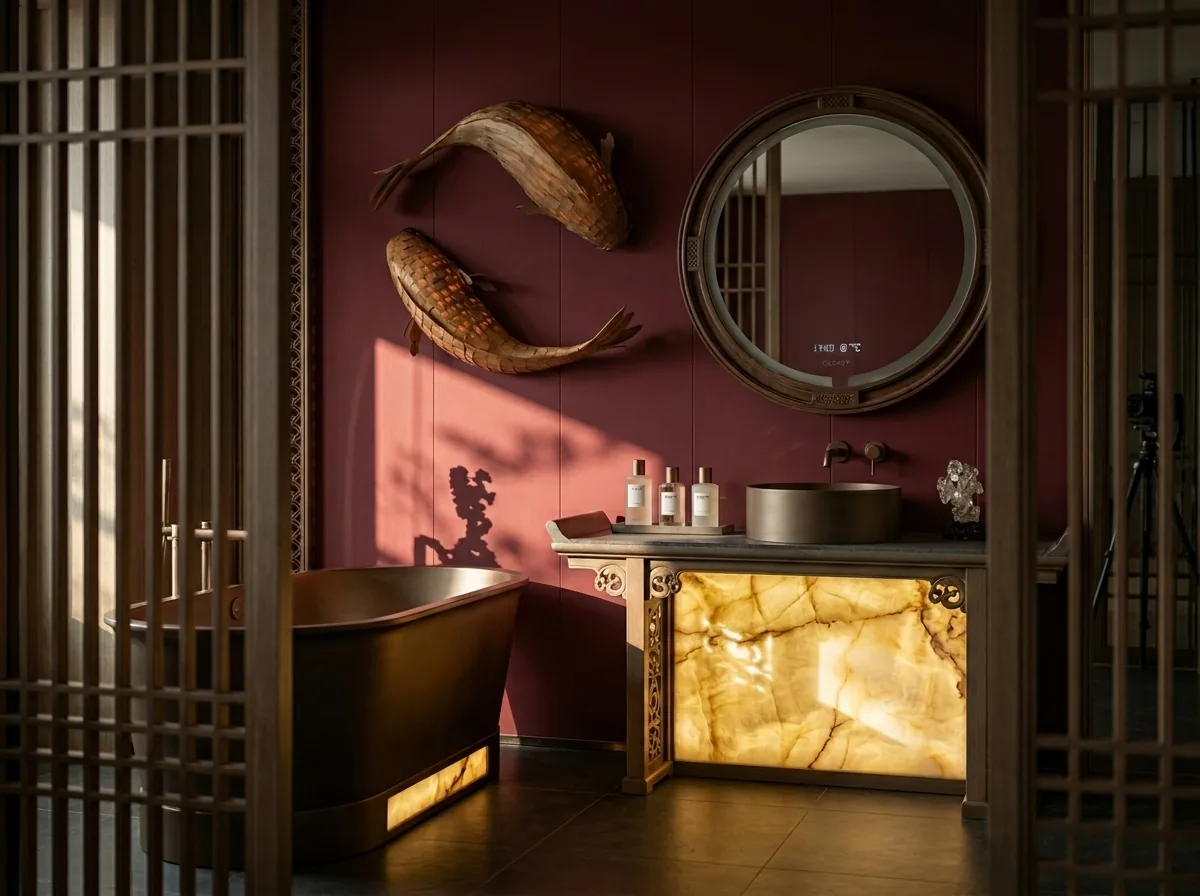
Second, customization has shifted from a luxury add-on to a baseline expectation. Designers specifying for boutique hotel clients — whether a 12-room property in Napa or a 200-key lifestyle brand in Amsterdam — increasingly need fixtures that reflect the property's visual identity rather than a manufacturer's standard catalog. That means specific dimensions to fit non-standard floor plans, custom color matching to a broader interior palette, and finish options that coordinate across the bathtub, basin, and vanity top in a single room. Off-the-shelf product lines, however well designed, rarely satisfy all three requirements simultaneously.
Third, the cross-pollination between hospitality and residential design is creating new sourcing opportunities for distributors and FF&E procurement firms. Specifiers who once maintained separate vendor relationships for hotel and residential projects are consolidating toward suppliers who can serve both channels — offering the production scale and quality consistency needed for a hotel rollout alongside the flexibility to fulfill smaller residential quantities. Hotel bathroom projects and high-end residential commissions are increasingly being quoted through the same sourcing conversations.
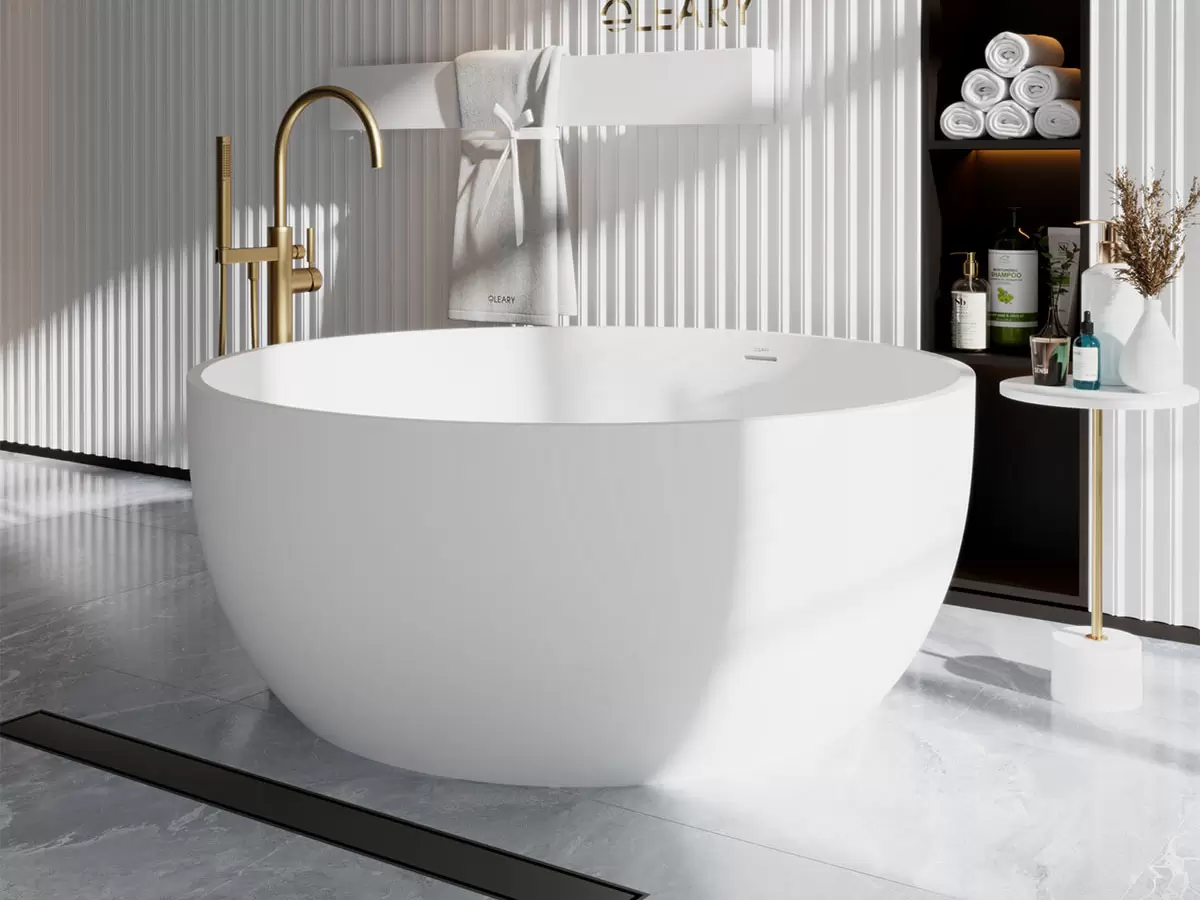
The freestanding bathtubs and custom washbasins that anchor this aesthetic trend are also prompting buyers to think more carefully about long-term serviceability — how a surface repairs after a chip, how a color holds over years of use, and whether a custom piece can be reordered to match an existing installation during a renovation cycle. These are questions that favor manufacturers with genuine production depth over design-forward brands that outsource fabrication.
The OLEARY View
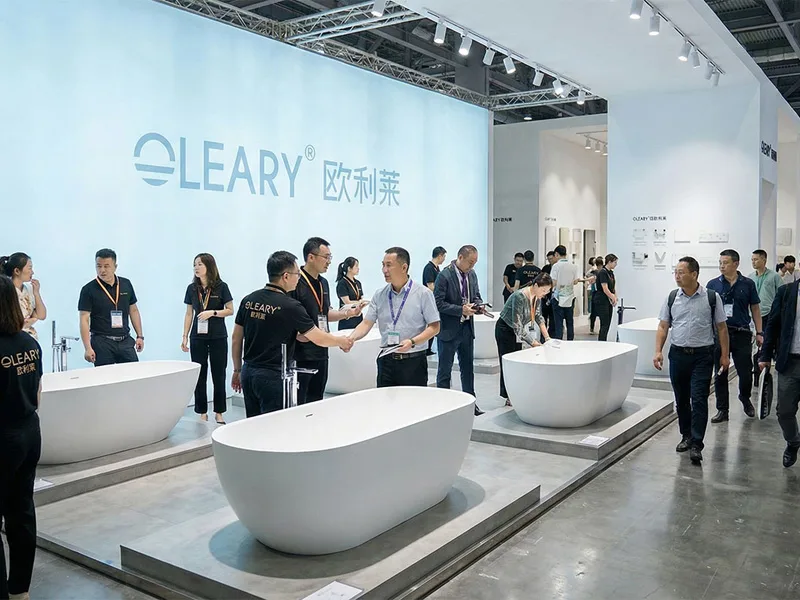
At OLEARY, we have been watching this convergence between boutique hotel aesthetics and residential specification for some time — and building our production capabilities around exactly what it demands. The story that House Beautiful told about one designer's loft transformation is a story we hear in procurement conversations every week: buyers who want the visual authority of a hotel bathroom delivered in a product that performs reliably, ships on a realistic timeline, and can be customized without a prohibitive minimum order.
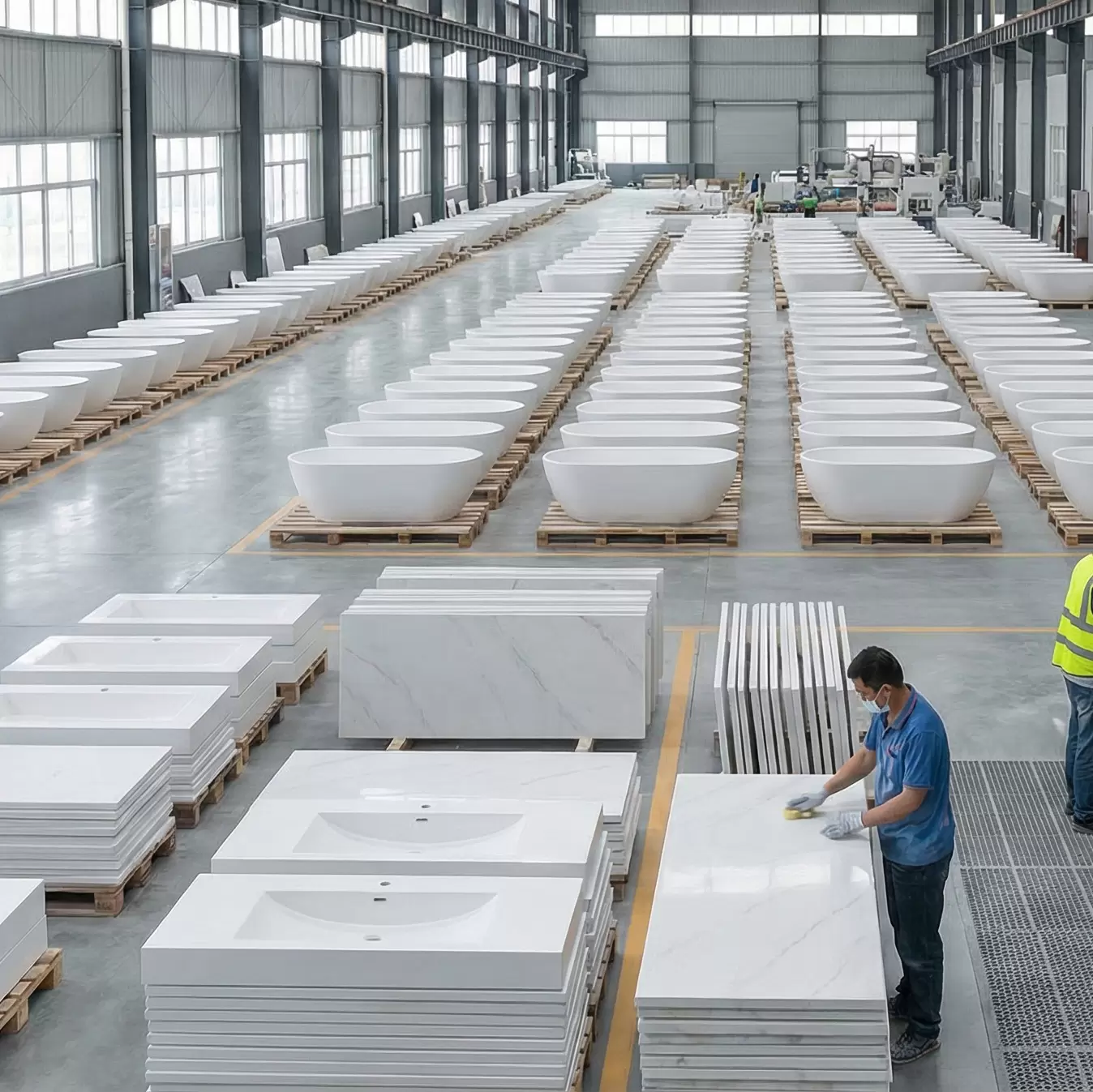
Our custom solid surface bathtubs are designed and manufactured with that dual-channel reality in mind. Solid surface gives us the material versatility to match almost any color direction a designer or brand standards manual requires, while its non-porous composition and repairability make it a practical choice for hospitality environments where fixtures face intensive daily use. We work directly with hotel brands, property developers, interior design firms, and distributors across the US and Europe — and our OEM/ODM bathtub manufacturing capability means we can support both branded private-label programs and project-specific custom runs from the same facility.
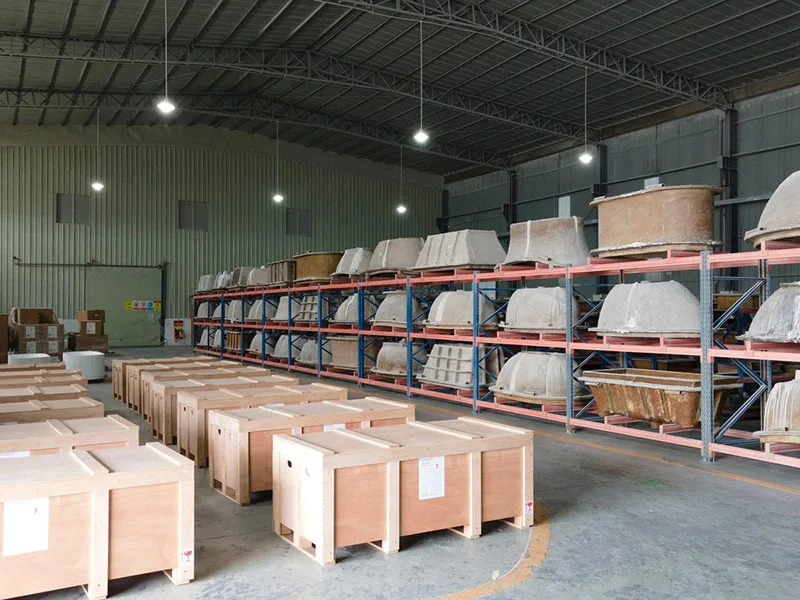
If you are specifying for an upcoming hotel project, a residential development, or looking to expand your fixture offering, our full bathroom fixtures catalog is a practical starting point. The OLEARY factory operates with the production discipline that hotel-scale procurement requires and the design flexibility that boutique projects demand. Those two things are not in conflict — and that is precisely the point.