
Industry Brief
Demand for professional bathroom remodeling services continues to climb across major US metro markets, with regions like Sacramento seeing a surge in both residential upgrades and commercial renovation projects. According to recent coverage by SFGATE, top-rated bathroom remodeling contractors near Sacramento are staying fully booked, a pattern that mirrors broader national trends tracked by the National Kitchen & Bath Association (NKBA) and reinforced by strong permit data in Sun Belt and Pacific Coast cities.
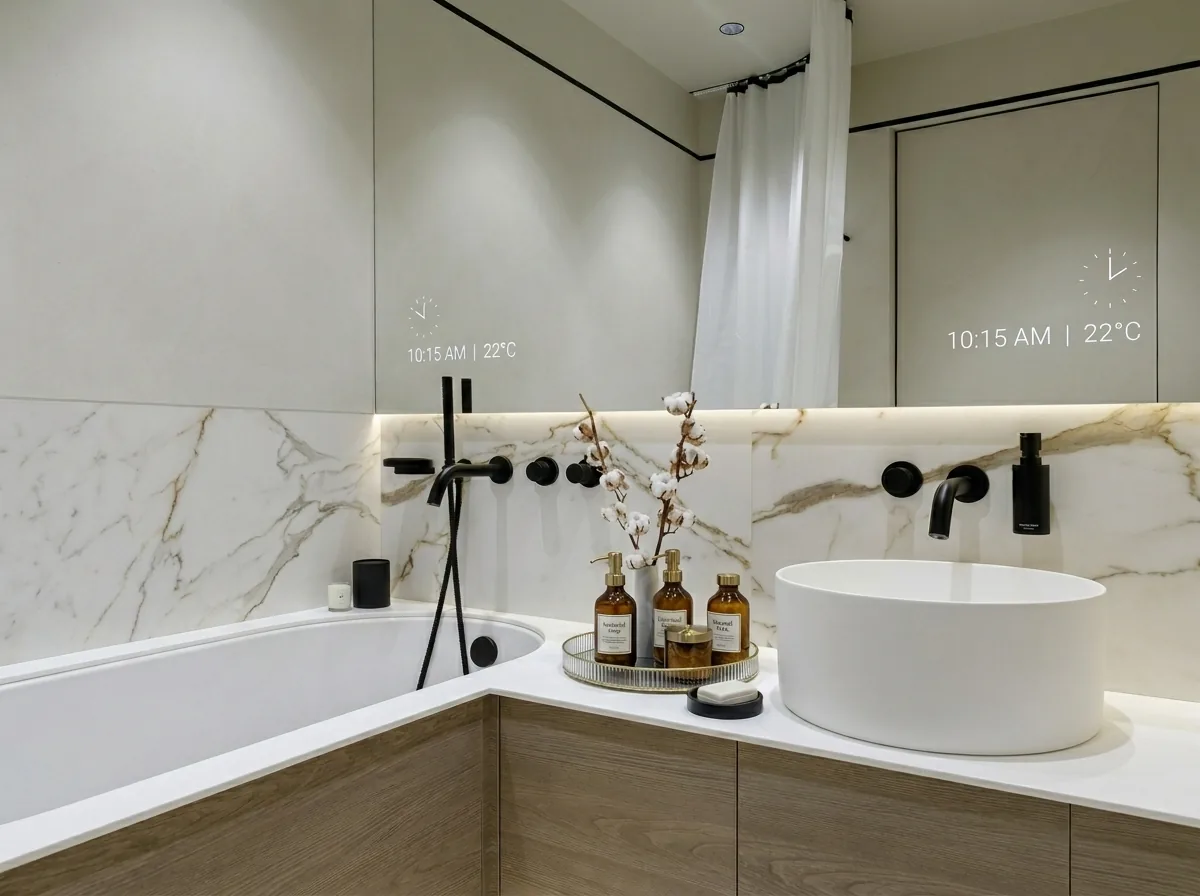
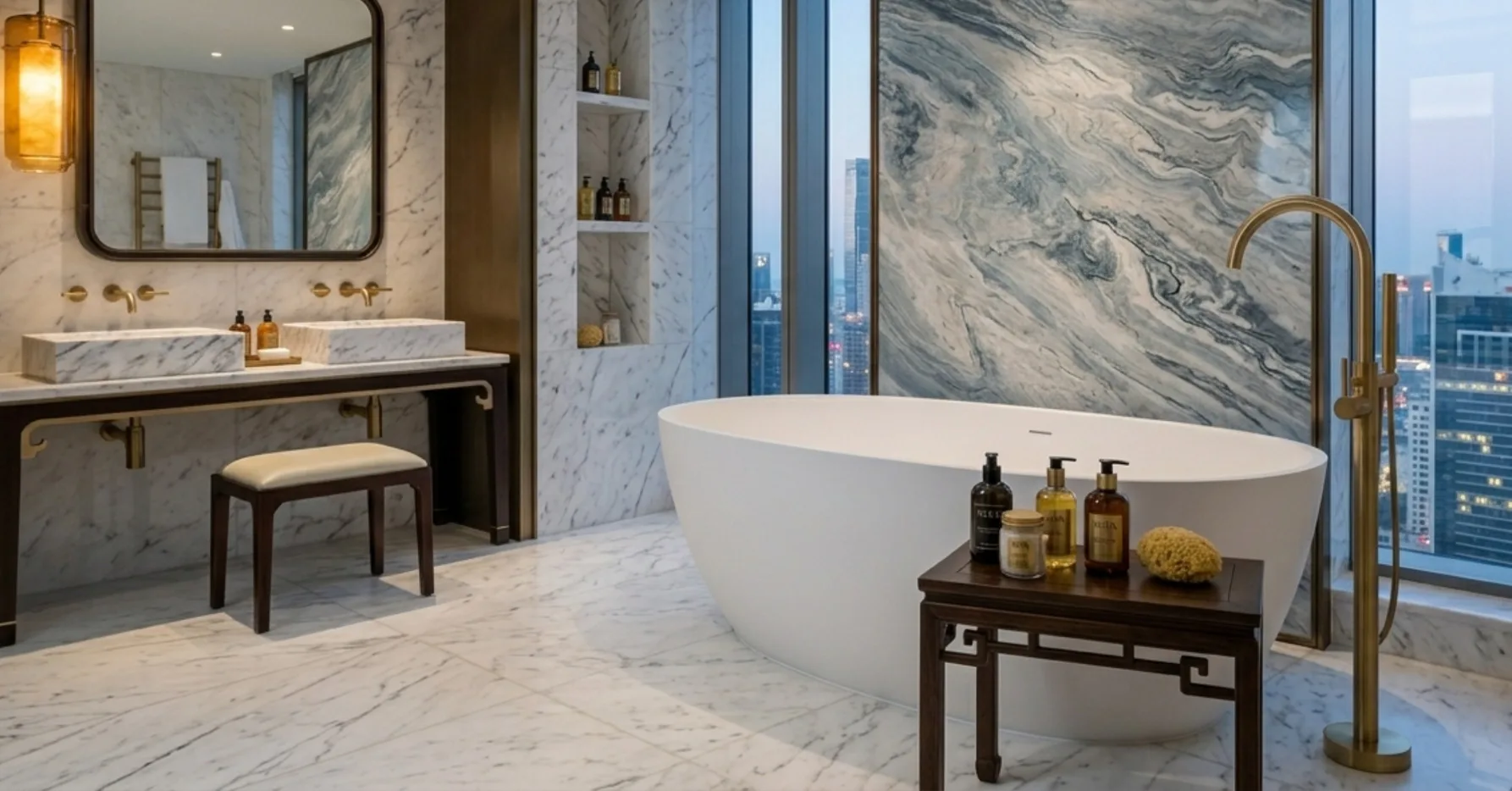
This sustained pipeline of activity reflects a fundamental shift in how American homeowners and property managers think about bathrooms. What was once a purely functional space has become a primary driver of property value, guest satisfaction scores in hospitality settings, and rental yield in the multifamily sector. Contractors report that clients are no longer just replacing worn fixtures — they are commissioning full spatial redesigns, specifying premium materials, and demanding bespoke fixtures that differentiate their properties.
The commercial side of this trend is especially significant. Hotel operators undergoing property improvement plans (PIPs), boutique property developers fitting out new builds, and senior living facility managers refreshing aging bathrooms are all entering the procurement cycle with elevated expectations. They want durable, design-forward solutions that can be installed efficiently and maintained without specialist intervention. That combination of criteria — aesthetics, longevity, and serviceability — is reshaping which materials and manufacturers make it onto the approved vendor lists of procurement directors and FF&E consultants on both sides of the Atlantic.
What It Means for the Bathroom & Hospitality Market
The remodeling boom is not just a residential story. For hospitality buyers, interior designers working on hotel contracts, and property developers managing multi-unit rollouts, the elevated consumer appetite for premium bathrooms creates both an opportunity and a specification challenge. Guests who have just renovated their own bathrooms to a higher standard arrive at hotels with sharper critical eyes. The gap between what a traveler expects at home and what they encounter in a guest room has narrowed considerably, and that puts real pressure on FF&E budgets and design briefs.
Material selection has become a central conversation in that context. Cast iron remains a durable classic but carries significant weight penalties that complicate installation in upper-floor hotel rooms and add cost to structural reinforcement. Acrylic delivers affordability and light weight but has well-documented limitations around surface hardness and long-term finish retention — drawbacks that become expensive in high-occupancy hospitality environments where deep cleaning is routine. Stone-resin composites offer a satisfying weight and warmth, but custom color matching and complex form-making can be slow and costly.
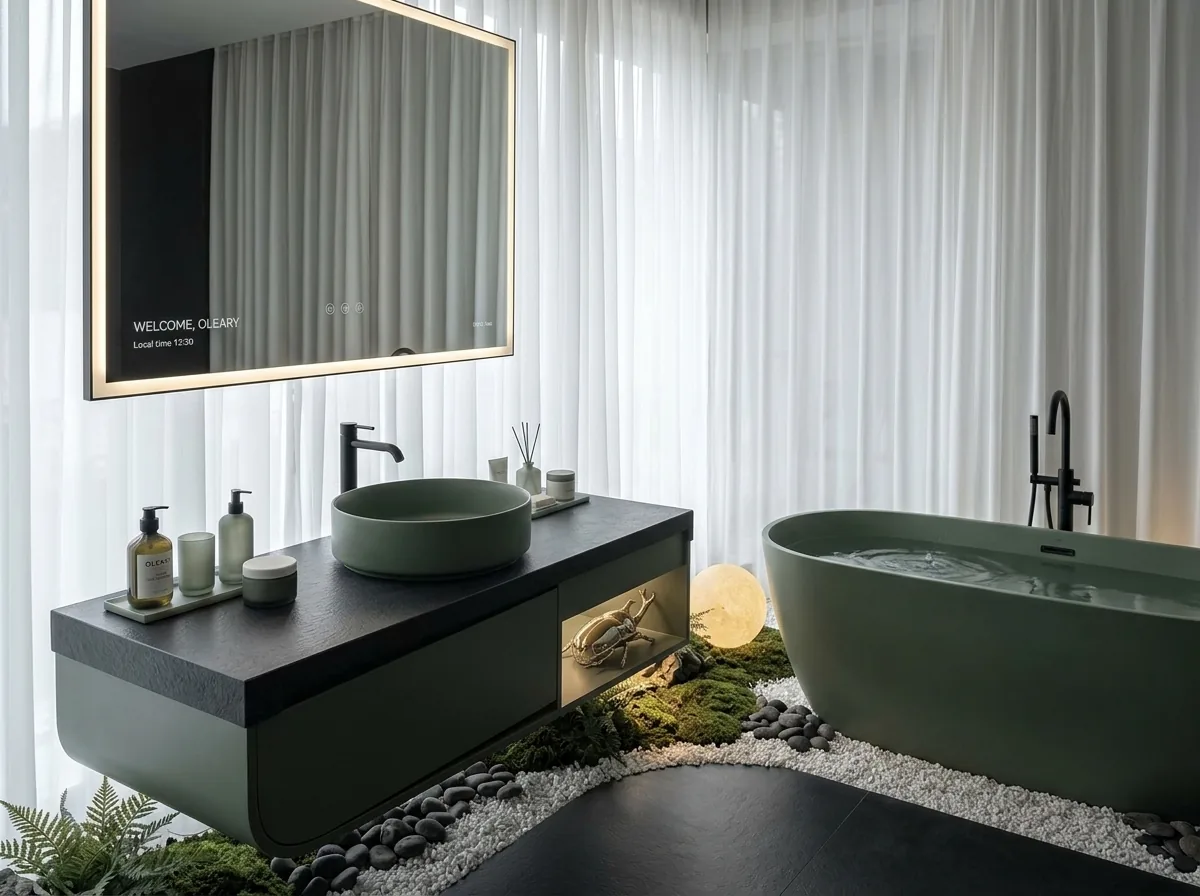
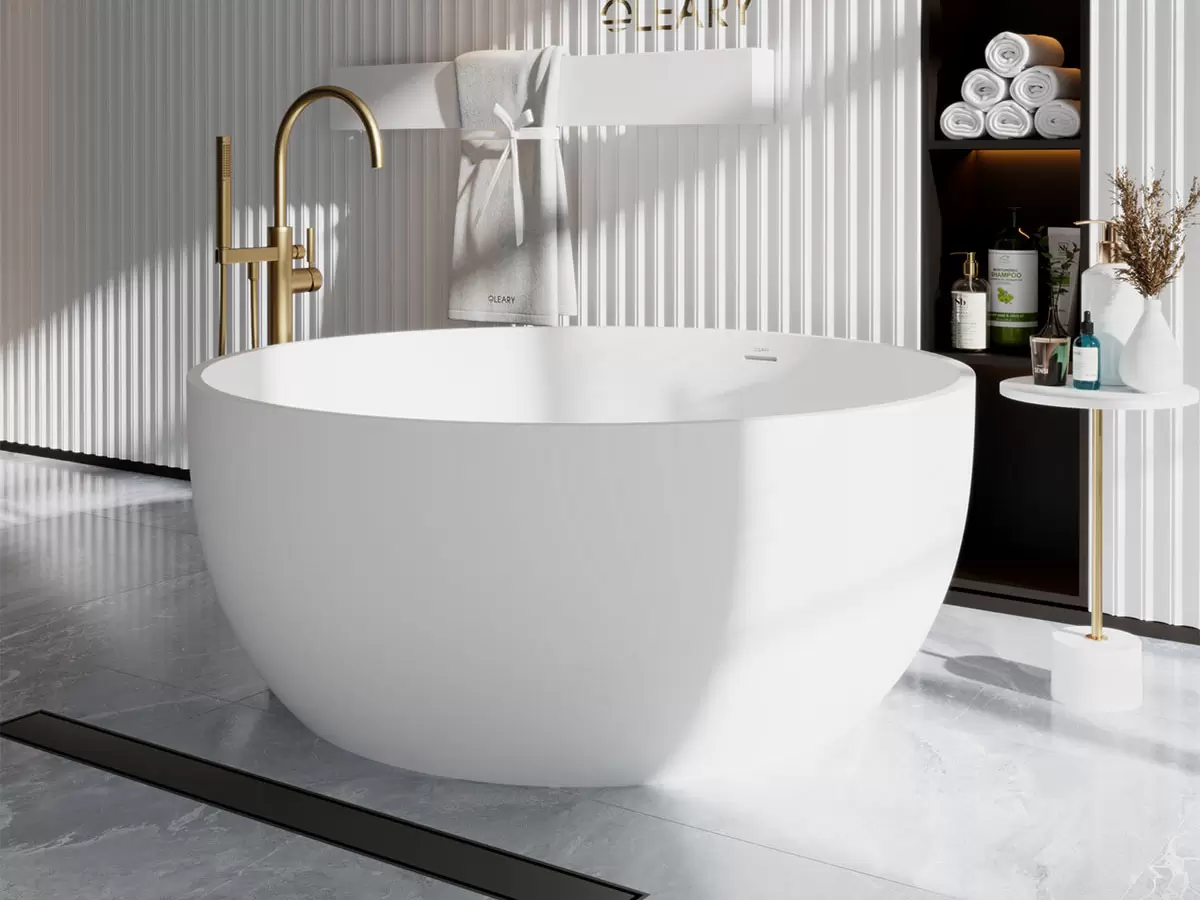
Solid surface material has emerged as the specification sweet spot for designers and procurement teams navigating these trade-offs. It is non-porous, repairable, lightweight relative to stone, and — critically — it can be manufactured in virtually any geometry and color without tooling costs that make small-batch custom runs prohibitive. For a boutique hotel that needs twelve identically sized freestanding bathtubs in a bespoke matte tone to match a room's design palette, solid surface is often the only material that delivers on every requirement simultaneously.
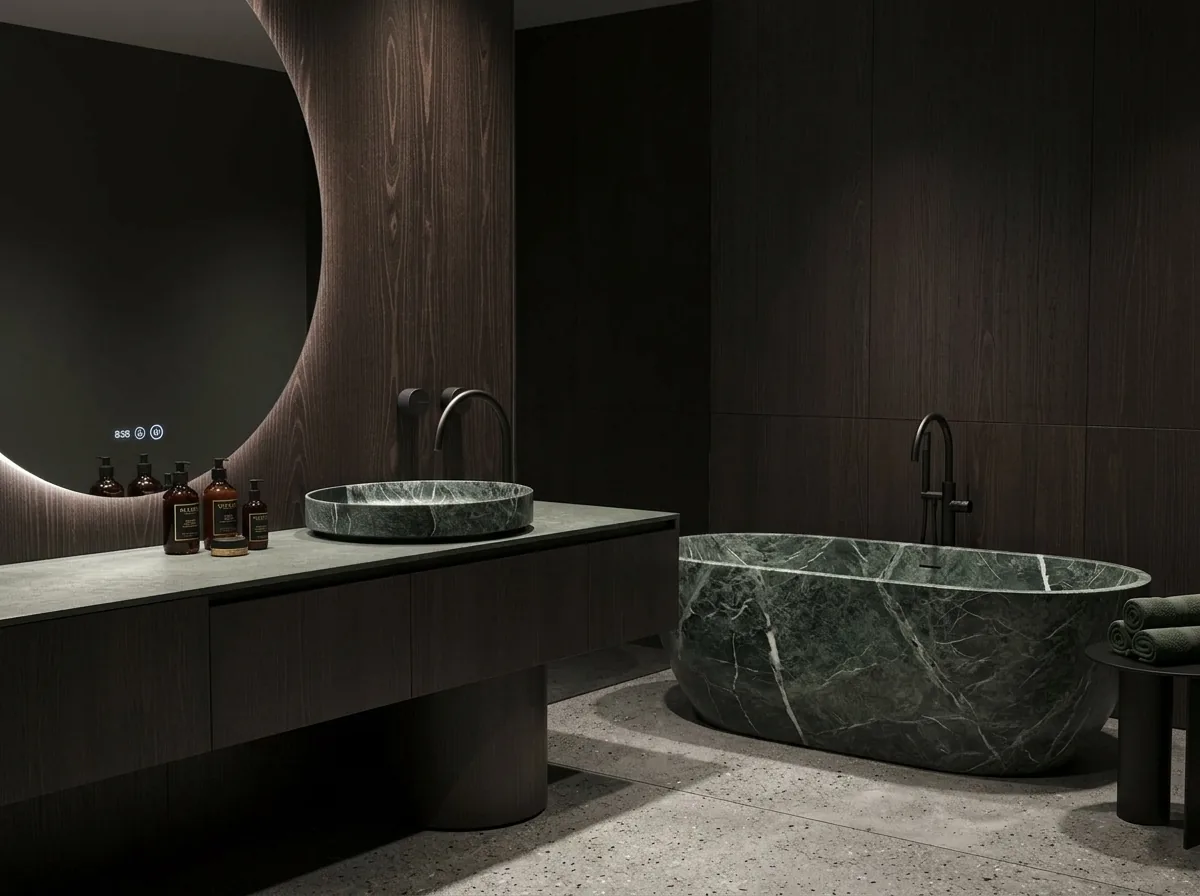
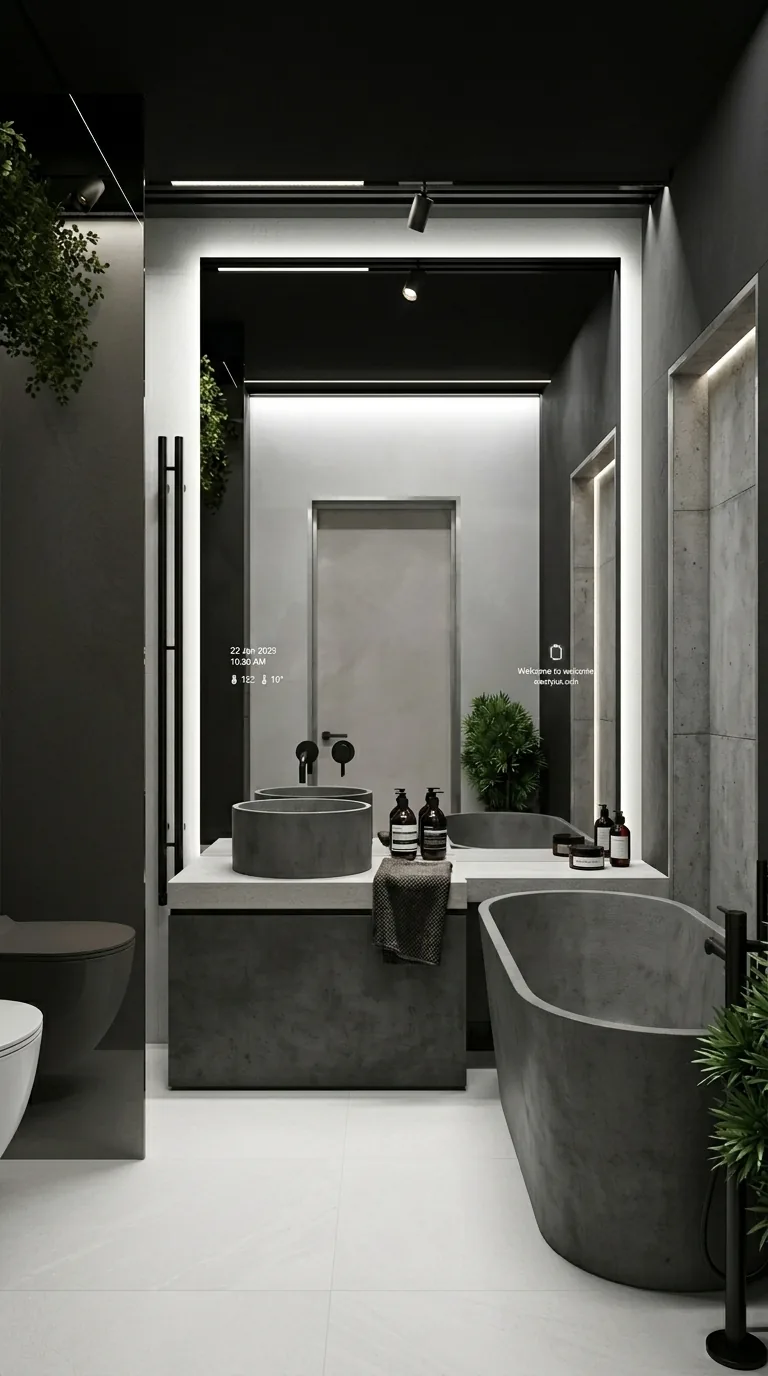
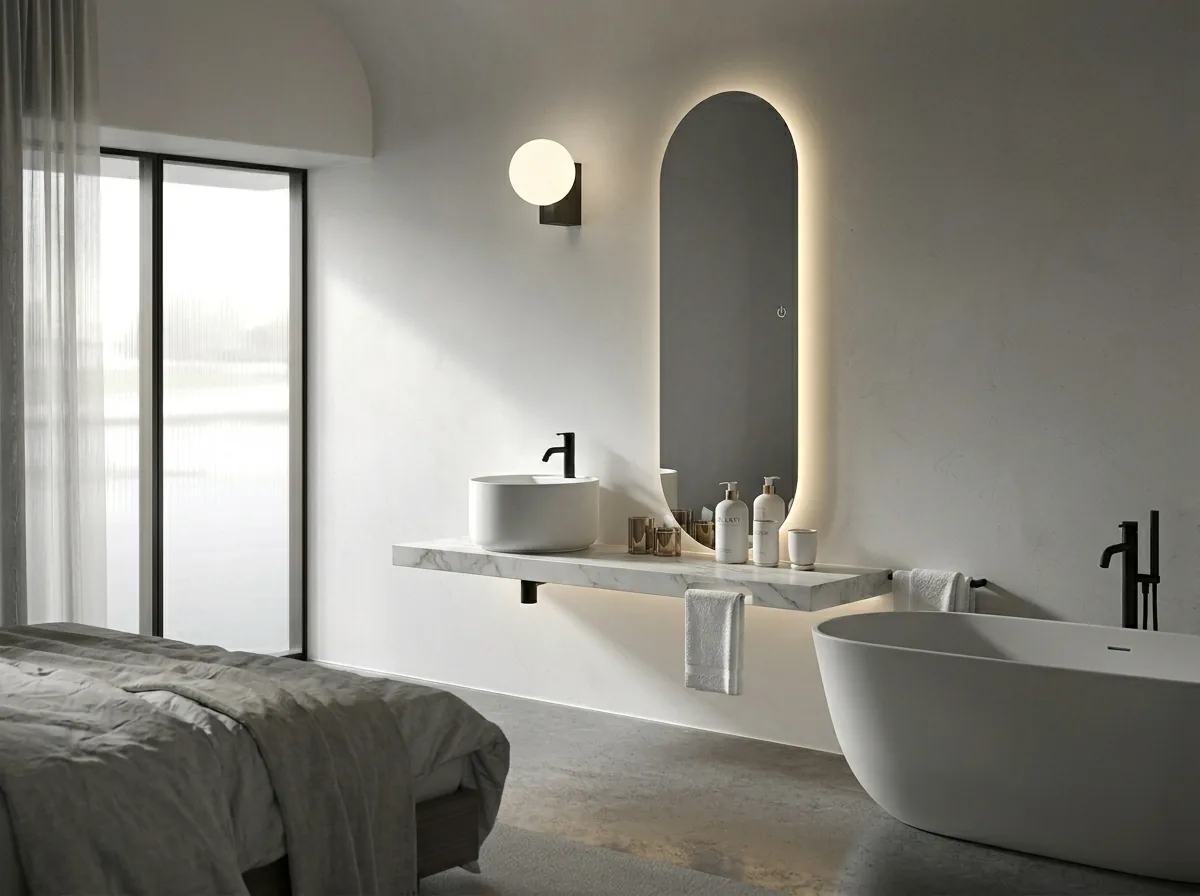
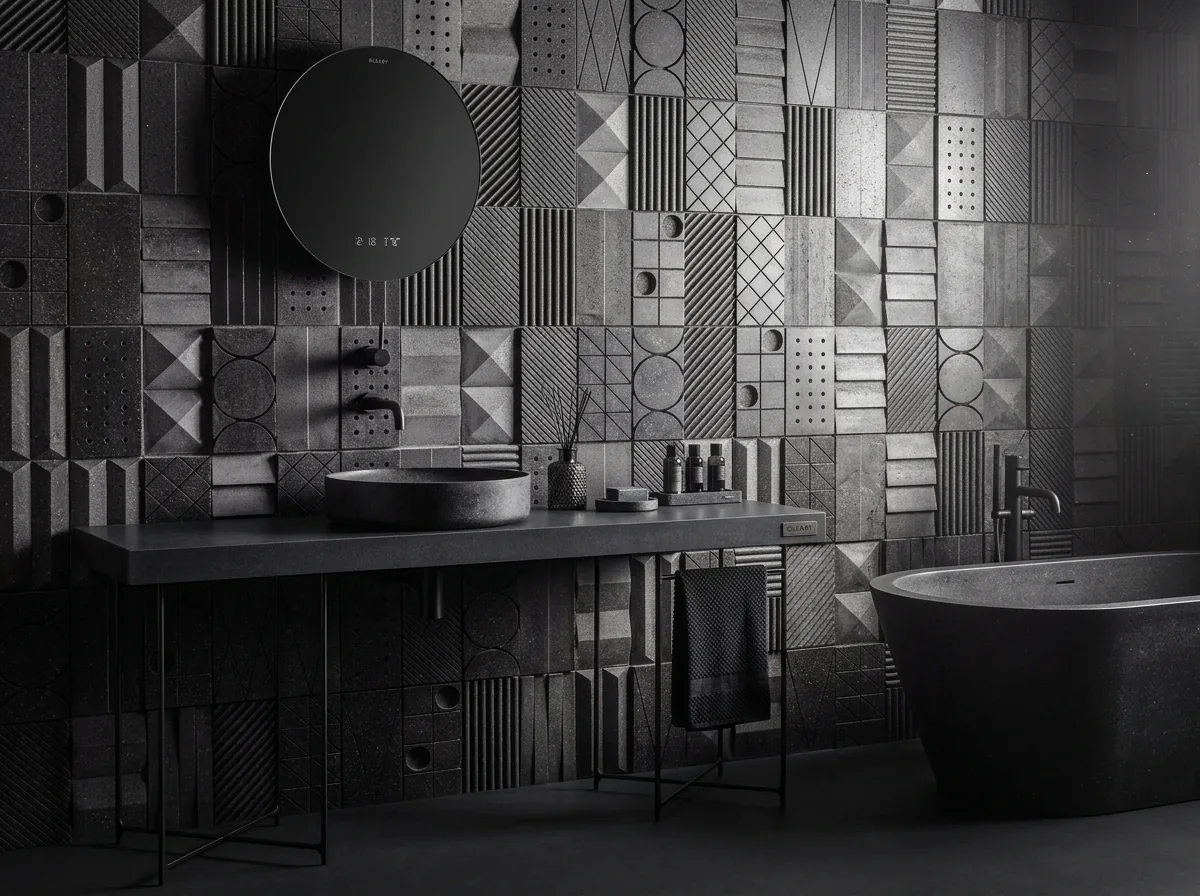
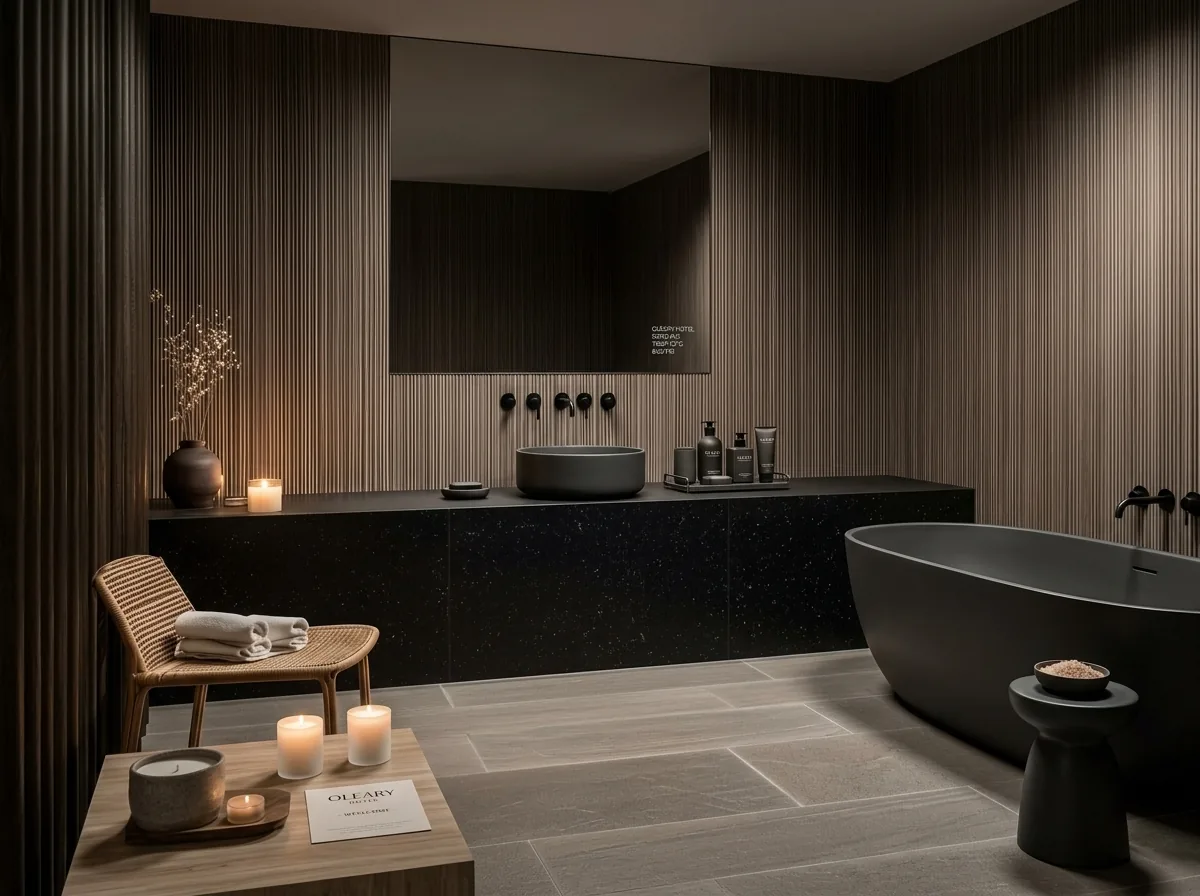
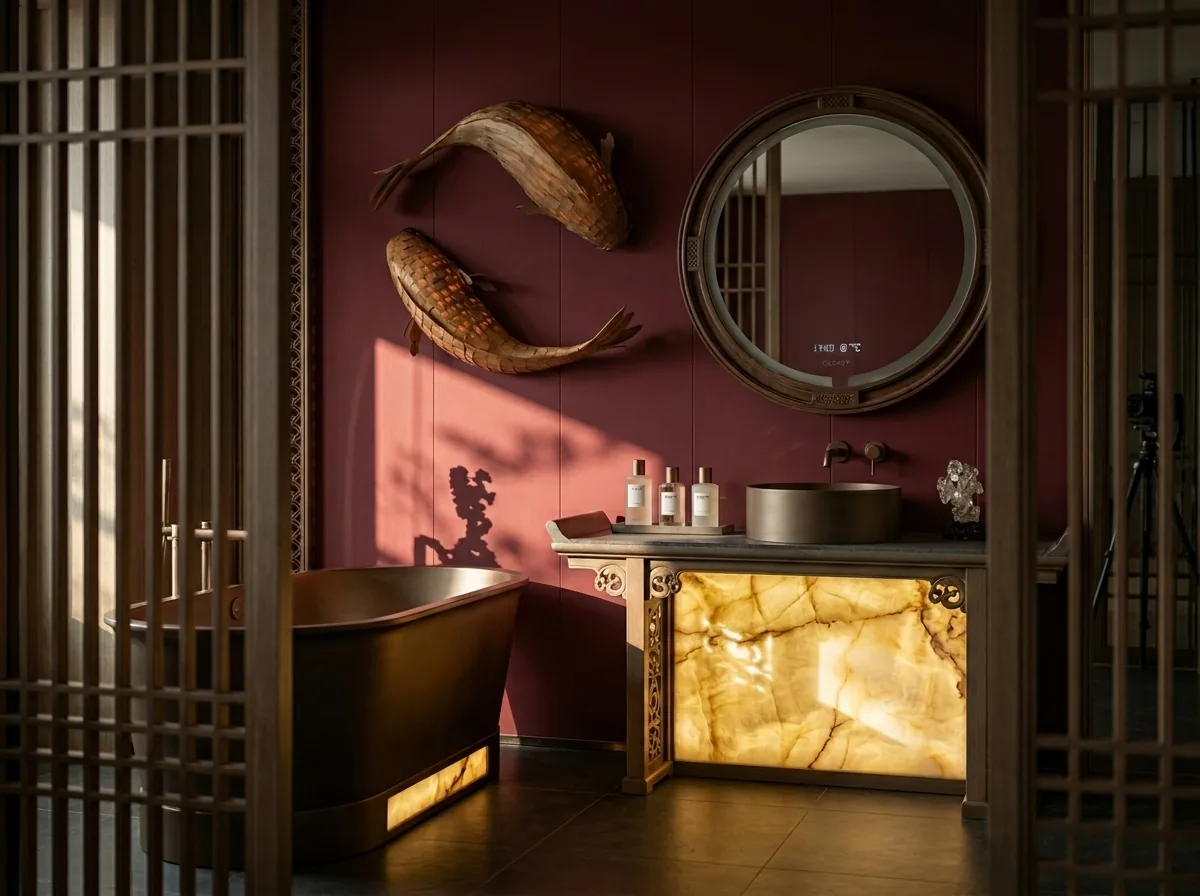
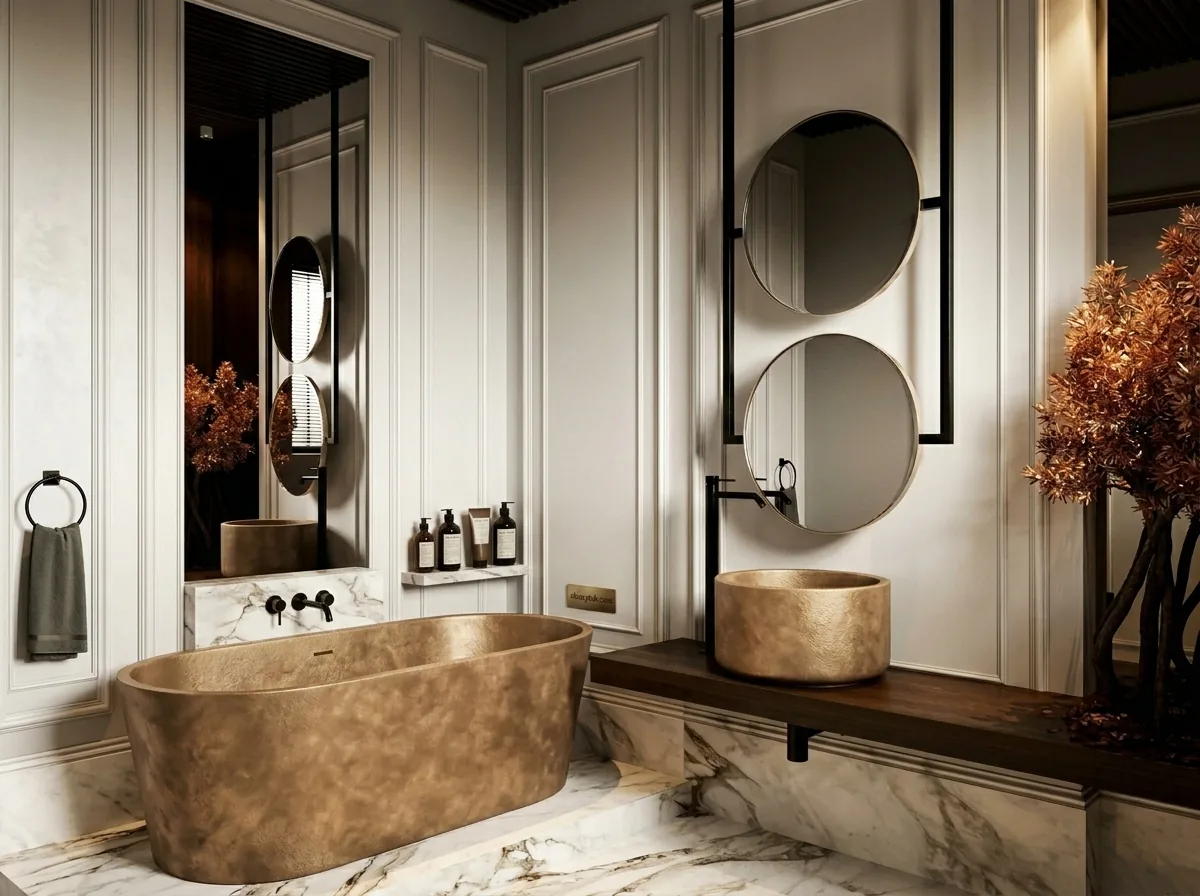
Interior designers specifying for hotel bathroom projects are also placing greater emphasis on custom washbasins and vanity tops as cohesive elements within a broader design language. A matching suite — tub, basin, and vanity top in the same material and finish — reads as intentional and considered, which is exactly what brand-conscious hotel operators want their guests to perceive. That demand for design coherence is driving specifiers toward manufacturers who can supply coordinated collections from a single source rather than assembling mismatched components from multiple vendors.
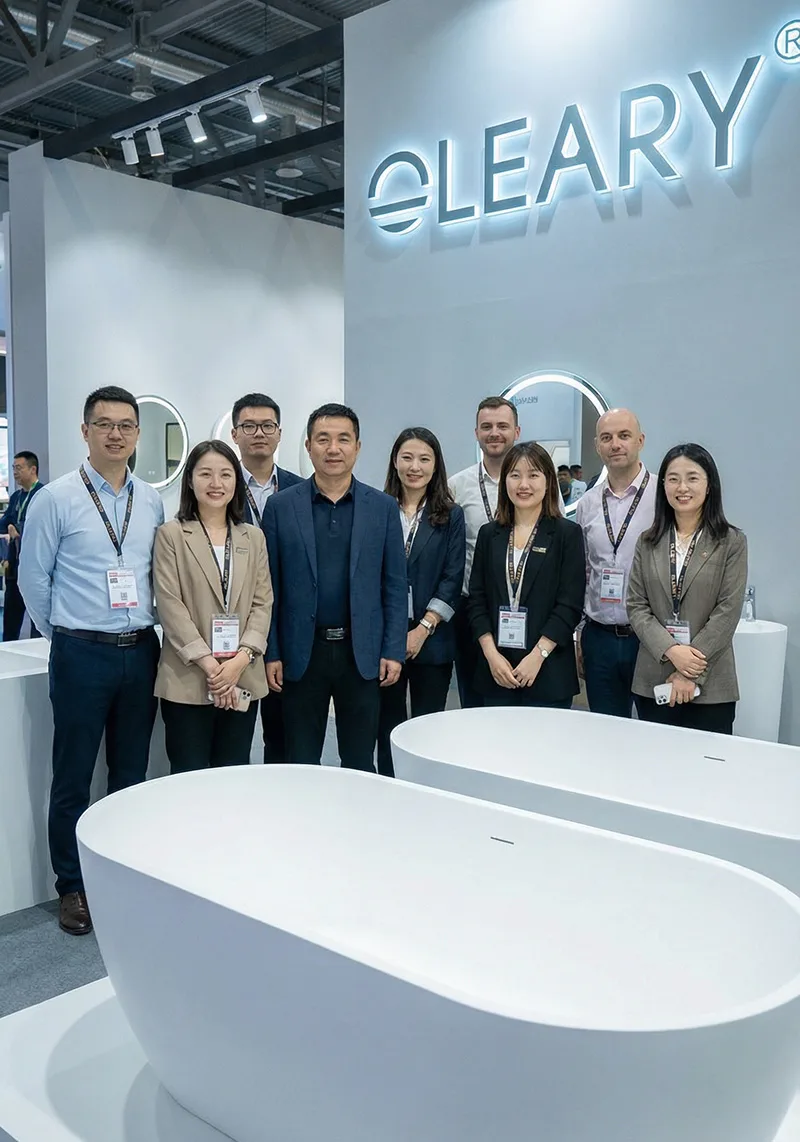
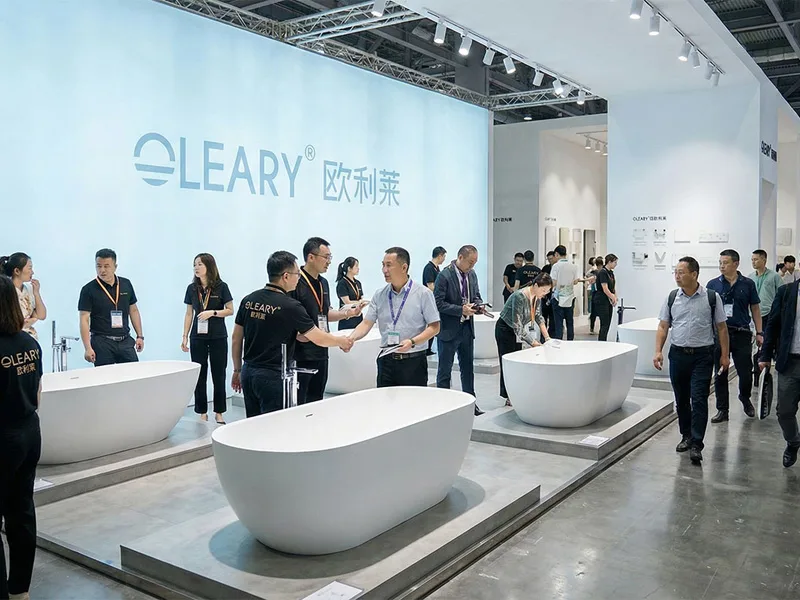
Trade event attendance at KBIS, ISH Frankfurt, and Cersaie continues to confirm this direction. Conversations on those show floors increasingly center on lead times, customization depth, and factory-direct supply relationships rather than catalog browsing. Procurement professionals want to know that a manufacturer can respond to a revised specification mid-project without the delay and cost of a traditional distributor chain.
The OLEARY View
The remodeling activity rippling through US metro markets like Sacramento is a reliable leading indicator of where hospitality and development procurement is heading. When residential consumers upgrade their bathrooms, commercial buyers follow — usually within a season or two — as they update their own standards to stay competitive.
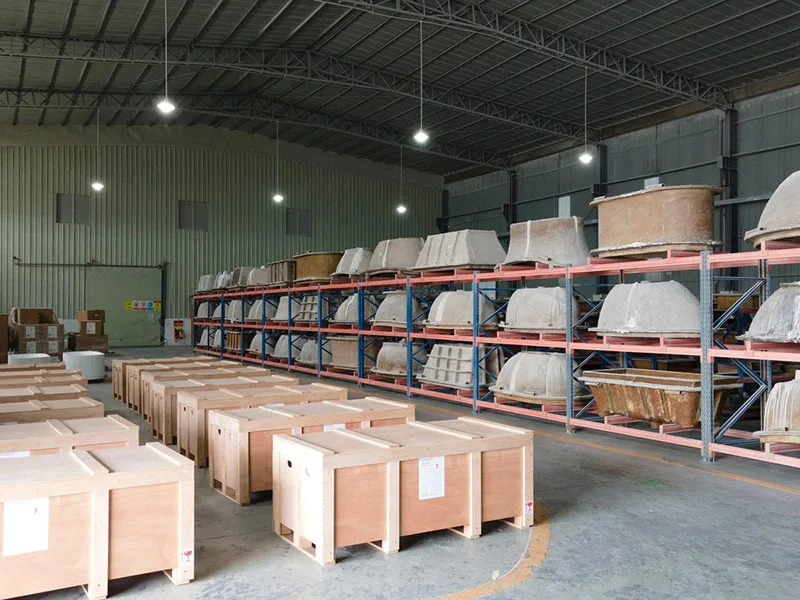
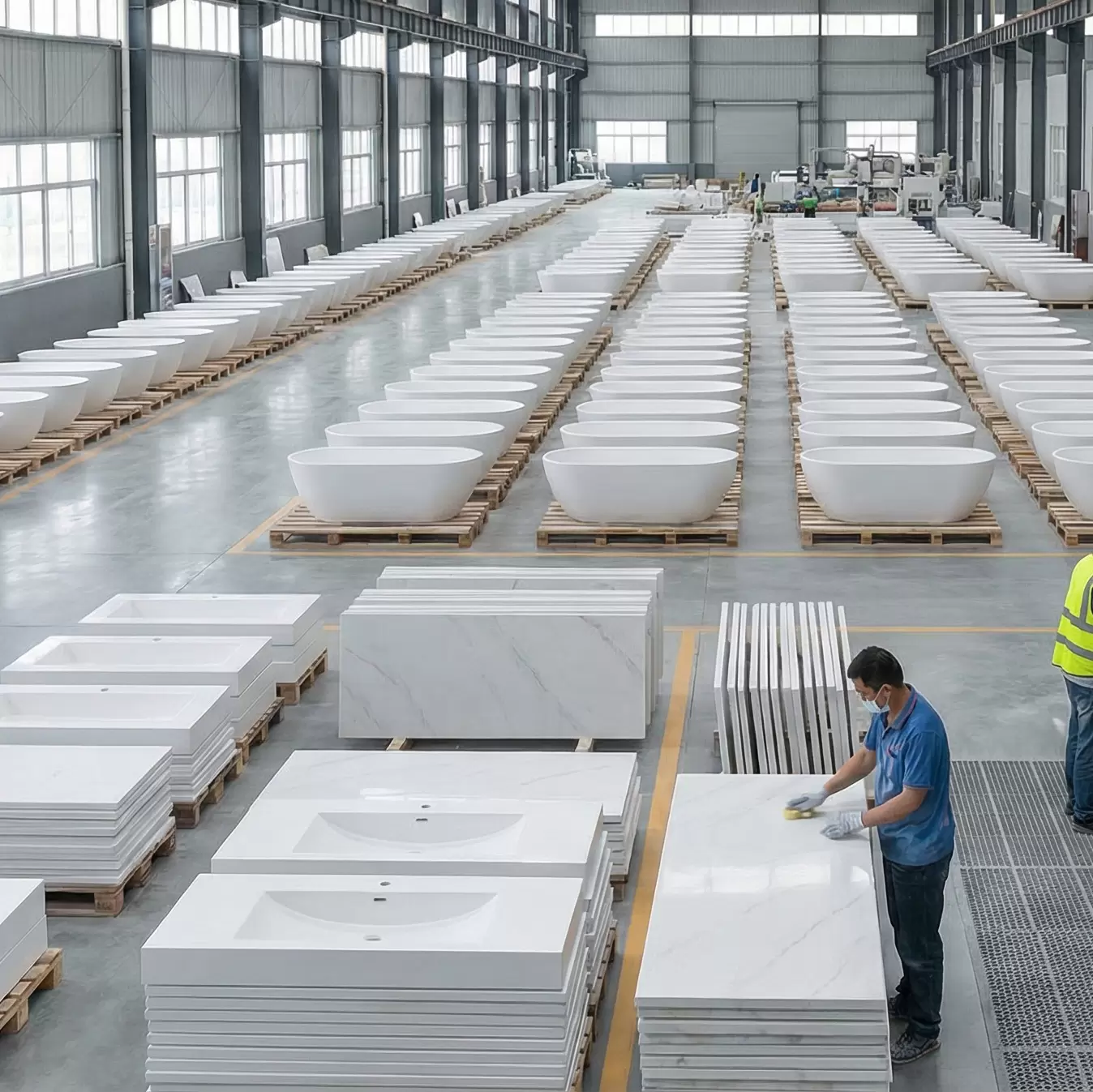
OLEARY is built specifically for the kind of project that emerges from that environment: hospitality fit-outs, developer-driven multi-unit builds, and design-led residential commissions where off-the-shelf simply isn't the right answer. Our custom solid surface bathtubs are produced at our own facility, which means we control the full process from material formulation through to final quality inspection — no intermediaries, no minimum order constraints that price out smaller boutique projects, and no finger-pointing when a specification needs to change late in a project cycle.
The OLEARY factory supports both branded supply and full OEM/ODM bathtub manufacturing for distributors and hotel brands that want their own label on the product. Whether a buyer needs a single statement tub for a flagship suite or a coordinated run of fixtures across a multi-property portfolio, the production model scales accordingly. Designers and procurement managers who want to explore the range can start with our bathroom fixtures catalog and reach out directly for project-specific pricing and lead times.
The underlying market signal is clear: buyers at every level are raising their standards. The manufacturers who earn their business will be the ones who combine design flexibility, material quality, and a direct supply relationship that keeps projects moving on schedule and on budget.