
How Hotels Choose Bathtub Materials: A Procurement Guide
Hotels evaluate bathtub materials on four core criteria: durability under heavy daily use, ease of maintenance, aesthetic consistency with the property's design standard, and total cost of ownership across the fixture's lifespan. Material choice directly affects guest satisfaction scores, housekeeping labor, and long-term capital expenditure — making it one of the most consequential decisions in any hotel bathroom renovation.
Why Material Selection Is a Procurement Decision, Not Just a Design One
Purchasing teams and project managers often defer bathtub specification to interior designers, which can create misalignment between visual intent and operational reality. A surface that photographs beautifully may be expensive to repair, difficult to clean at scale, or prone to finish degradation under commercial cleaning chemicals. The most effective hotel bathtub procurement guide treats material selection as a cross-functional decision involving design, facilities management, and finance from the outset.
The right question to ask at the specification stage is not "what looks best?" but "what performs best within this property's operational context?" Those two answers are not always the same.
The Primary Bathtub Materials Hotels Evaluate
Cast Iron
Cast iron is a legacy material valued for its heat retention and rigidity. It carries real weight — both physically and in terms of structural load on floors — which can limit its use in renovation projects or upper-floor applications. Its porcelain enamel finish is hard-wearing but susceptible to chipping, and chips are difficult to repair invisibly. For properties aiming for a heritage aesthetic, cast iron remains a considered choice, but its weight and repair profile make it less practical at scale.
Acrylic
Acrylic is widely used in mid-market hospitality because of its low upfront cost and light weight. It is vacuum-formed over a mold, which limits the complexity of shapes a manufacturer can produce. Acrylic surfaces scratch more readily than harder materials and can yellow over time with repeated exposure to harsh cleaning agents. Properties with high turnover and aggressive housekeeping schedules often find that acrylic fixtures require replacement sooner than projected, eroding the initial cost advantage.
Solid Surface
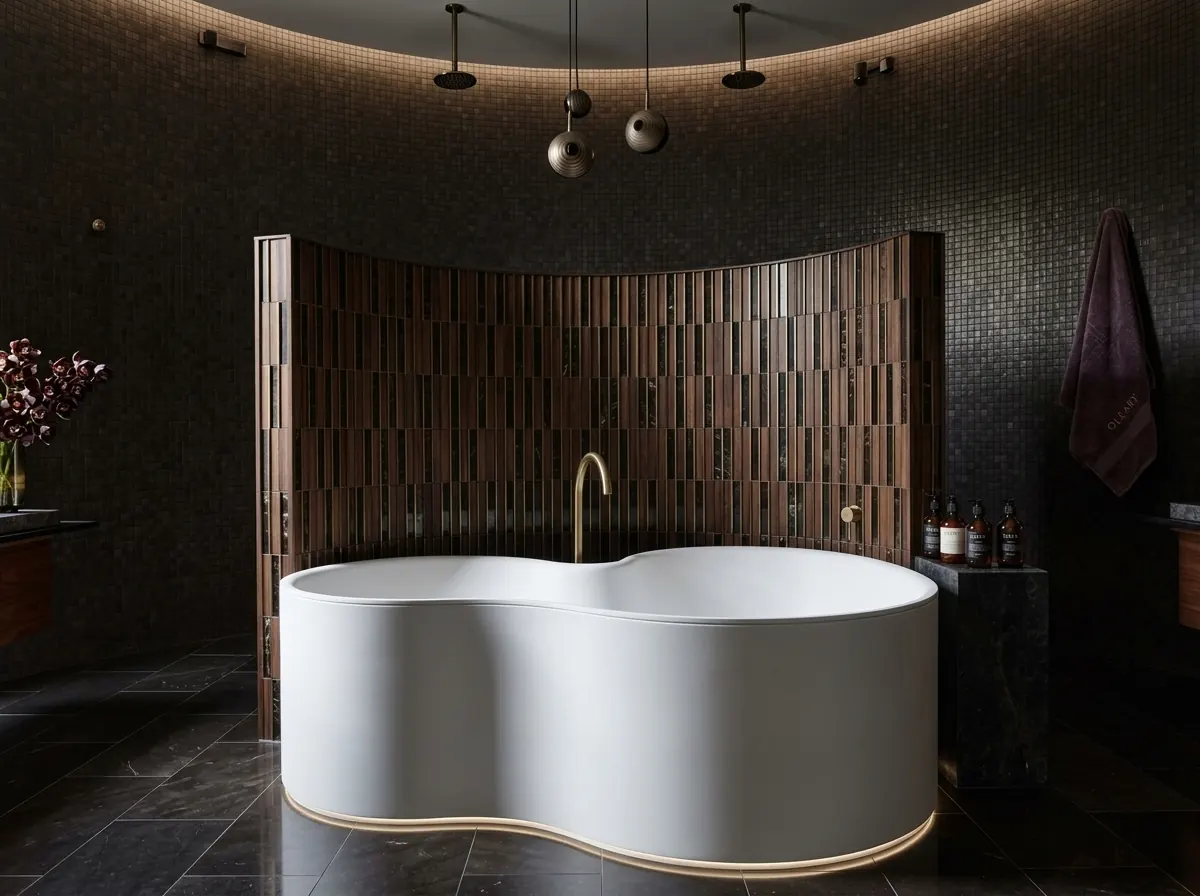
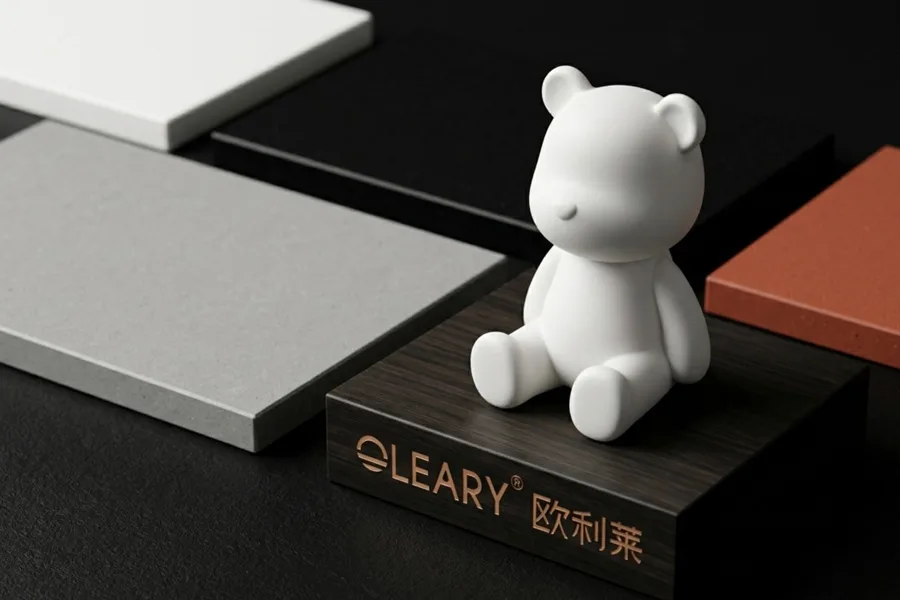
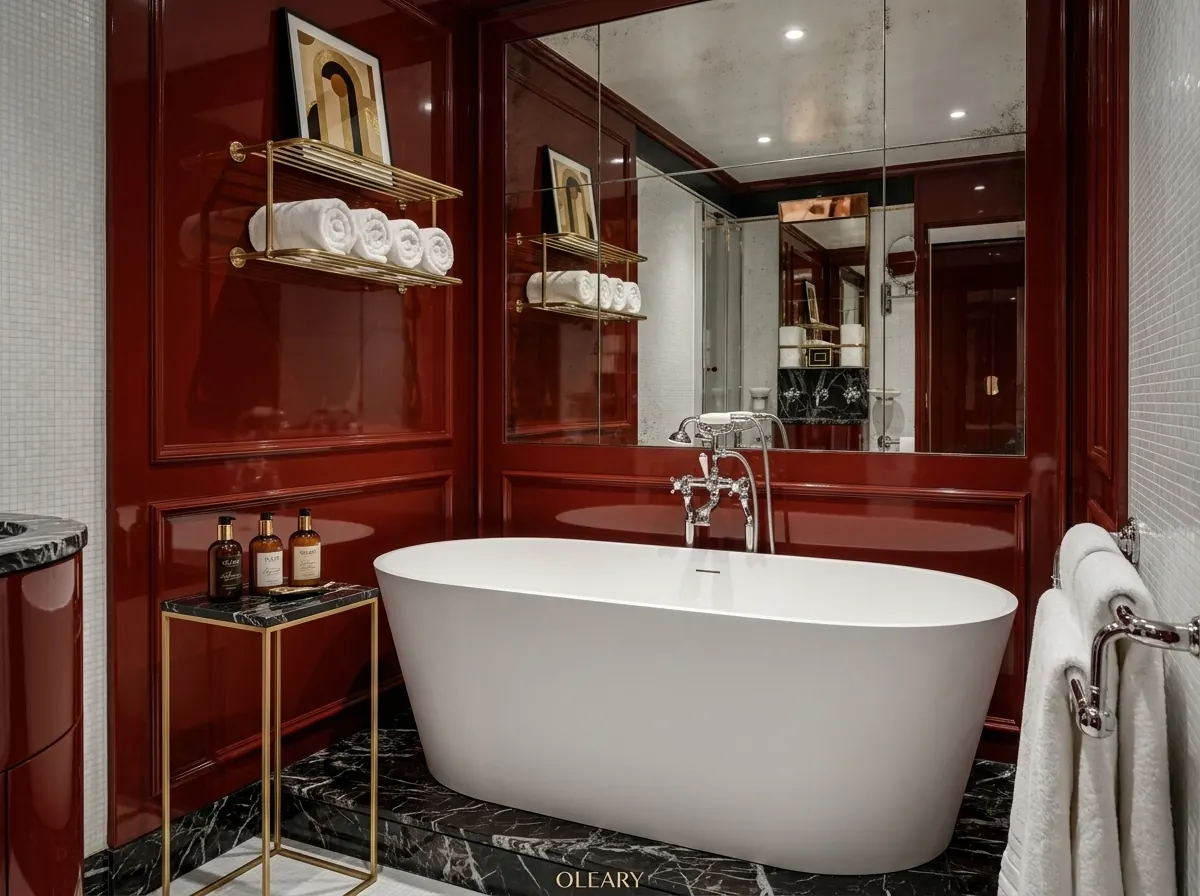
Solid surface material — composed of mineral fillers and resin binders — has become a preferred specification for upscale and luxury hotel projects. Unlike acrylic, solid surface is non-porous throughout its full thickness, meaning minor surface scratches can be sanded and buffed out on-site without replacing the fixture. Its matte, stone-like finish photographs well and holds up under the cleaning protocols standard in commercial hospitality environments.
Custom solid surface fabrication is particularly well-suited to hotel projects because it allows procurement teams to specify exact dimensions, radii, overflow positions, and finish textures to match a brand standard or interior concept — rather than adapting a design concept to fit a catalog size. For properties with non-standard floor plans or signature suite configurations, this matters operationally as much as aesthetically.
Stone Resin and Natural Stone
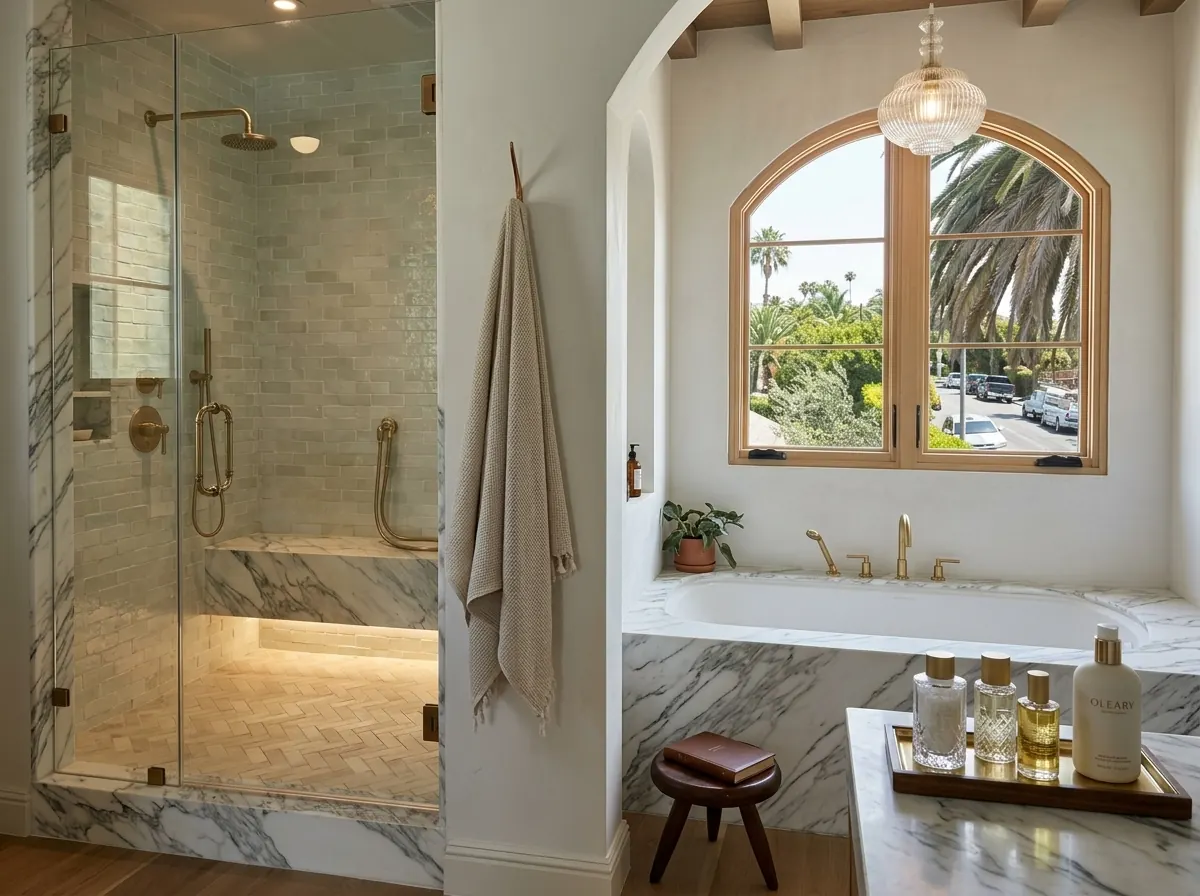
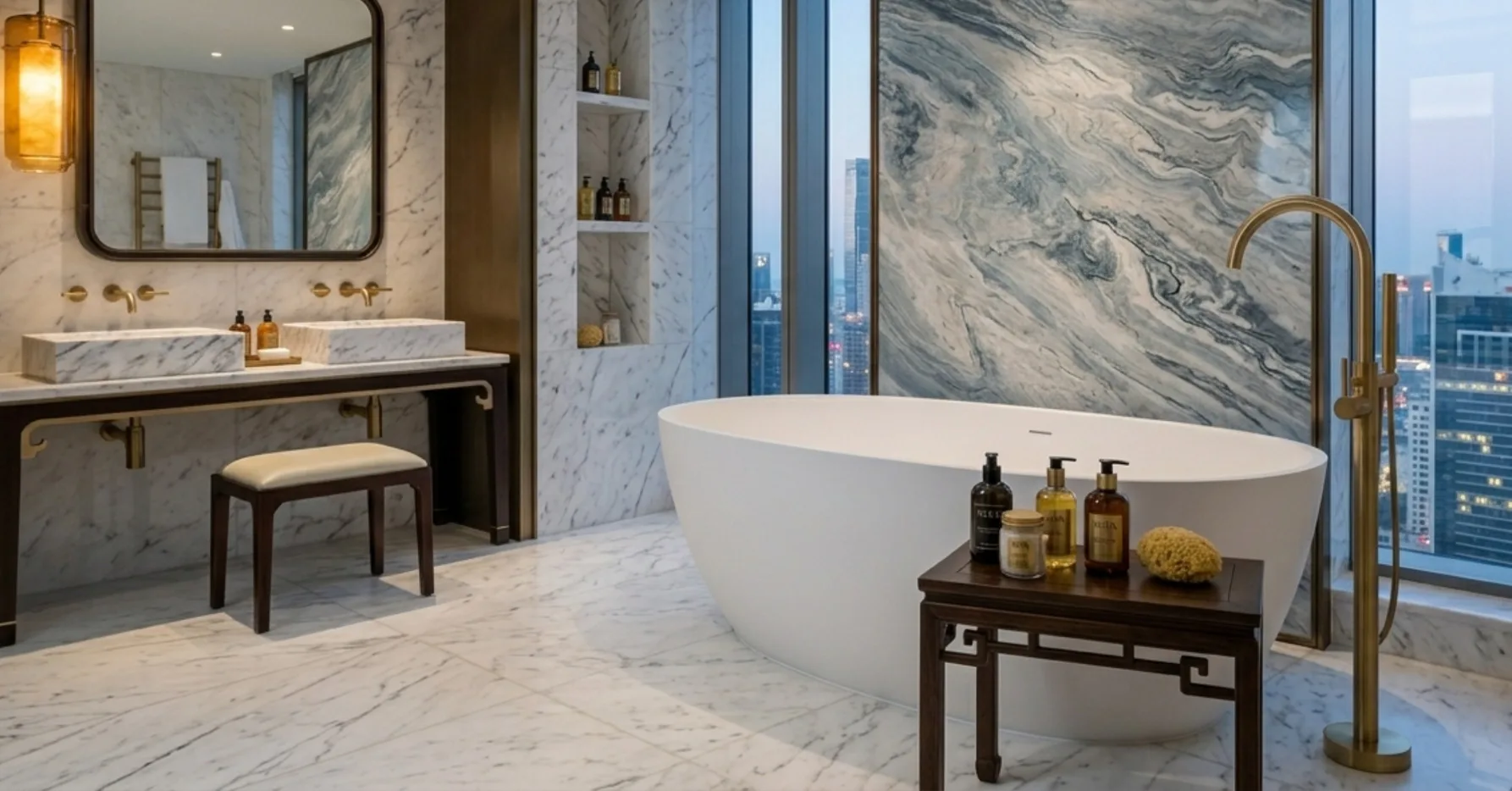
Stone resin composites offer a dense, premium feel at a lower weight than natural stone. Natural stone — marble, granite, onyx — carries significant prestige value but requires ongoing sealing, reacts poorly to acidic cleaning products, and involves supply chain complexity that makes large-scale procurement unpredictable. These materials are typically reserved for flagship suites rather than deployed across a full property.
Criteria That Actually Matter for Hotel Bathtub Procurement
| Criteria | Why It Matters to Procurement |
|---|---|
| Repairability | Surface damage is inevitable at commercial scale. Materials that can be repaired in-room reduce replacement costs and minimize room downtime. |
| Chemical resistance | Housekeeping teams use industrial-grade cleaners. Finish degradation from incompatible chemicals accelerates replacement cycles. |
| Customization range | Brand-standard dimensions and finishes may not match catalog products. Custom fabrication capacity at the manufacturer level determines whether a spec can be executed faithfully. |
| Lead time and logistics | For large-scale fit-outs or phased renovations, reliable production schedules and freight-ready packaging reduce project risk. |
| Total cost of ownership | Upfront fixture cost is one line item. Maintenance labor, repair frequency, and replacement timeline determine actual cost over a multi-year asset lifespan. |
| OEM/ODM capability | Properties with proprietary design standards benefit from manufacturers who can work from custom drawings or brand specifications. See OEM/ODM bathroom fixtures for what this involves in practice. |
How Solid Surface Addresses Hospitality-Specific Requirements

Solid surface has gained ground in hotel specification precisely because it resolves several operational pain points simultaneously. Its non-porous structure resists the moisture and bacteria accumulation that is a compliance concern in commercial bathroom environments. Its uniform composition means there is no substrate layer to delaminate, no enamel coating to chip, and no gel coat to oxidize.
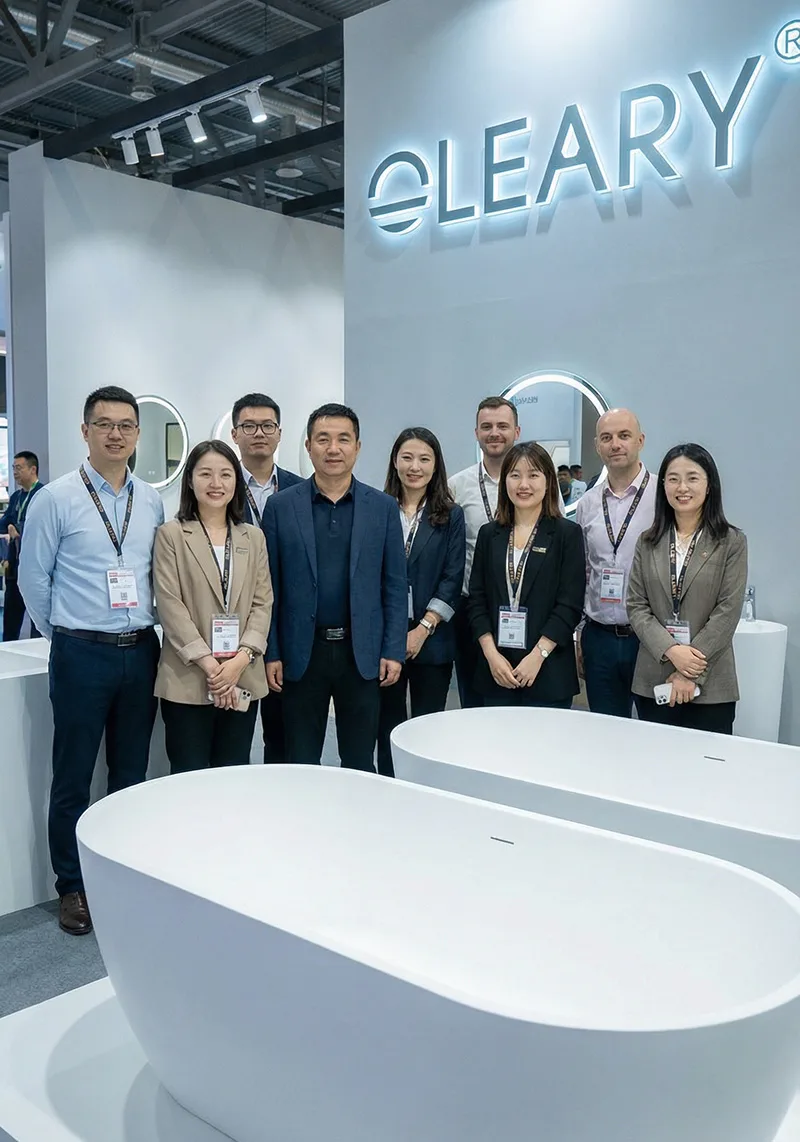
From a procurement standpoint, working with a manufacturer like OLEARY who specializes in custom solid surface for hospitality means the specification process can start from a property's actual requirements rather than from a supplier's stock range. Drain placement, overflow height, rim profile, and finish texture are variables that can be controlled at the fabrication stage — reducing the field modifications and custom millwork that often inflate installation costs.
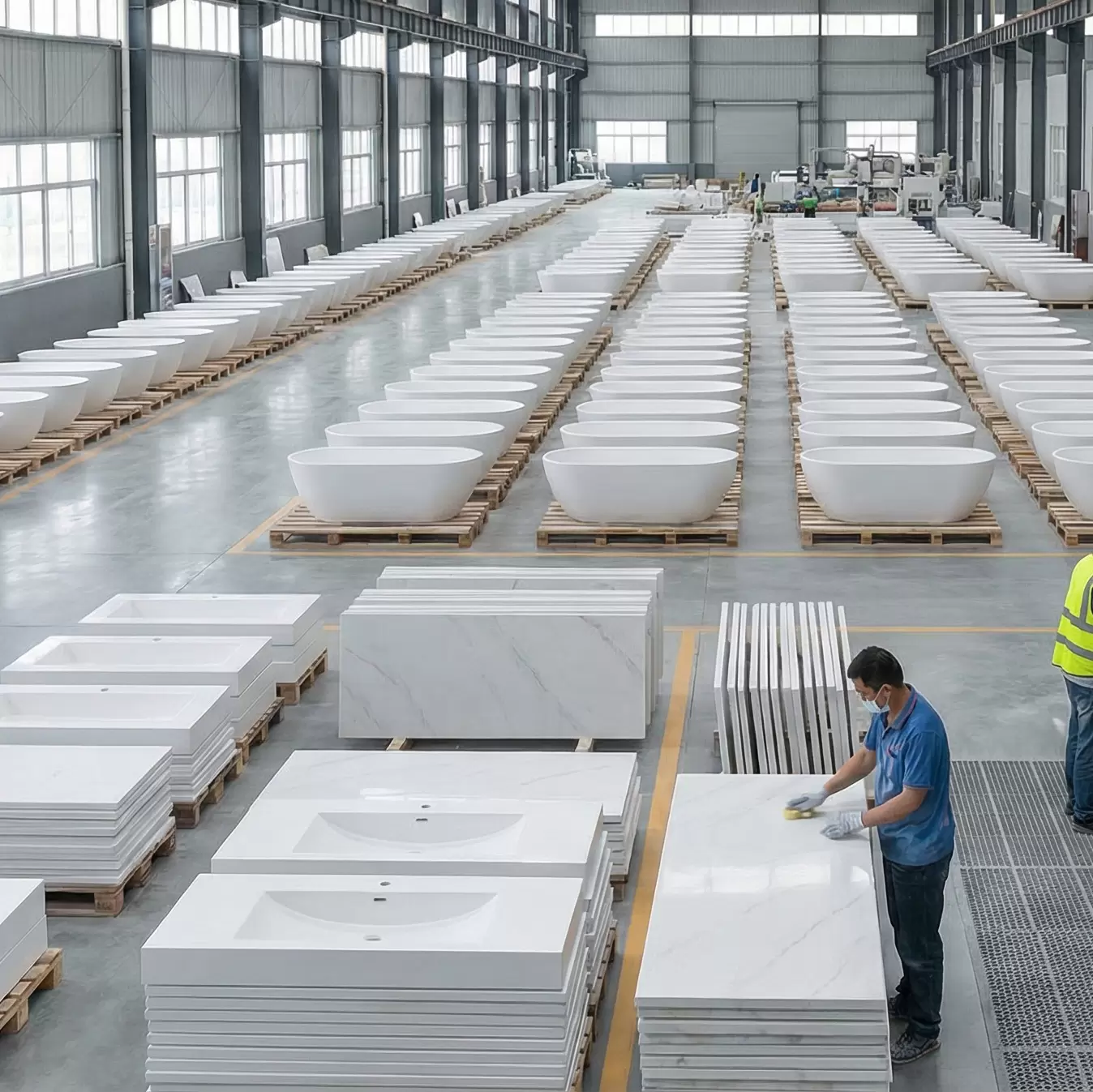
For procurement teams managing a phased renovation or a multi-property rollout, consistent production quality across batches is a practical requirement, not a marketing claim. Solid surface fabrication is a repeatable process, which supports consistency in a way that hand-finished natural stone cannot reliably match at volume.
Structuring the Vendor Evaluation Process
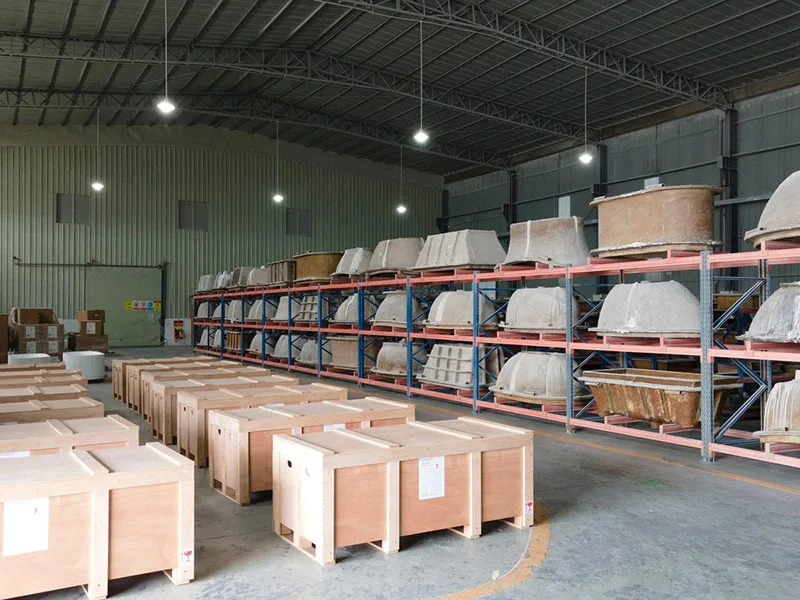
Once a material category is selected, vendor evaluation should focus on fabrication capability, quality control processes, sample availability, and project references from comparable hospitality contexts. A manufacturer experienced in hotel projects will understand the documentation requirements — shop drawings, installation specifications, maintenance guides — that a general contract requires.
It is also worth establishing early whether a supplier can support both OEM/ODM bathroom fixtures production for branded specifications and standard catalog supply for replacement units. Procurement teams that plan for the full asset lifecycle avoid the situation where a fixture specified during a renovation becomes unavailable when a replacement unit is needed five years later.
If you are in the early stages of a hotel fit-out or renovation project and evaluating solid surface bathtubs and basins, request a hotel project quote from OLEARY to discuss specifications, lead times, and fabrication options specific to your property's requirements.