

Solid Surface Bathtubs for Hospitality: Durability Under Heavy Turnover
Solid surface bathtubs hold up under hotel turnover because they combine a non-porous, refinishable material with construction built for repeated daily use. Commercial-grade versions use thicker walls and reinforced bases to absorb the impact and load cycles that would degrade lighter residential fixtures — and when damage does occur, the surface can be restored on-site rather than replaced.
What "Commercial-Grade" Actually Means for Solid Surface
Procurement teams frequently ask this question — and the answer matters when writing specifications. Commercial-grade solid surface bathtubs use the same material family as residential versions, so the chemistry and surface behavior are identical. The difference is structural: commercial-grade solid surface bathtubs combine the same non-porous material with thicker walls and reinforced bases — the difference is in how much abuse the construction tolerates.
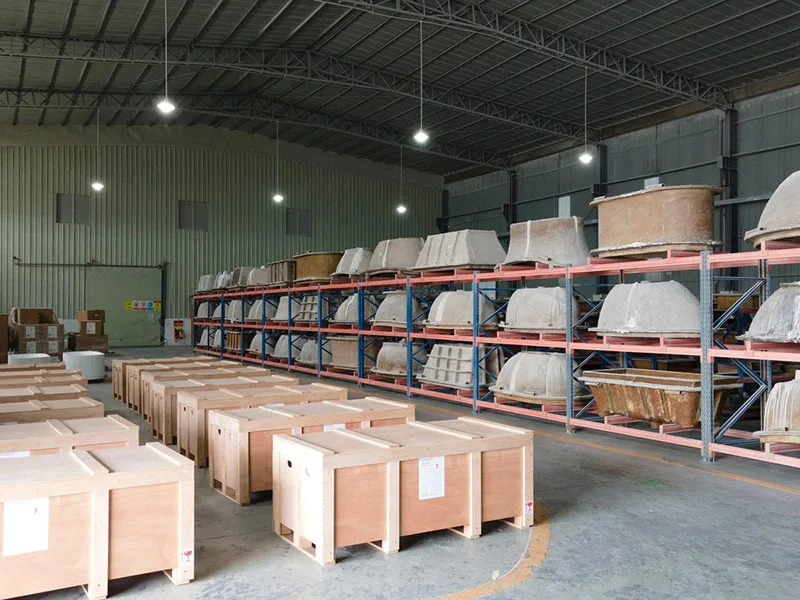
In practice, a hotel bathtub endures conditions a residential tub never faces: repeated impact from housekeeping equipment, guests sitting on the rim, cleaning cycles multiple times per day, and the cumulative stress of high occupancy across years of service. Thicker walls resist cracking and flexing under those load patterns. Reinforced bases prevent stress fractures at the points where the tub contacts its support structure. These are not marketing distinctions — they are dimensional and structural specifications that should appear in your procurement documents when sourcing through OLEARY or any qualified solid surface fabricator.
Why Non-Porous Surfaces Matter at Scale
A single-property operator can work around a high-maintenance surface. A portfolio operator cannot. When you multiply housekeeping labor across hundreds of guestrooms, the cleaning protocol for each fixture type compounds quickly into real cost.
Non-porous surfaces matter at scale because housekeeping staff can sanitize quickly without aggressive chemicals that damage coated tubs. Coated cast iron or acrylic tubs rely on an outer layer for their appearance and protection — that layer degrades with repeated exposure to strong disinfectants, requiring more careful (and slower) cleaning procedures or eventual refinishing of the coating itself. Solid surface has no coating to protect. The material is consistent through its depth, so staff can clean efficiently with standard hospitality-grade disinfectants and move on.
Across a large property or a brand portfolio, that difference in dwell time, chemical cost, and labor per room adds up. It also reduces the risk of surface degradation caused by cleaning protocol variation — an ongoing problem in properties with high housekeeping staff turnover.
Refinishing: The Operational Advantage That Changes the Calculus
Even well-specified bathtubs sustain damage in service. A dropped piece of luggage, a housekeeping cart impact, a chip from a handheld showerhead — these are operational realities, not failures of material selection. The question is what happens next.
With coated or enameled tubs, visible damage typically means ordering a replacement unit, scheduling removal, managing the logistics of delivery to a guestroom floor, and keeping that room out of inventory for days or weeks. With solid surface, refinishing on-site is the single biggest operational advantage in hospitality: a damaged tub can return to service within a day instead of being out for weeks.

On-site refinishing works because solid surface is a homogeneous material — there is no coating to match or reapply. A technician sands, buffs, and restores the surface to its original appearance using standard refinishing methods. The result is a tub that re-enters rotation quickly, with no visible evidence of the repair and no waiting on supply chain lead times.
For a revenue manager, this translates directly: a guestroom generating nightly revenue recovers in roughly one day of downtime rather than several. For a facilities director, it means a lighter spare parts inventory and more predictable maintenance scheduling.
Specifying Solid Surface for a Hotel Project
When building a specification for hotel bathroom renovation or a new-build program, there are a few areas where solid surface procurement differs from standard fixture sourcing.
- Wall thickness and base construction: Specify commercial-grade explicitly. Residential-grade products from the same material family will not perform the same way under daily hotel turnover. Confirm these dimensions with your fabricator in writing.
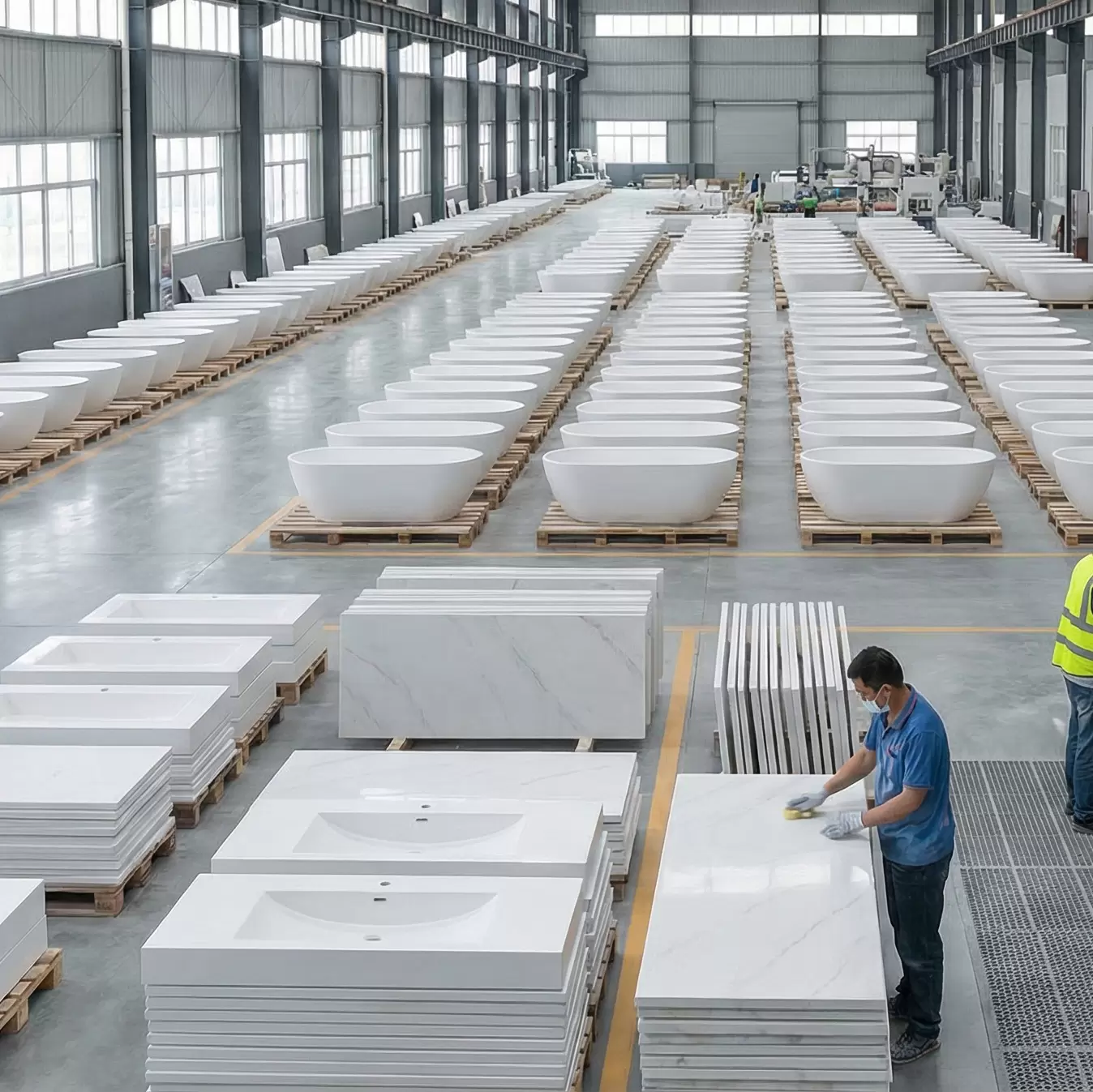
- Custom dimensions: Many hotel bathroom footprints — particularly in renovation projects — do not align with standard residential tub dimensions. Custom solid surface fabrication allows exact sizing without the lead time penalties that custom orders carry in other material categories.
- Color and finish consistency: For multi-property brands, maintaining finish consistency across a renovation program requires a fabricator who can hold color specifications across production runs. This is a standard capability for solid surface but worth confirming when issuing a request for proposal.
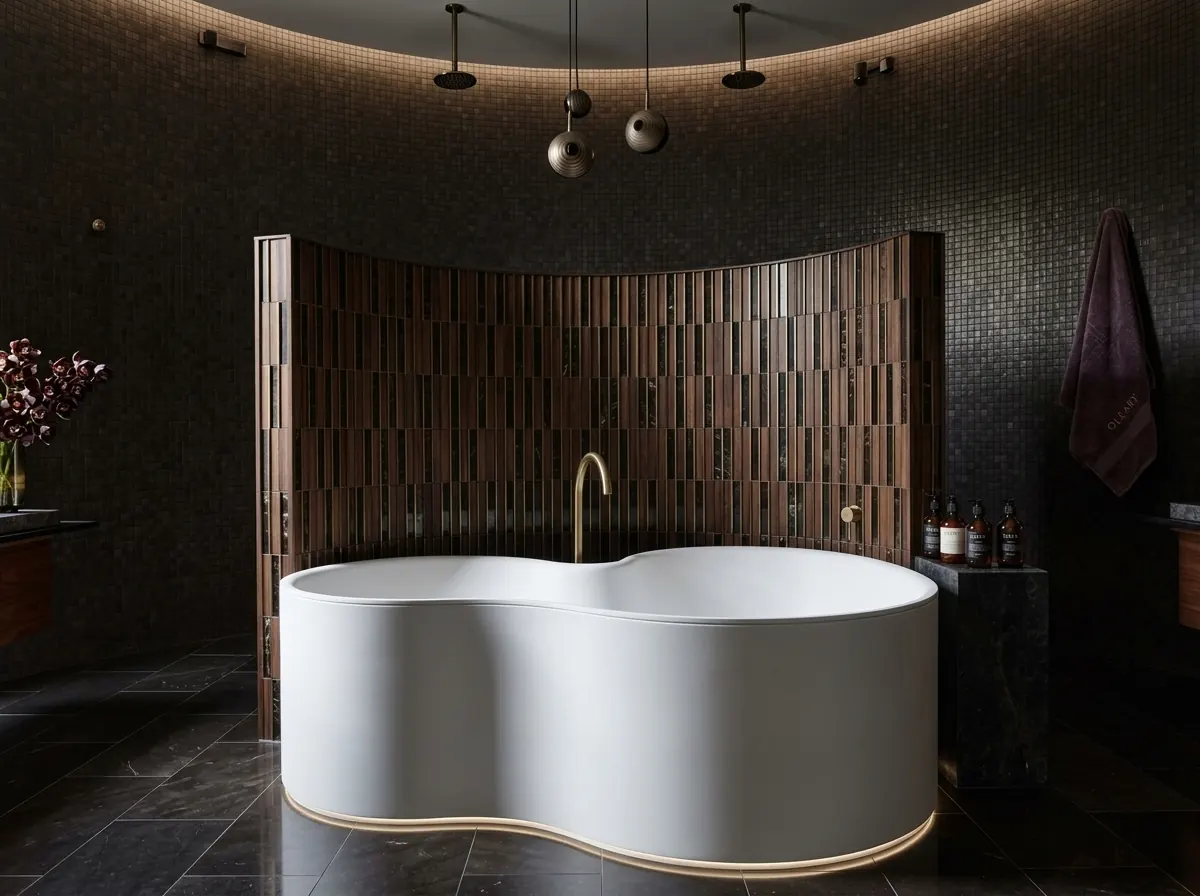
- OEM and ODM flexibility: Properties with branded or signature bathroom programs may require fixture designs that are not available in standard catalogs. OEM/ODM bathroom fixtures in solid surface can be developed to match a brand's design language while meeting commercial-grade structural requirements.
Evaluating Total Cost, Not Unit Cost
The per-unit price of a commercial-grade solid surface bathtub is typically higher than a coated acrylic or pressed-steel alternative. Procurement decisions based on unit cost alone will favor that comparison. Decisions based on total cost of ownership — factoring in cleaning labor, chemical costs, refinishing versus replacement frequency, and guestroom downtime per incident — tend to produce a different outcome.
The material's durability under repeated use, the speed of on-site repair, and the reduction in replacement logistics are all quantifiable against a property's operating model. For high-occupancy properties and brand portfolios with consistent design standards, those factors consistently favor solid surface over the alternatives.
If you are developing specifications for an upcoming project or evaluating options for a renovation program, request a hotel project quote from OLEARY to review commercial-grade construction options and lead times for your specific requirements.