




Matching Your Bathtub and Vanity Countertop: Design Tips for a Cohesive Look
Matching your bathtub and vanity countertop does not require an exact replica of color or texture — it requires visual harmony. The most cohesive bathrooms pair fixtures that share a common material language, tone family, or finish, while allowing each piece to hold its own presence. Exact matching is one valid approach; intentional contrast is equally effective when handled with discipline.
The Case for Matching vs. the Case for Contrast
Homeowners frequently ask whether their tub and vanity should match exactly or deliberately contrast. The honest answer is that both strategies work — what separates a polished result from a disjointed one is intentionality, not the choice itself.
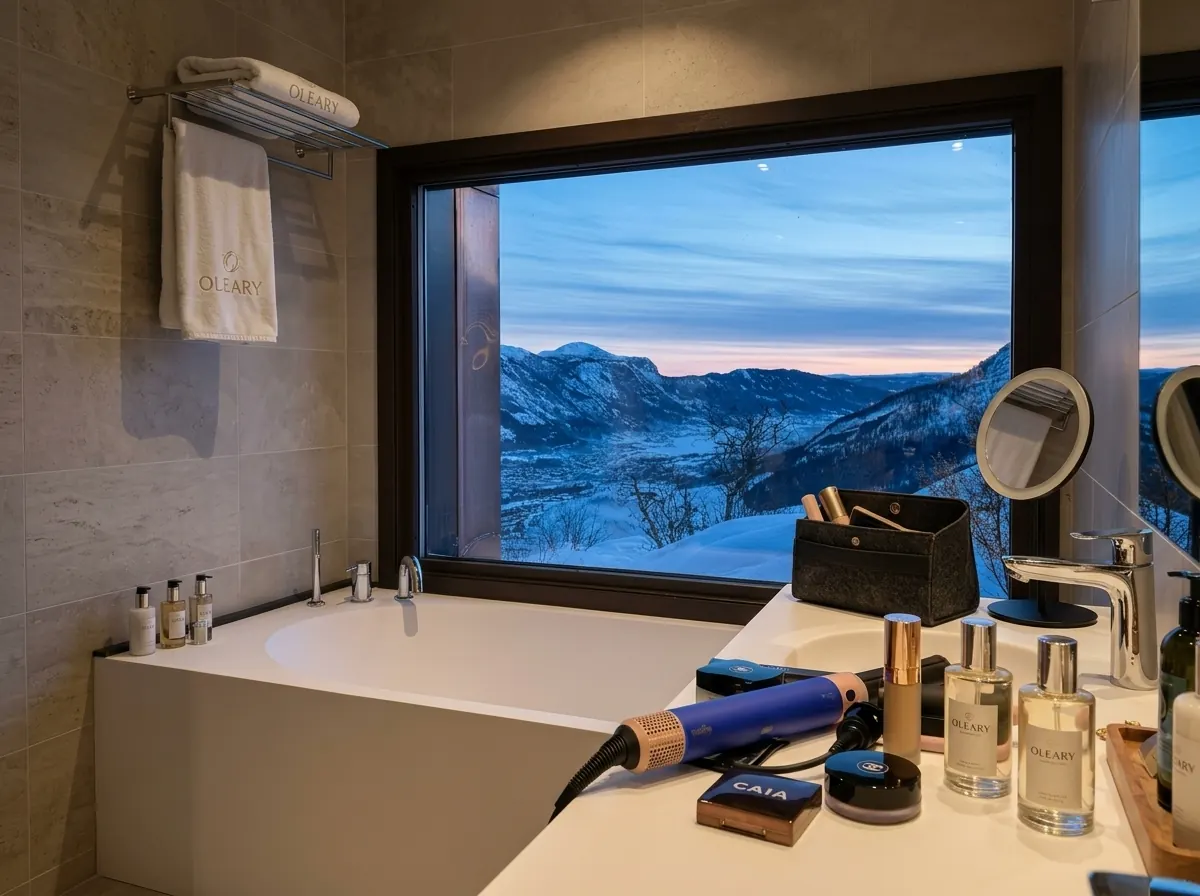
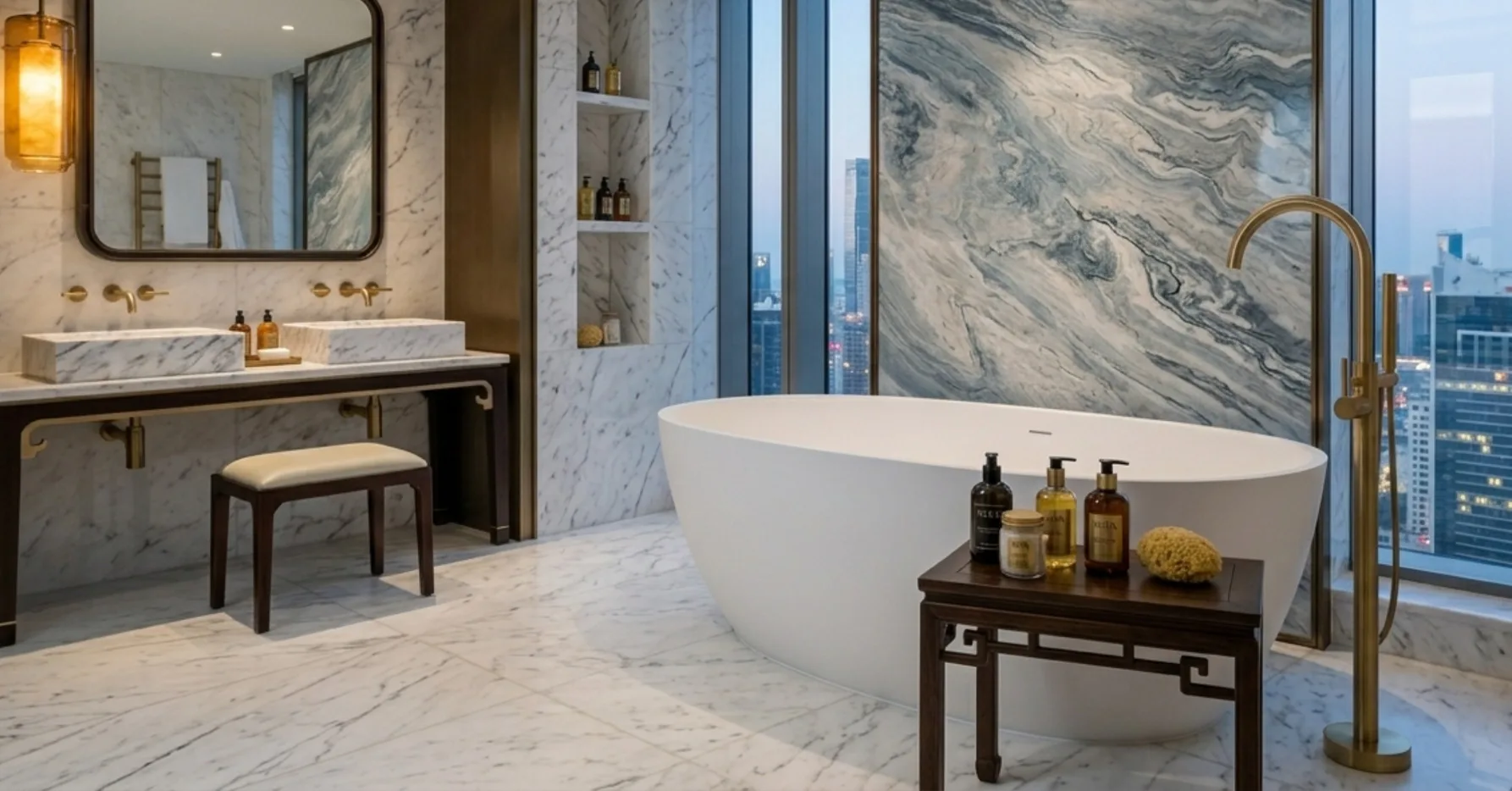
Exact or tonal matching creates a spa-like sense of calm. When a custom solid surface bathtub and a coordinating undermount sink and vanity countertop share the same material family — say, a warm white solid surface in both — the eye moves through the room without interruption. This approach works especially well in smaller bathrooms, where visual continuity makes the space read as larger.
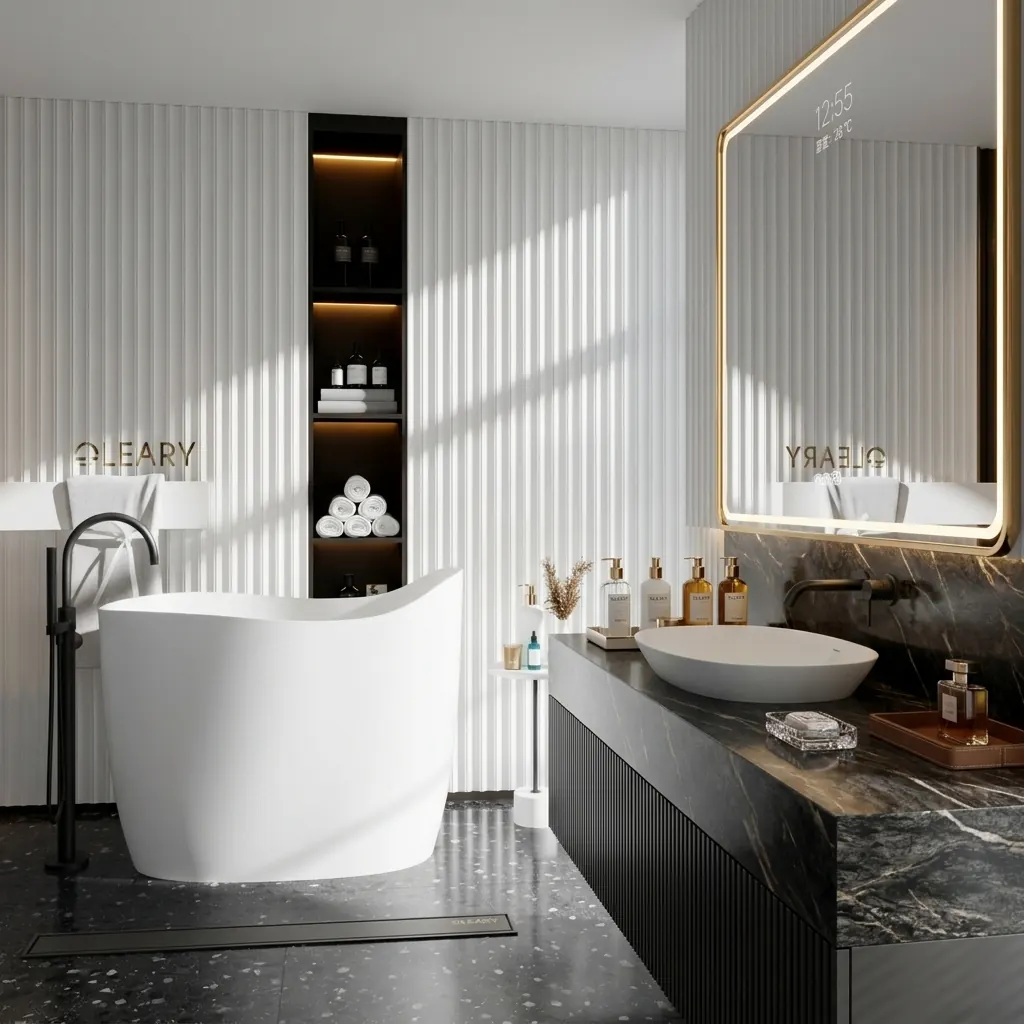
Intentional contrast introduces depth and personality. A matte white solid surface tub alongside a vanity countertop in a warm greige or soft stone tone creates a layered palette without clash, provided the undertones are compatible. The key word is intentional: contrasting fixtures need a unifying thread — shared undertone, complementary finish on the fittings, or a consistent tile or wall treatment that bridges them.
Start With Material, Then Consider Color
Before choosing a color palette, decide on your material direction. Solid surface is a strong starting point because it is available in a wide range of tones and finishes, non-porous, and fabricated to custom dimensions — meaning your bathtub and vanity countertop can be engineered to precise sizes that suit your layout rather than adapted around a stock product.
Once your material is chosen, work through color in this order:
- Undertone first. Warm whites (creamy, ivory) and cool whites (blue-grey, bright white) do not mix well. Establish your undertone direction and apply it consistently to both the tub and countertop.
- Value second. You can use the same undertone family across both fixtures at different values — a lighter countertop against a slightly deeper tub, for instance — to add dimension without breaking cohesion.
- Finish last. Matte surfaces read softer and more contemporary; semi-matte or smooth finishes read more classical. Align the finish character across your tub and countertop, even if the colors differ slightly.
How Fittings and Hardware Tie the Room Together
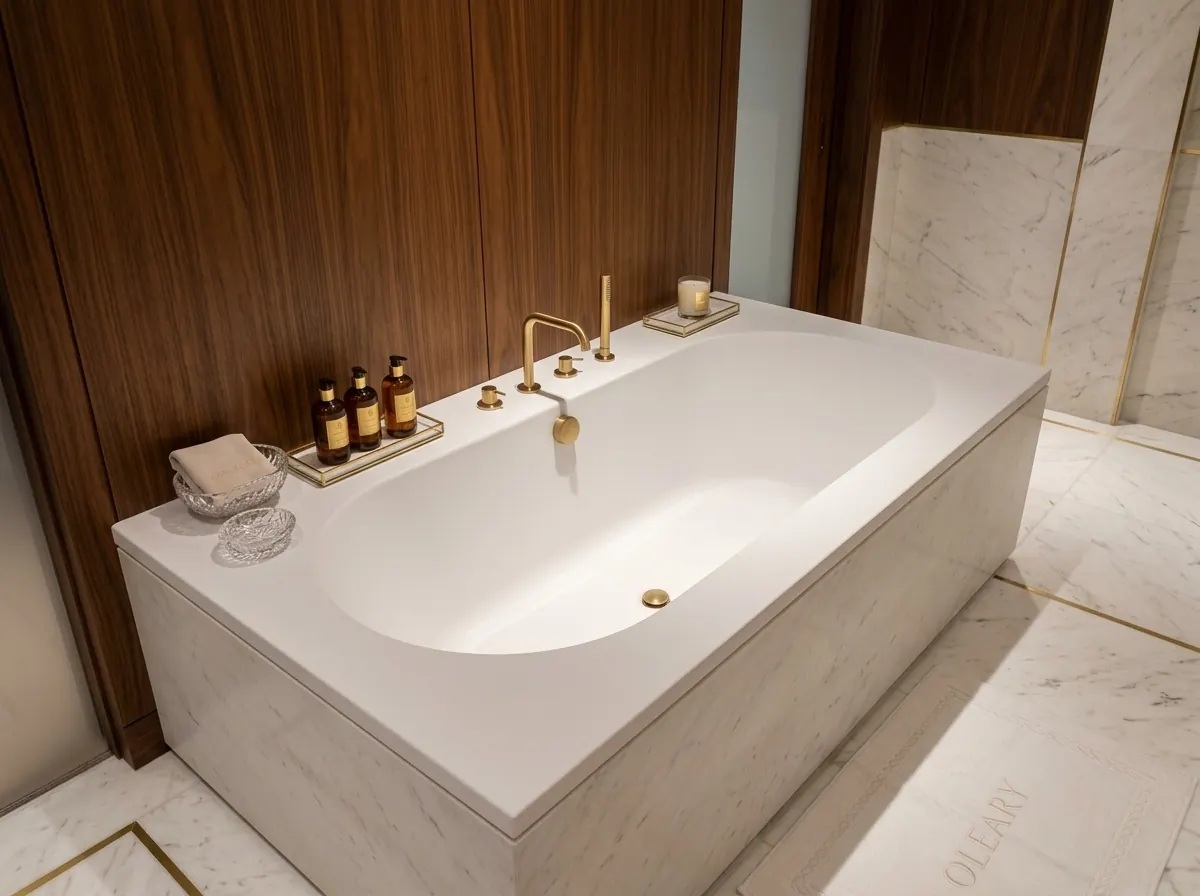
Hardware finish is the connective tissue of a bathroom. When a bathtub filler and basin faucet share the same metal — brushed gold, polished chrome, matte black — the room holds together even if the tub and vanity countertop are in different tones. This is one of the most practical tools for coordinating bathroom fixtures design without requiring every surface to be identical.
The photo above demonstrates this clearly: a built-in white solid surface tub with brushed gold fittings reads as deliberate and refined, with the warm metal bridging the white fixture to the surrounding walnut paneling. The fittings unify what could otherwise be disparate materials.
Built-In vs. Freestanding: Does Placement Change the Rules?
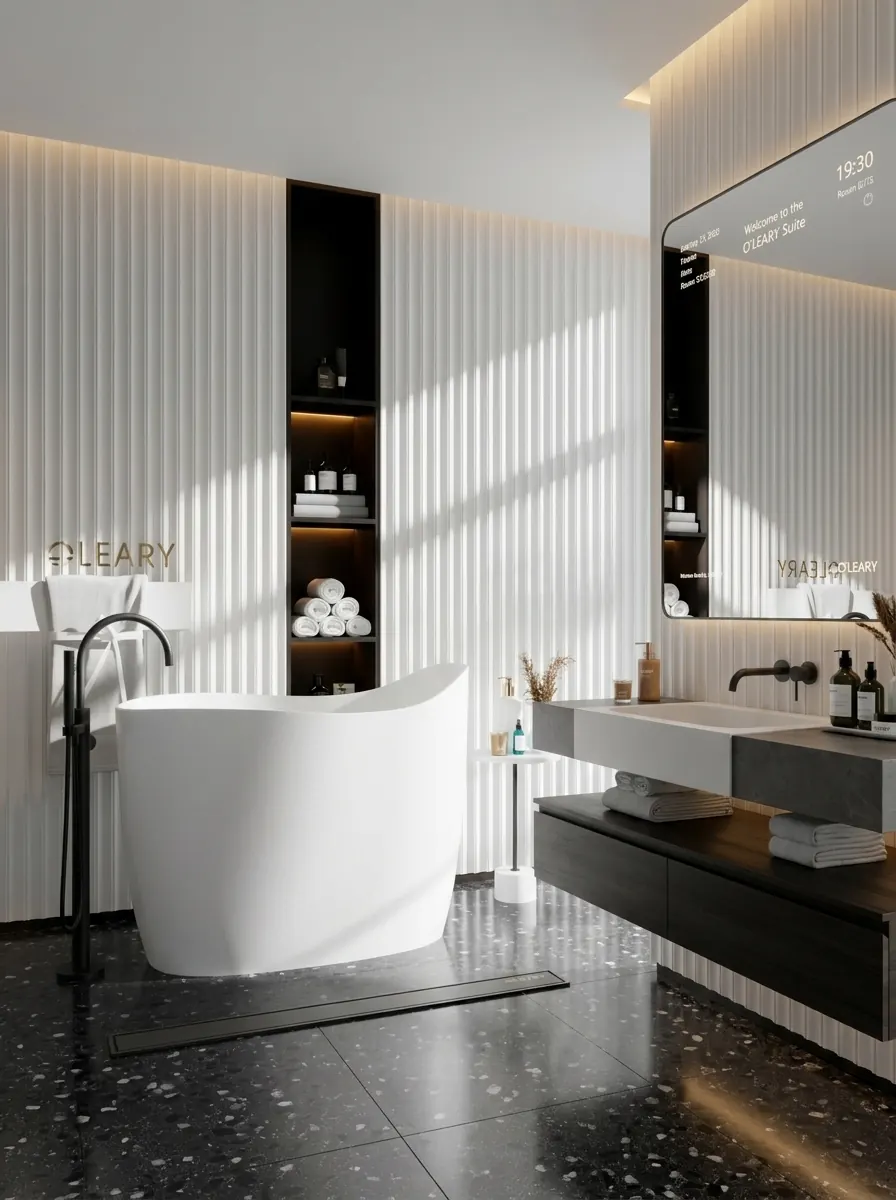
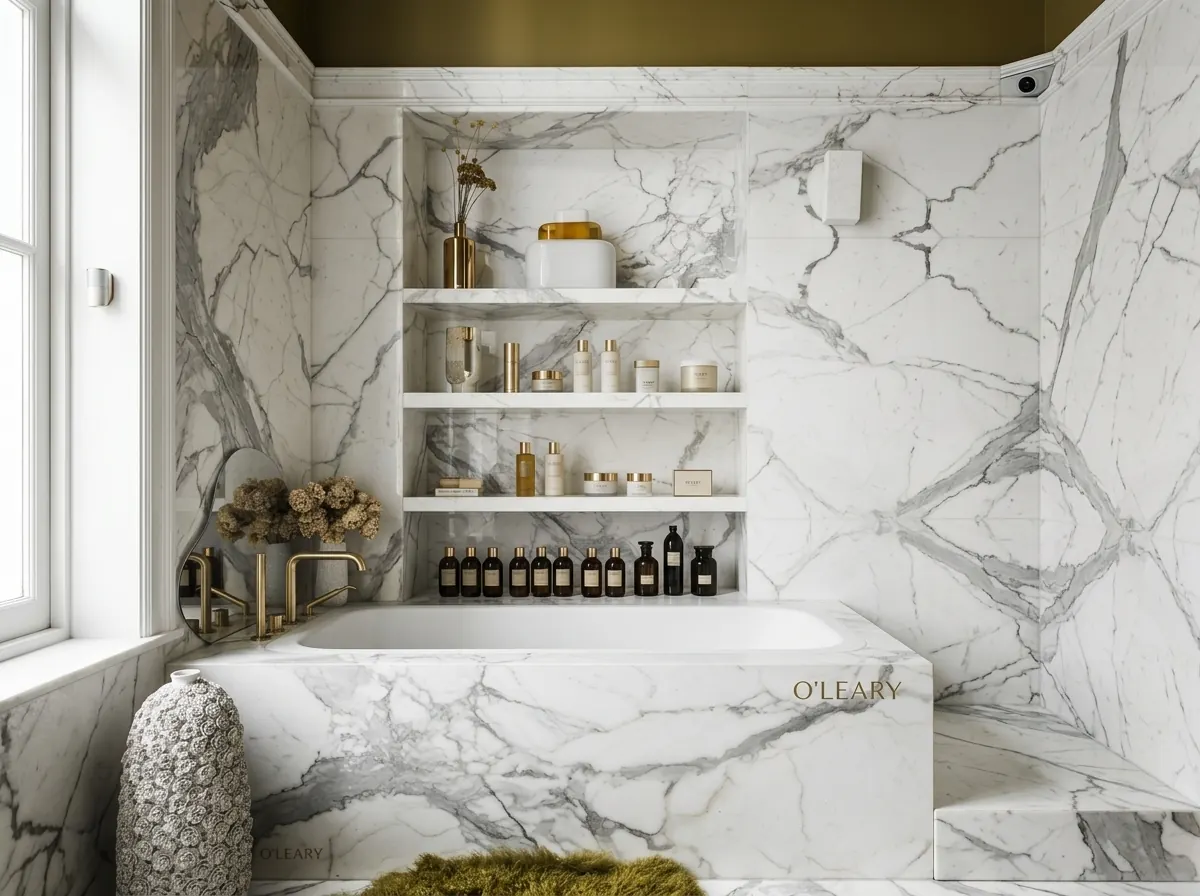
Placement affects how prominently the tub reads relative to the vanity. A freestanding bathtub is a sculptural focal point — it occupies visual space independently and therefore tolerates more contrast with the vanity. A built-in tub, surrounded by wall cladding or tile, borrows material context from its surround, which means the countertop and tub do not need to carry the full design relationship alone.
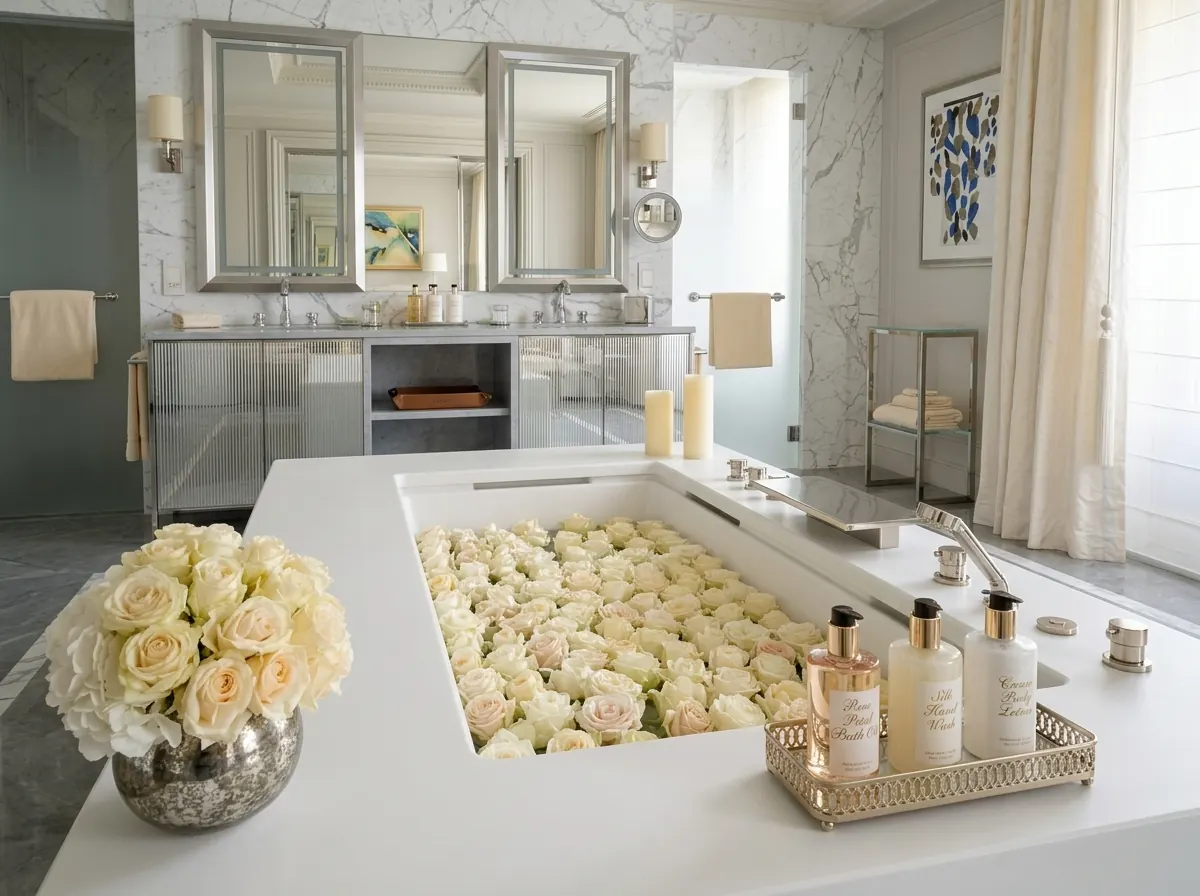
The image above shows a built-in tub with continuous marble wall cladding: the surround material extends to shelving and wall treatment, creating a unified envelope. In this context, the vanity countertop can echo the marble or complement it — both are defensible because the room already has a dominant material narrative.
Practical Design Principles for Coordinating Bathroom Fixtures
Below are the guiding principles that consistently produce cohesive results in both residential and hospitality bathrooms:
- Limit dominant materials to two or three. Beyond that, surfaces begin competing. A solid surface tub and countertop, a tile floor, and a wall treatment — that is a complete palette.
- Repeat, don't clone. Use the same material or tone in at least two places in the room to make each appearance feel deliberate rather than accidental.
- Treat grout and edge profiles as design decisions. A thin, matching grout line and a clean countertop edge profile can be as unifying as the surface color itself.
- Sample materials together under your bathroom's actual lighting. Artificial lighting changes undertones significantly. A cool-white vanity countertop and a warm-white tub that look compatible in a showroom may read as mismatched under your specific fixture.
- Consider sightlines. In an open-plan bathroom, the tub and vanity are often visible simultaneously. In a compartmentalized layout, they may never be seen together — which relaxes the matching requirement considerably.
Working With a Custom Manufacturer
One practical advantage of working with a custom manufacturer like OLEARY is the ability to specify both the bathtub and vanity countertop from the same material range. This removes the guesswork of sourcing separately and reduces the risk of undertone or finish mismatch. Custom fabrication also means dimensions are determined by your space, not by a standard catalog size.
If you are planning a renovation and want to see how different solid surface tones and configurations work together, the bathroom fixtures catalog provides a useful reference for current offerings across both bathtub and countertop ranges. For a project-specific assessment, you can request a quote with your layout dimensions and material preferences.
Cohesive bathroom design comes down to a clear material strategy, consistent undertones, and hardware that threads the room together. Whether you match your tub and countertop exactly or contrast them deliberately, the result holds when every decision traces back to the same design logic.