


How to Plan a Full Bathroom Renovation: Budget, Timeline, and Materials
A full bathroom renovation moves through five phases — design, demolition, rough-in plumbing and electrical, surface installation, and fixture installation. Realistic timelines range from a few weeks for a cosmetic refresh to several months for a full gut renovation. Budget allocation should protect waterproofing, plumbing rough-in, and custom pieces first; decorative finishes can flex.
Where Do You Even Start?
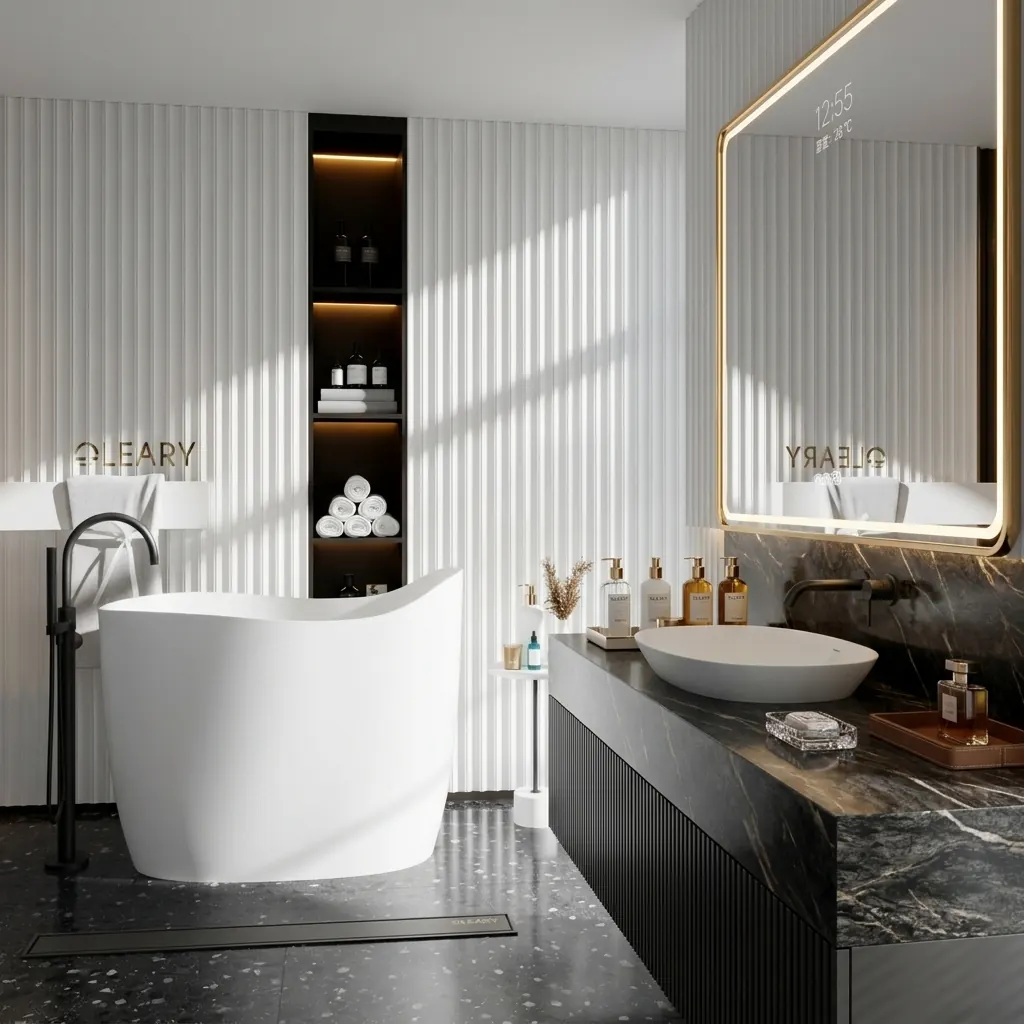
The answer is design — not demolition, not shopping for tile. Before a single contractor sets foot in your bathroom, you need a clear picture of the finished space: layout, fixtures, finishes, and the order in which decisions feed each other. Starting with design also forces the question that catches most homeowners off guard: which items have long lead times?
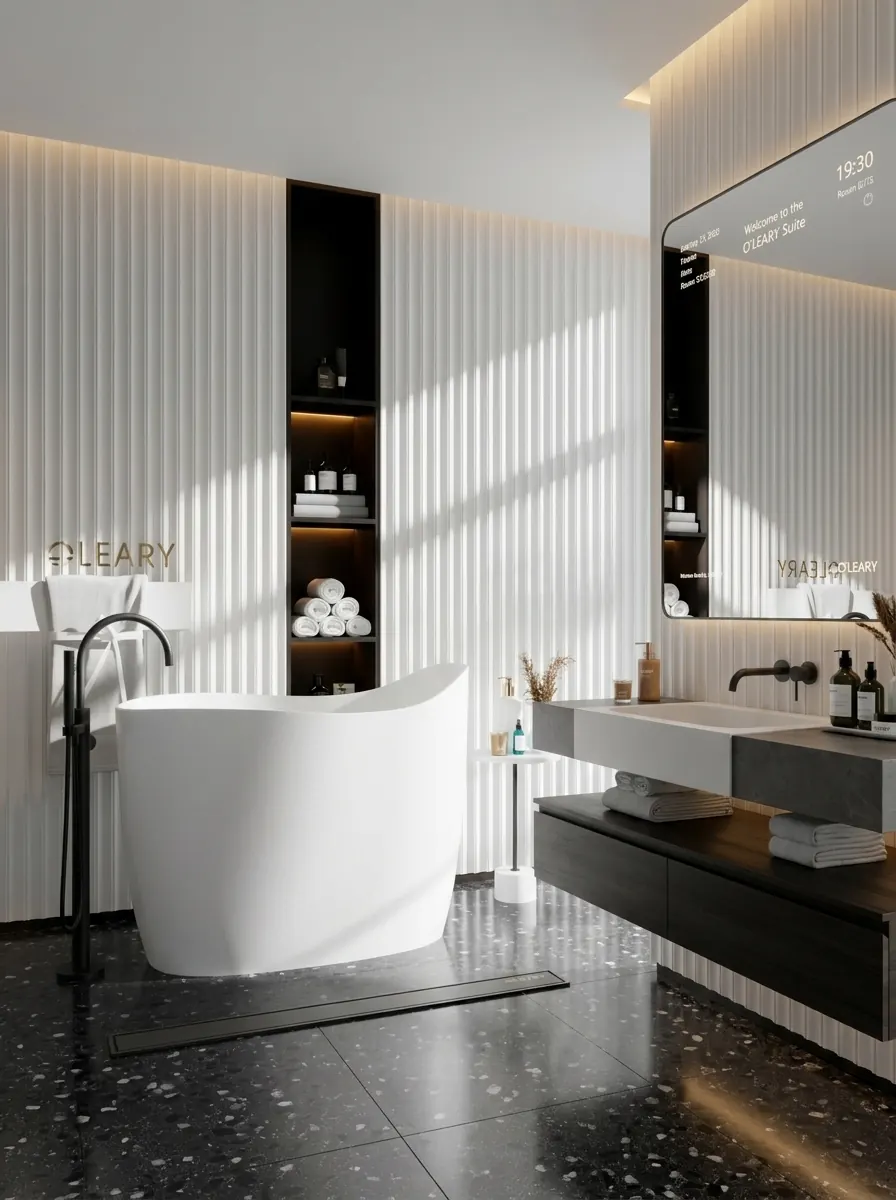
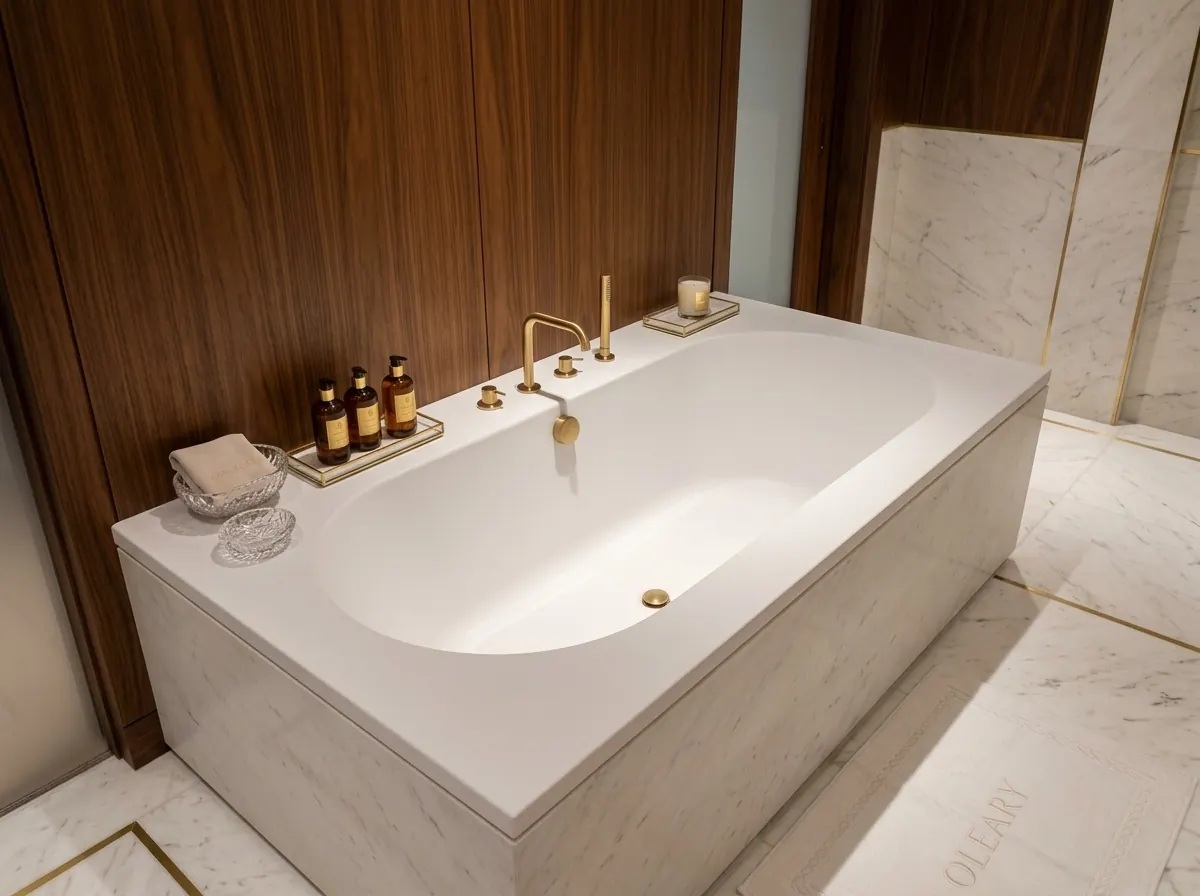
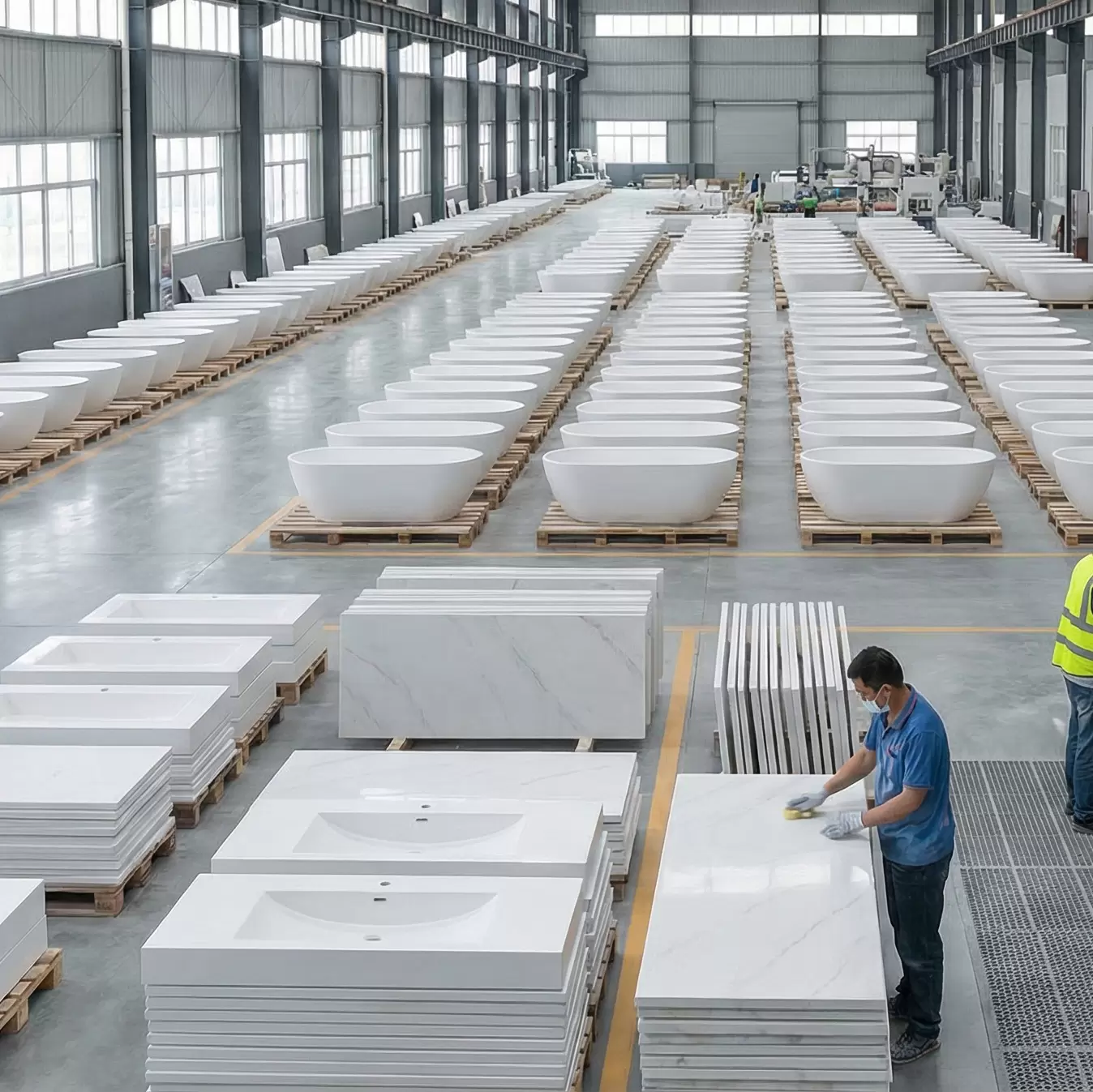
Custom pieces — a custom solid surface bathtub, a undermount sink or vanity countertop, an integrated basin — are fabricated to your dimensions and specifications. They cannot be pulled off a warehouse shelf. The single biggest timeline variable in a bathroom renovation is the lead time of the custom pieces — order the tub, vanity top, and basins before scheduling the trades.
Browse the full bathroom fixtures catalog from OLEARY early in your design phase, and get your selections confirmed before you finalize a contractor schedule.
The Five Phases of a Bathroom Renovation
1. Design and Procurement
This phase defines everything downstream. Work with a designer or plan independently, but either way, produce a dimensioned layout, a fixture schedule, and a finishes list before moving on. Procurement — placing orders for custom pieces — happens here, not later. A realistic bathroom renovation plan allocates time up front to design and procurement, because reordering custom pieces later is what blows up schedules.
2. Demolition
Existing fixtures, tile, drywall, and flooring come out. Demolition is fast relative to other phases, but it routinely surfaces hidden conditions: old plumbing, inadequate waterproofing, or subfloor damage. Budget a contingency for discoveries made at this stage.
3. Rough-In Plumbing and Electrical
This is where your new layout gets built into the structure. Drain and supply lines are repositioned if needed; electrical circuits are run to code. Work at this phase must be inspected before walls close, so sequencing matters. Protecting your rough-in budget from cuts is non-negotiable — compromises here create expensive problems after surfaces are finished.
4. Surface Installation
Waterproofing membranes, backer board, tile, and flooring go in at this stage. Waterproofing is the other budget item that should never flex. A failed membrane inside a finished wall costs far more to remediate than it would have cost to specify correctly the first time.
5. Fixture Installation
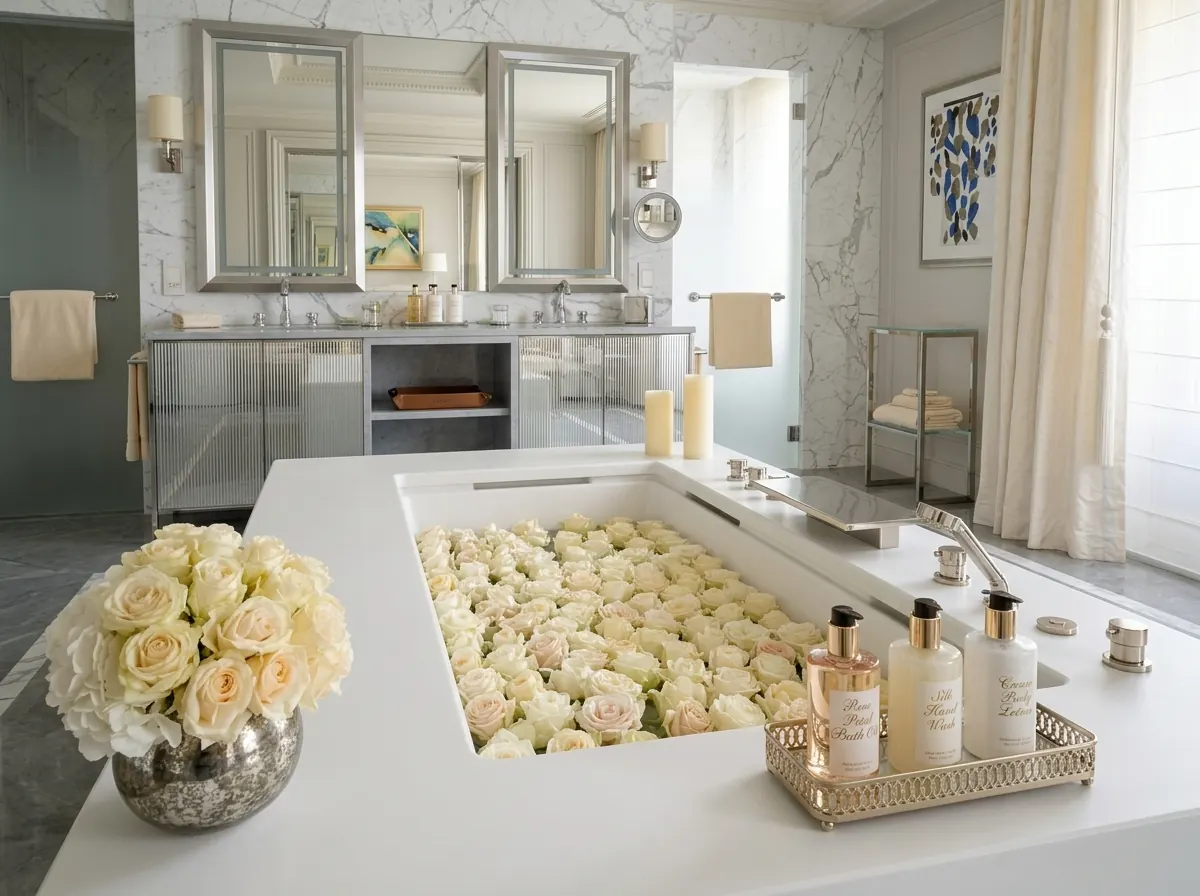
Custom pieces land here: the freestanding bathtub, vanity top, and basins are set, plumbing is connected, and the room comes together. Because custom fabrication takes time, this phase cannot begin until those pieces arrive — which is exactly why procurement in Phase 1 drives the entire schedule.
How Long Will It Take?
The honest answer depends on the scope and, critically, on when you order. A cosmetic refresh — new fixtures, paint, accessories — can wrap in a few weeks. A full gut renovation with custom pieces runs several months when you account for design, fabrication lead time, and on-site construction.
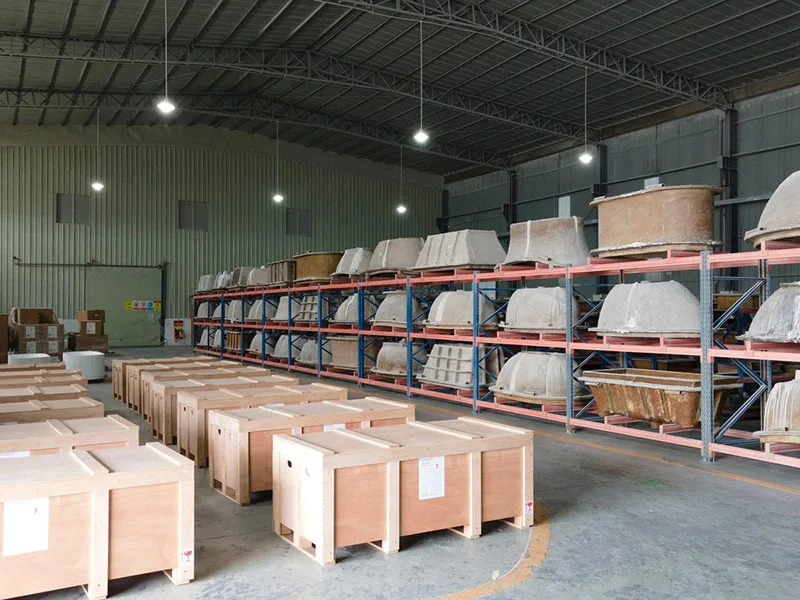
The construction schedule of a full bathroom renovation is usually driven by custom-piece lead times, not by on-site work. The trades themselves — demo, rough-in, tile, installation — may represent only a fraction of the total elapsed time. The weeks between placing a custom fabrication order and receiving confirmed delivery often set the earliest possible finish date. Plan around that number, not around the on-site calendar alone.
| Renovation Scope | Typical Timeline Driver | Budget Priority |
|---|---|---|
| Cosmetic refresh | Contractor availability | Fixtures and finishes |
| Partial renovation (fixtures + surfaces) | Custom piece lead times | Waterproofing, custom pieces |
| Full gut renovation | Custom piece lead times + rough-in sequence | Plumbing rough-in, waterproofing, custom pieces |
Budget: What to Protect and What Can Flex
Not every line in a renovation budget carries equal risk if trimmed. Waterproofing, plumbing rough-in, and custom pieces are the three categories to protect. Cutting any of them creates either a structural problem or a scheduling crisis. Decorative finishes — tile patterns, hardware finishes, paint — offer the most flexibility without compromising the project's integrity.
When evaluating where to reduce costs, start at the decorative layer and work inward only if necessary. Avoid the reverse.
Materials: Why Solid Surface Belongs on Your Shortlist
Solid surface is a non-porous, homogeneous material that does not require sealing, resists staining, and can be fabricated to precise dimensions — including integrated drain placements, custom basin depths, and matched vanity tops. For both residential renovations and hospitality projects, those properties reduce long-term maintenance without sacrificing a clean, high-end appearance.
OLEARY manufactures custom solid surface bathtubs, vanity tops, and undermount basins to order. Because each piece is made to specification, dimensions and edge profiles match your design intent rather than forcing the design to accommodate standard sizes.
If you are in the design phase now, the practical next step is to review the bathroom fixtures catalog and request a quote while your contractor schedule is still open. That sequence — design, order, then schedule — is the one most likely to keep your renovation on time.