

Solid Surface vs Acrylic Bathtub: What's the Difference?
A solid surface bathtub is cast as a single homogeneous unit from acrylic resin blended with natural minerals, making it dense, non-porous, and repairable. An acrylic tub is a thin PMMA plastic shell — typically 3–6 mm — vacuum-formed and backed with fiberglass. Solid surface is heavier, warmer to the touch, and more durable; acrylic costs less and weighs significantly less.
Material Construction
The structural difference is the foundation of everything else in this comparison. A solid surface bathtub is the same material all the way through — usually 12–20 mm thick — with no separate coating or gel layer. Acrylic tubs rely on their surface finish for aesthetics and stain resistance. Once that outer layer wears down or crazes, the tub's appearance deteriorates in ways that can't be fully reversed.
Durability and Repairability
This is where the two materials diverge most clearly.
- Solid surface: Surface scratches and minor chips can be sanded out with 220–400 grit sandpaper and polished back to the original finish, because the color and composition run through the full thickness. A well-maintained solid surface tub can last 30+ years.
- Acrylic: DIY scratch repair kits exist, but they fill the surface rather than restore it. Deep scratches, cracks, or crazing — a network of fine surface fractures that develops over time from UV exposure and harsh cleaners — are not truly repairable at home. Most acrylic tubs carry a 5–10 year manufacturer warranty.
Heat Retention
Solid surface retains bathwater heat noticeably better than acrylic. Its mineral-composite density (typically 1.7–2.0 g/cm³) slows heat loss, so water stays warm longer without topping up. Acrylic is a poor thermal conductor as well, but the thinner shell means the tub itself feels colder at first contact and offers less overall thermal mass.
Weight and Installation
- Solid surface: A standard freestanding model weighs 130–220 lbs depending on size and wall thickness. Floor reinforcement may be required in older homes.
- Acrylic: Comparable sizes typically weigh 60–100 lbs, making installation easier and reducing structural requirements. This is a practical advantage for upper-floor bathrooms or alcove / built-in bathtub retrofits.
Aesthetics and Surface Quality
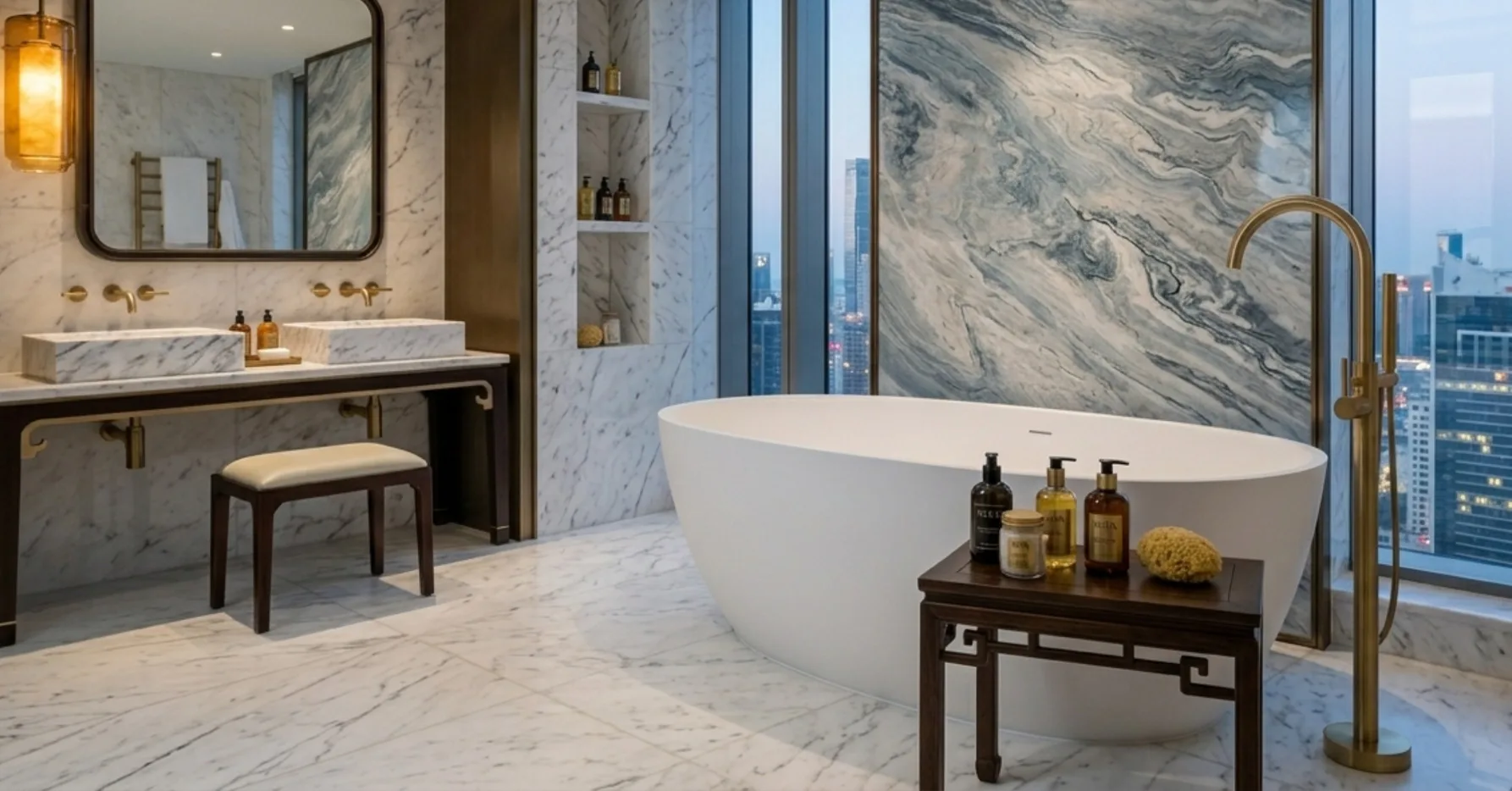
Solid surface has a matte, stone-like appearance that many designers prefer for contemporary and spa-style bathrooms. It doesn't yellow under UV exposure. Acrylic can be produced in a high-gloss finish that looks attractive when new, but UV light and cleaning chemicals can cause gradual yellowing — a common complaint after 7–10 years of daily use. Neither material requires a gel coat, though lower-end acrylic products sometimes use one.
Cost Comparison
- Acrylic: Entry-level tubs start around $300–$600. Mid-range options with reinforced construction run $600–$1,500.
- Solid surface: Expect to pay $1,200–$4,000+ for residential models, with custom bathtubs priced higher depending on dimensions and finish. The higher upfront cost typically translates to a longer usable life and lower long-term replacement cost.
Which Should You Choose?
If you're renovating once and want a tub that holds up to daily use for decades without discoloring or flexing underfoot, solid surface is the stronger investment. If you're working within a tighter budget or need a lightweight solution for a retrofit installation, acrylic is a practical and widely available option. For hospitality projects, designers consistently specify solid surface — see OLEARY's hotel partnership program for volume specifications.
Both materials are available in a wide range of shapes and sizes. If you're unsure which fits your floor plan, the bathtub size guide covers standard and custom dimensions. For sourcing questions, contact us directly.
Related Questions
How long does a solid surface bathtub last compared to acrylic?
A solid surface bathtub typically lasts 30 years or more with normal care, because the material is repairable and doesn't rely on a surface coating. Acrylic tubs generally carry a 5–10 year manufacturer warranty, and most show visible wear — surface crazing, dullness, or discoloration — within 10–15 years of daily use. The longevity gap is largely due to material thickness: 12–20 mm of solid composite vs. a 3–6 mm acrylic shell.
Can you repair scratches on an acrylic bathtub at home?
Light surface scuffs on an acrylic tub can be buffed out with a non-abrasive polish or a dedicated acrylic repair kit available at hardware stores for $15–$40. These products fill and seal minor marks but don't restore the original material — results are temporary. Deep scratches, cracks, or crazing typically require professional reglazing or full tub replacement. Solid surface bathtubs, by contrast, can be sanded and re-polished indefinitely because the material is homogeneous throughout.
Which bathtub material is best for a hotel renovation?
Solid surface is the standard specification for hotel and hospitality projects. It withstands heavy daily use without showing wear, resists staining without a gel coat, and can be refinished on-site rather than replaced — an important factor when minimizing room downtime. OLEARY supplies solid surface wholesale bathtubs to hotel clients through a dedicated hotel partnership program, including custom bathtubs sized to meet specific room layouts and brand standards.