


Industry Brief
The 60-inch double-sink vanity has quietly become one of the most specified bathroom configurations in both high-end residential and hospitality design. A recent roundup from FINE Homes and Living highlighting the top double-sink vanity options for 2026 underscores what procurement teams and interior designers already know: the category has matured well beyond the builder-grade, box-store aesthetic that defined it a decade ago. Today's leading options combine refined proportions, premium surface materials, and integrated sink geometry that reads as a single, coherent design object rather than a cabinet with bowls dropped in.
The 60-inch footprint occupies a practical sweet spot. It fits comfortably in a standard 5-foot bathroom wall run, accommodates two full-size basins without crowding the countertop, and scales appropriately for guest rooms, master suites, and suite-category hotel bathrooms alike. As a result, it has become a default specification in mid-market and upper-upscale hotel new-builds and renovations, where operators need a vanity format that photographs well, functions well under daily guest use, and holds up over a multi-year FF&E lifecycle.
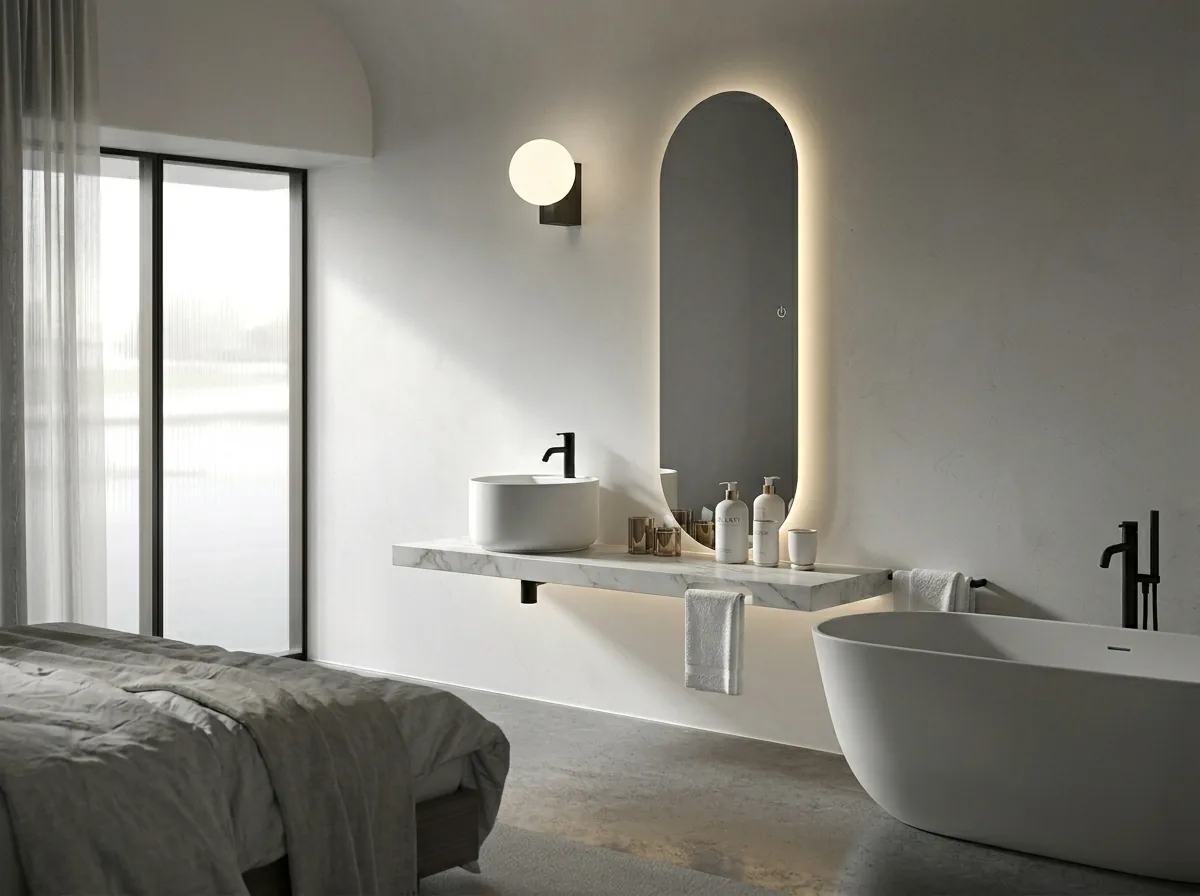
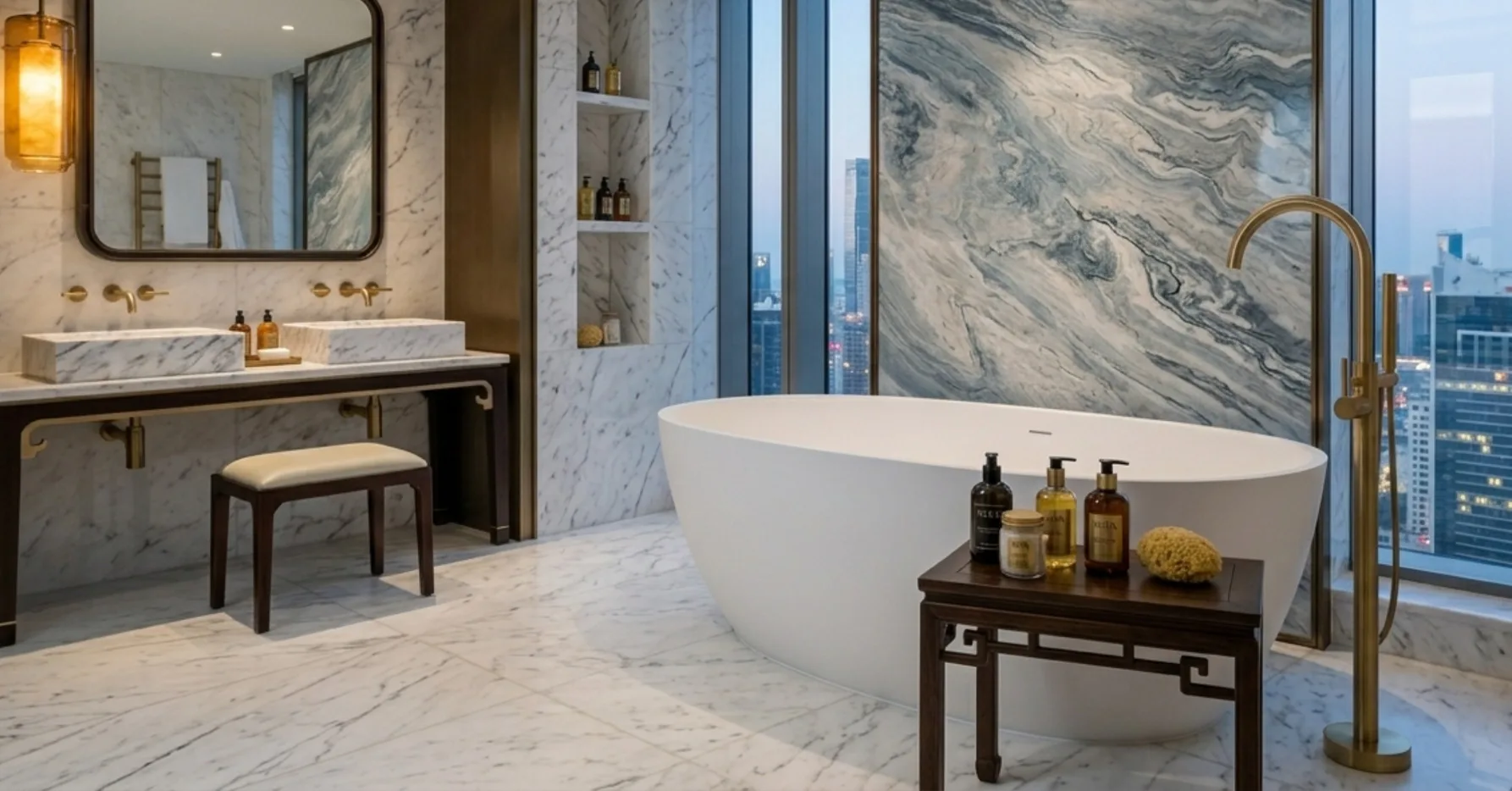
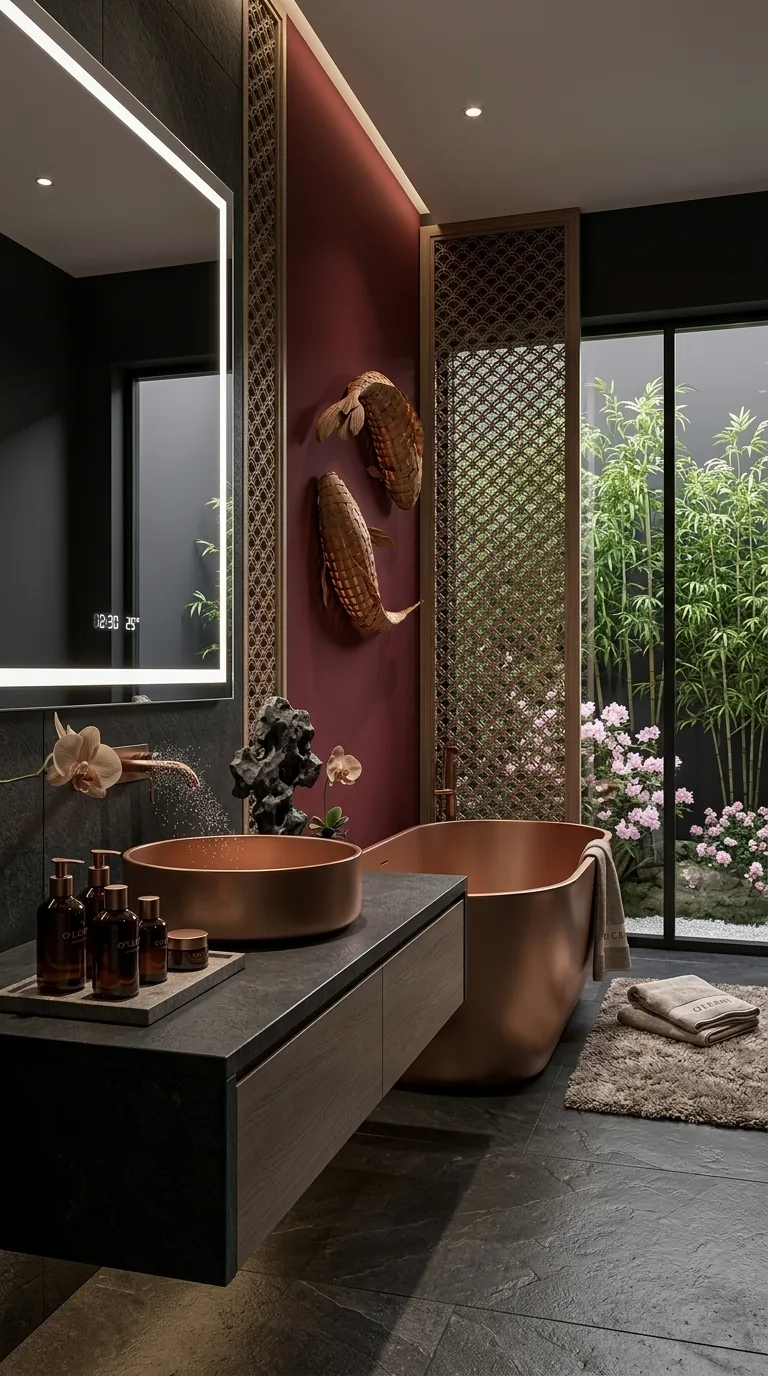
The 2026 roundup specifically calls out the demand for spa-level finishes — matte surfaces, seamless integrated basins, and warm neutral tones — as the defining aesthetic direction. These are not passing trends. They track directly with the broader repositioning of the bathroom as a wellness space rather than a utility room, a shift that has been consistent across KBIS, ISH Frankfurt, and Cersaie presentations for several consecutive show cycles. For distributors and developers sourcing at volume, understanding how surface material choices drive both the look and the long-term maintenance profile of these vanities is now a baseline procurement competency.
What It Means for the Bathroom & Hospitality Market
The growing appetite for 60-inch double vanities in spa-influenced bathrooms puts real pressure on the supply chain to deliver more than stock dimensions and standard finishes. Hospitality procurement in particular is demanding configurations that can be specified to a property's exact aesthetic — specific basin depths, custom color matching, integrated overflow geometry, and surface textures that align with a brand standard. That level of specification is difficult to achieve through retail channels and increasingly drives buyers toward direct-to-manufacturer relationships.
Material selection is where the conversation gets substantive. Cast iron and fireclay deliver mass and an authentic heft, but they limit design flexibility and add significant structural load — a real consideration in renovation projects where floor reinforcement is not in the budget. Stone-resin composites offer a premium weight and thermal feel but can be cost-prohibitive at scale. For hospitality operators specifying across dozens or hundreds of rooms, solid surface material has become the preferred answer: it is non-porous, repairable, available in a wide range of colors and finishes, and manufacturable in virtually any dimension without the tooling cost that synthetic stone or cast formats require.
The integrated basin is another key specification point. A vanity top where the basin and deck are cast as a single piece eliminates grout lines, caulk joints, and the seam failures that accumulate over years of thermal cycling and cleaning in a hotel environment. Housekeeping teams can sanitize a seamless surface in seconds. That operational benefit is increasingly cited alongside the aesthetic one in FF&E specification documents, particularly for four- and five-star properties where guest review scores are sensitive to bathroom condition.
Custom washbasins — whether undermount, vessel, or fully integrated — are also being specified with greater intentionality around drain placement, basin depth, and overflow design. These details matter in a double-vanity layout because two basins in a 60-inch run have relatively limited visual separation. When the basin geometry, faucet deck, and surface color are all coordinated through a single manufacturer, the result reads as a designed object. When they are assembled from multiple vendor sources, the seams show — literally and figuratively.
For developers working across multiple properties or brands, the ability to specify custom washbasins with consistent dimensions and finishes across a portfolio is a significant operational advantage. It simplifies replacement procurement, standardizes installation, and supports brand continuity across geographies.
The OLEARY View
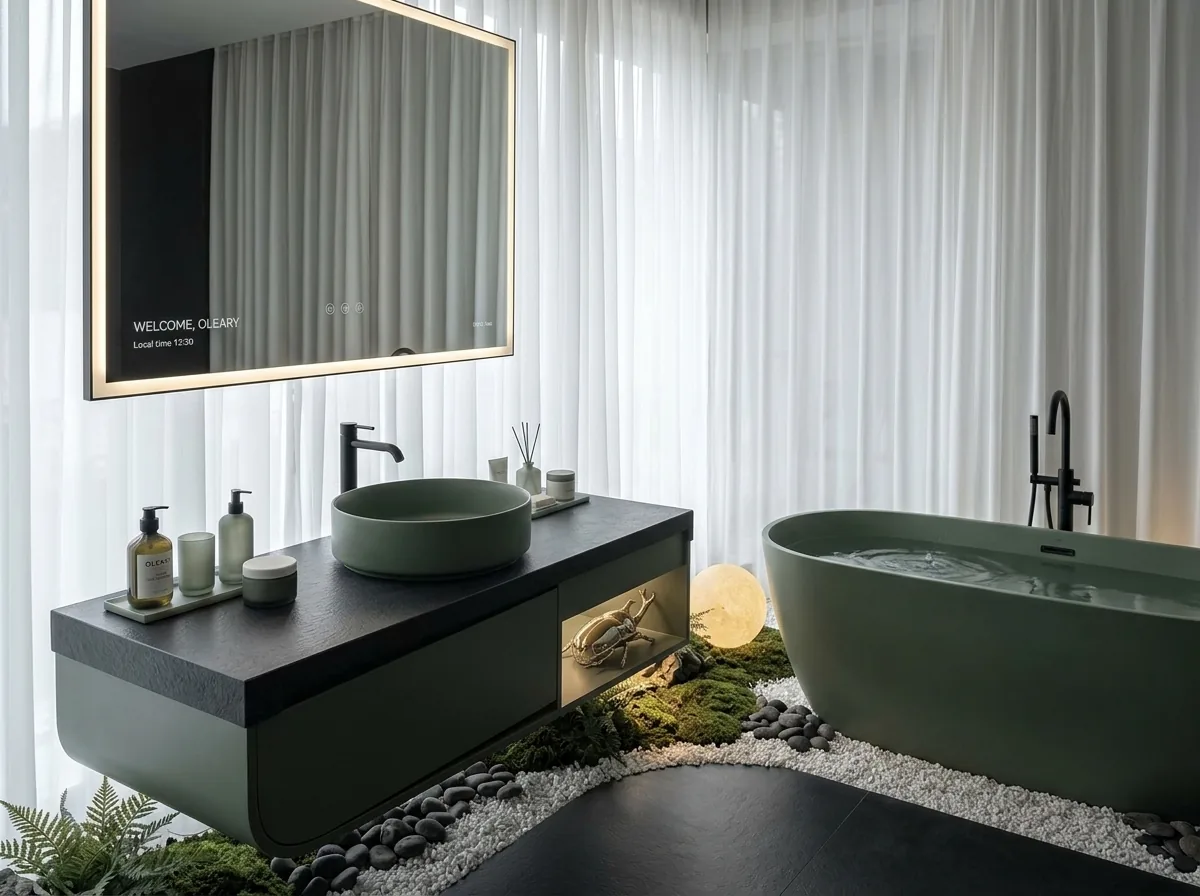
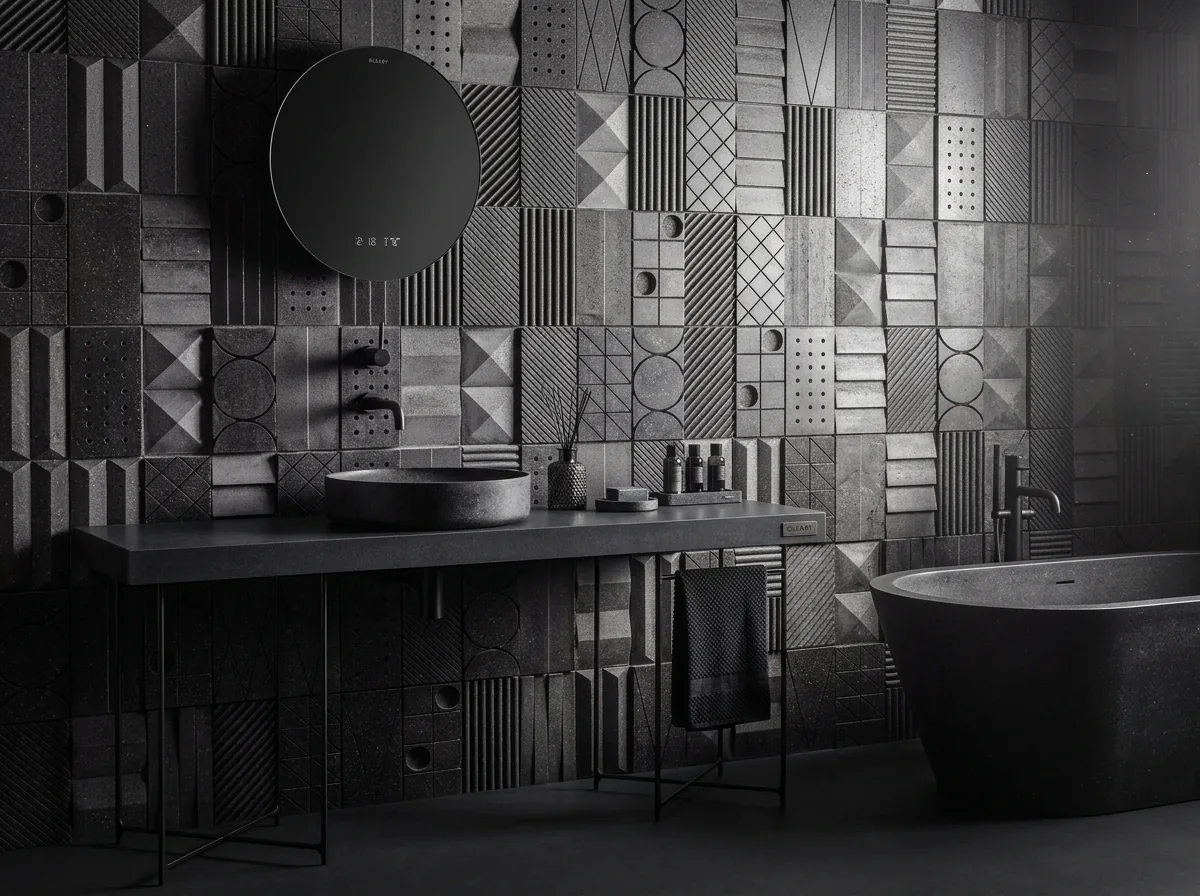
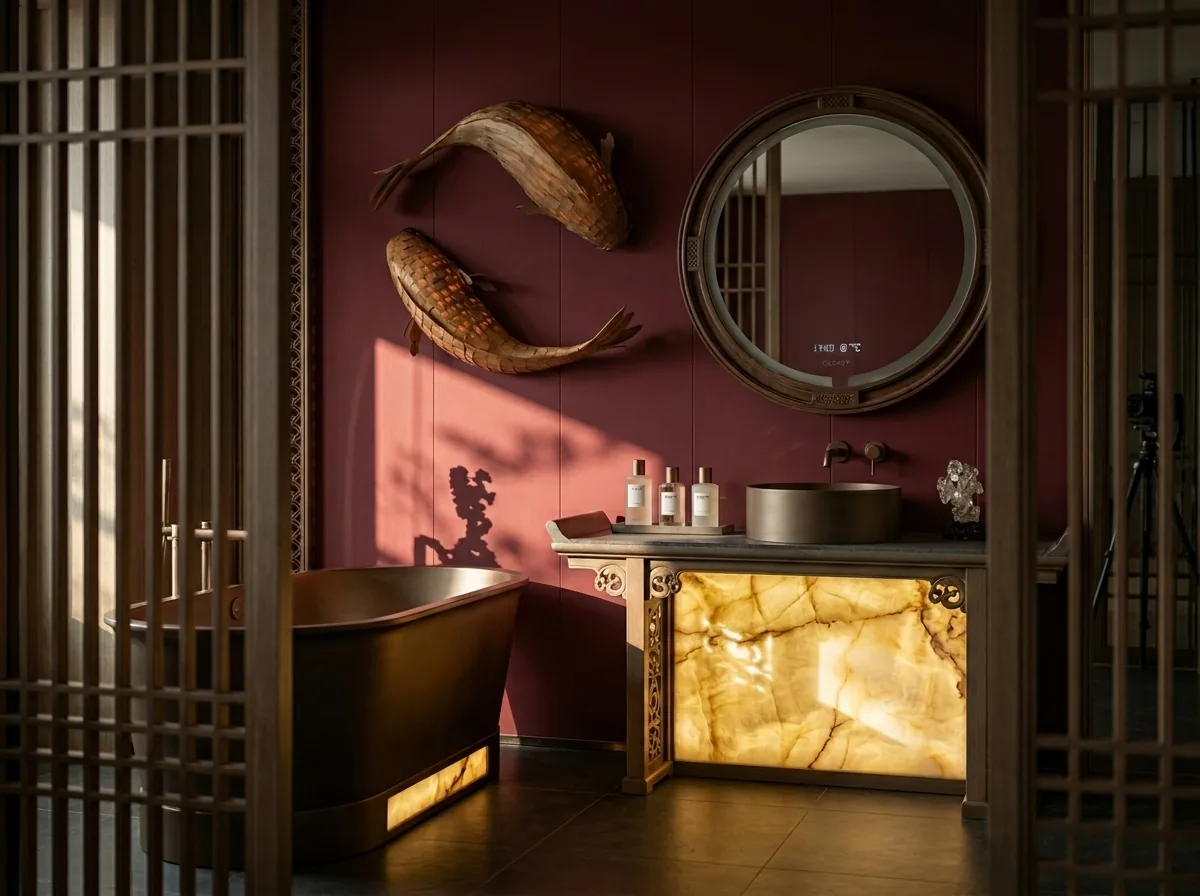
At OLEARY, the shift toward integrated, specification-driven vanity design is something we have been supplying directly for years. Our custom solid surface bathtubs and vanity tops are manufactured to project specifications — not adapted from stock SKUs — which means the 60-inch double-vanity format that a hospitality designer sketches in concept can be what actually arrives on the job site.
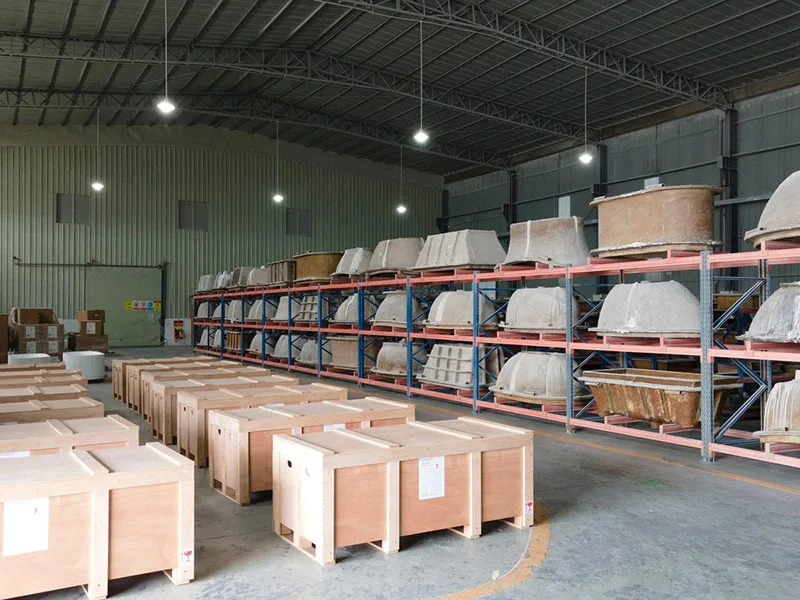
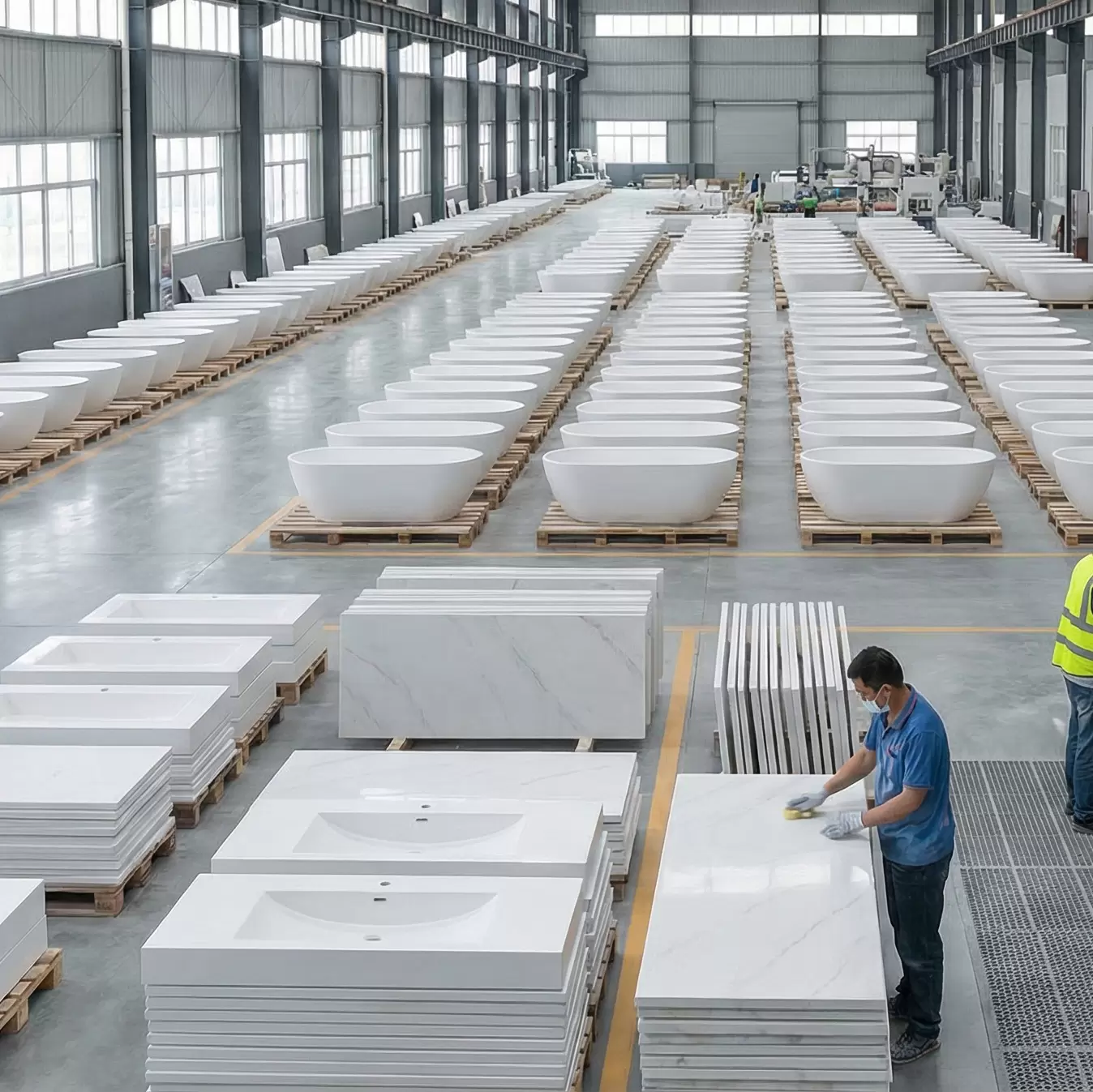
Our OLEARY factory handles the full production scope: surface casting, basin integration, color matching, and finish development. For hotel groups and developers running hotel bathroom projects across multiple properties, our OEM/ODM bathtub manufacturing capability means a design standard can be locked in and reproduced consistently at whatever volume the rollout requires. There are no minimum-order compromises on geometry or finish.
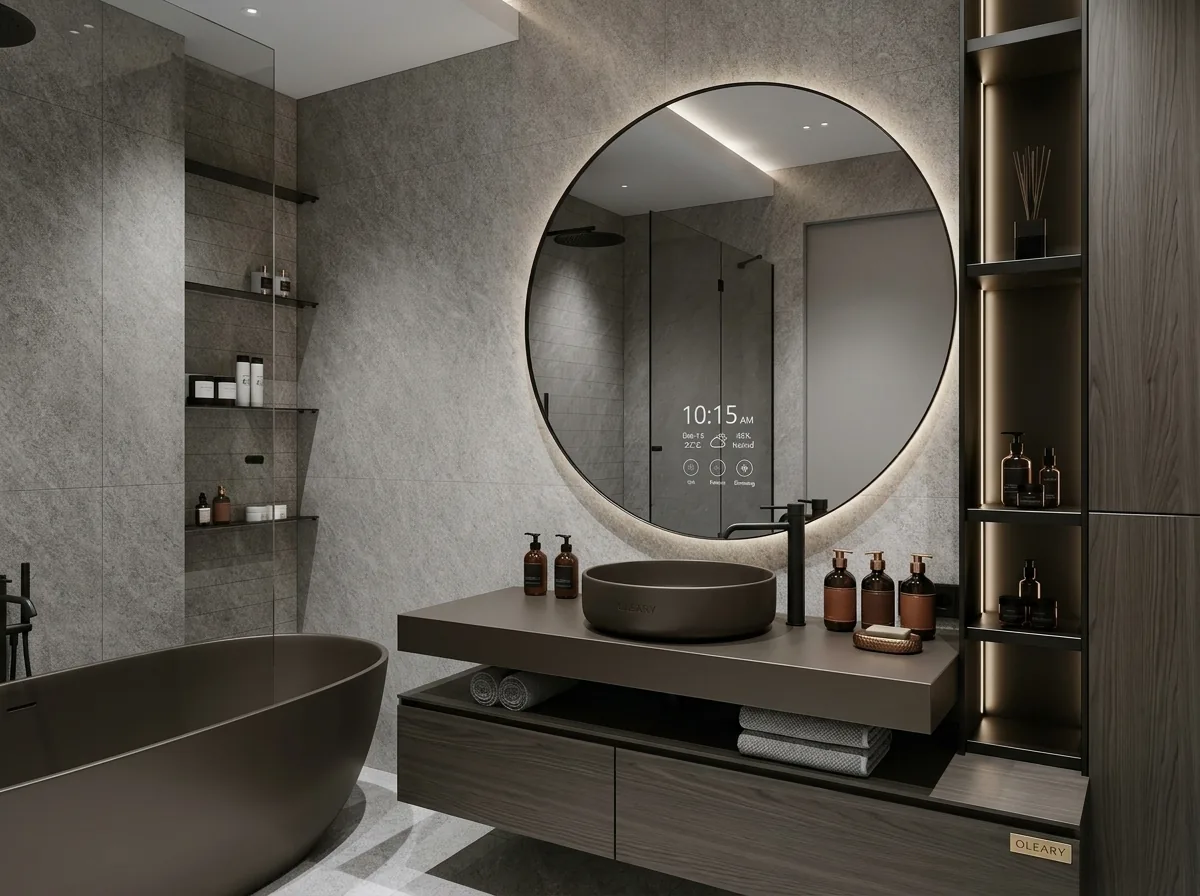
The spa aesthetic that is driving the 60-inch double-vanity category — matte whites, warm greiges, seamless transitions between horizontal and vertical surfaces — is exactly what solid surface executes best. It is a material that does not fight the designer. For buyers who want to see the full range of what is possible, our bathroom fixtures catalog covers the scope from freestanding soaking tubs to integrated vanity systems. And for projects that need freestanding bathtubs to complete the suite bathroom program alongside the vanity specification, we supply those from the same production environment — which keeps lead times, finishes, and logistics aligned under a single source.