Industry Brief
Interior designers surveyed by Veranda have identified ten bathroom trends gaining serious traction in 2025 — and for hospitality procurement teams and commercial specifiers, the list reads less like a lifestyle forecast and more like a specification checklist. The recurring themes are sculptural forms, natural material references, muted and earthy palettes, and a deliberate move away from the clinical white-and-chrome bathroom that dominated the previous decade.
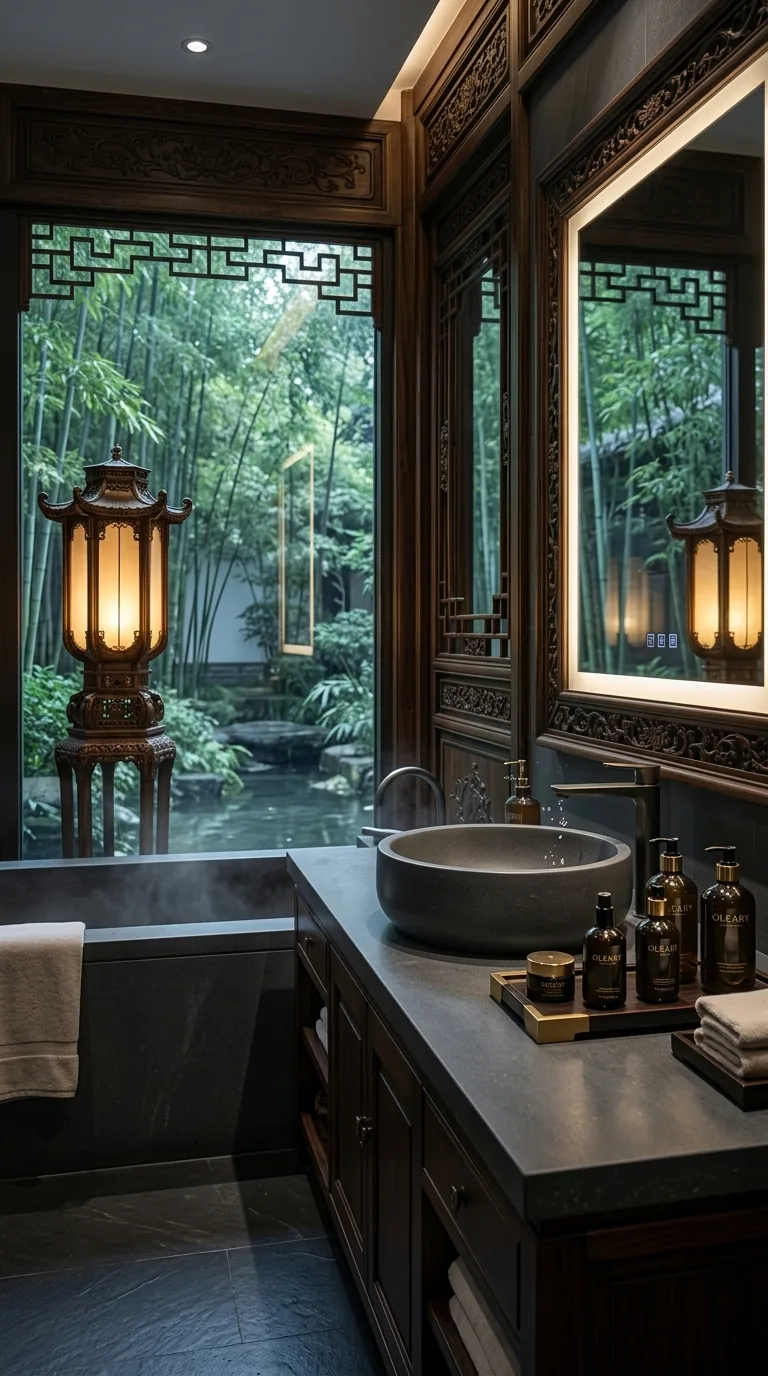
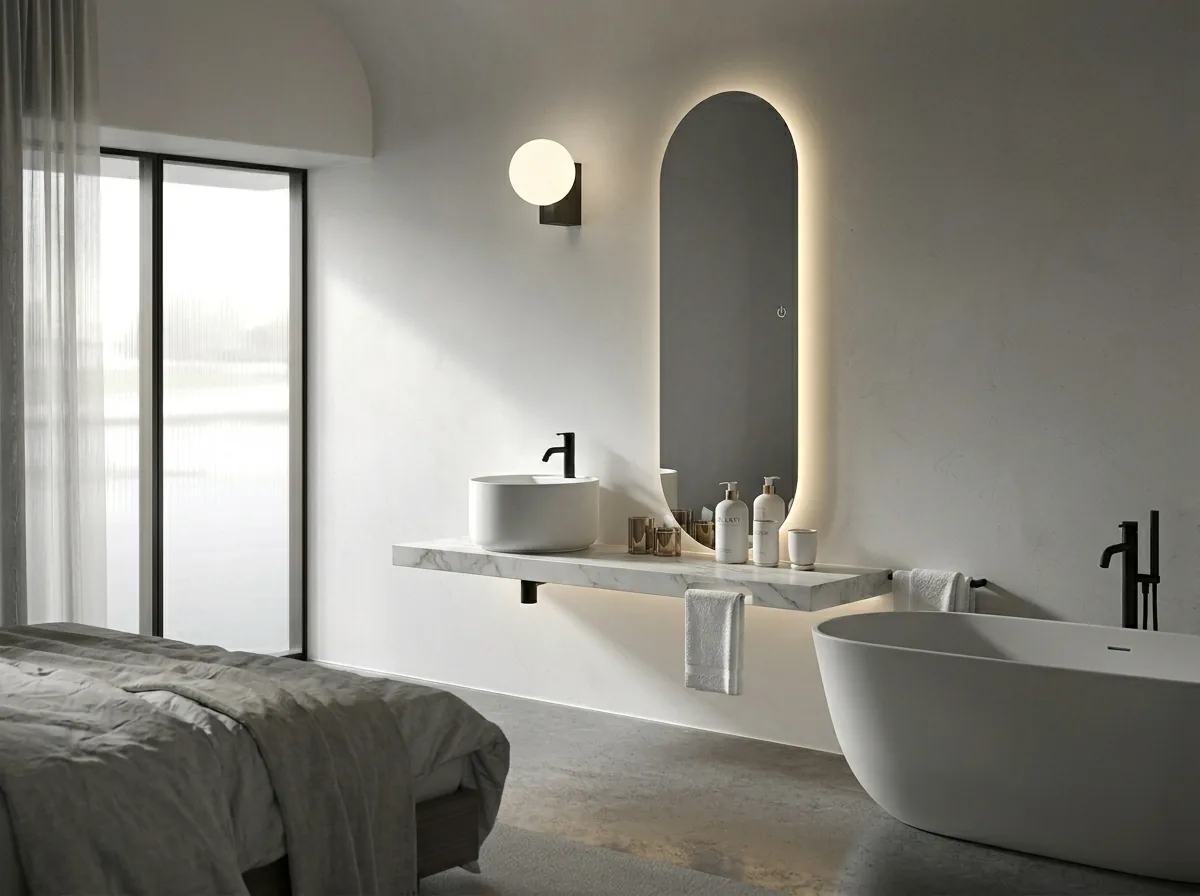
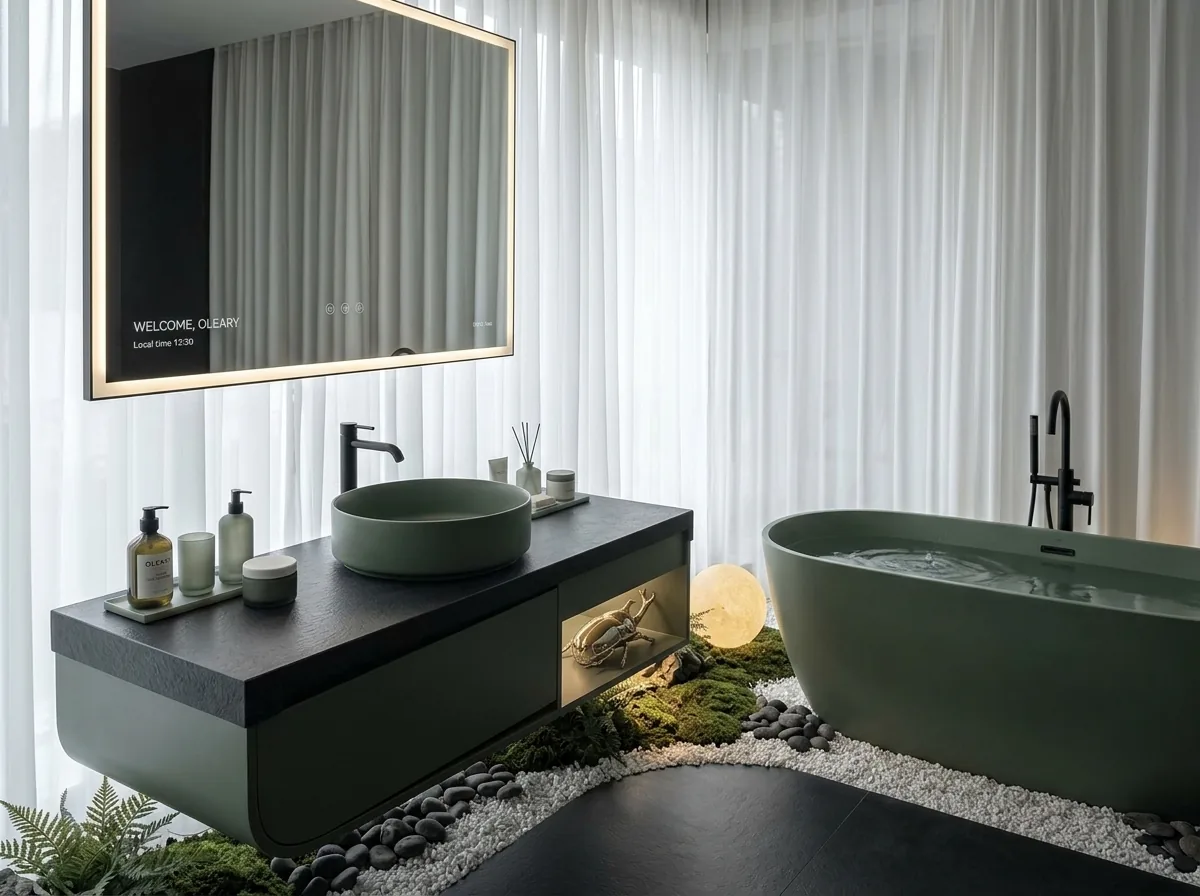
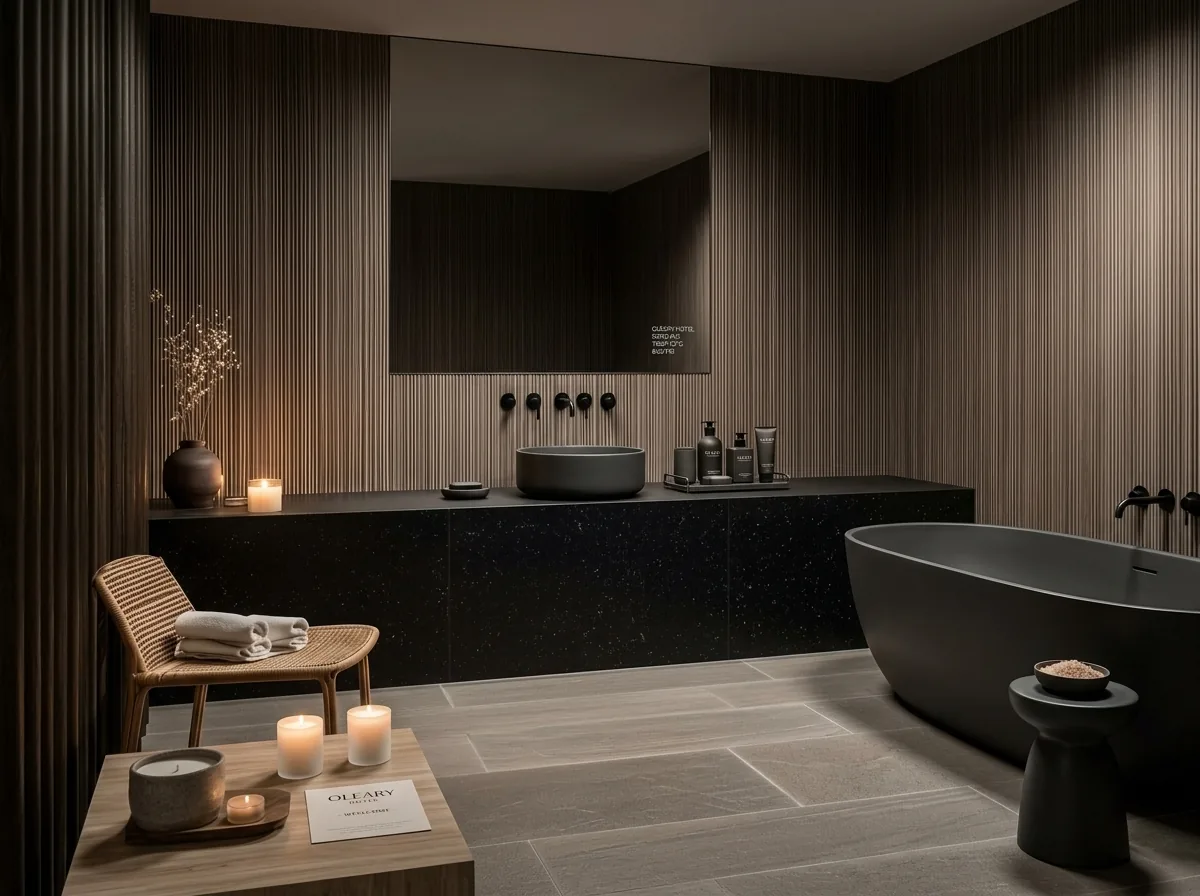
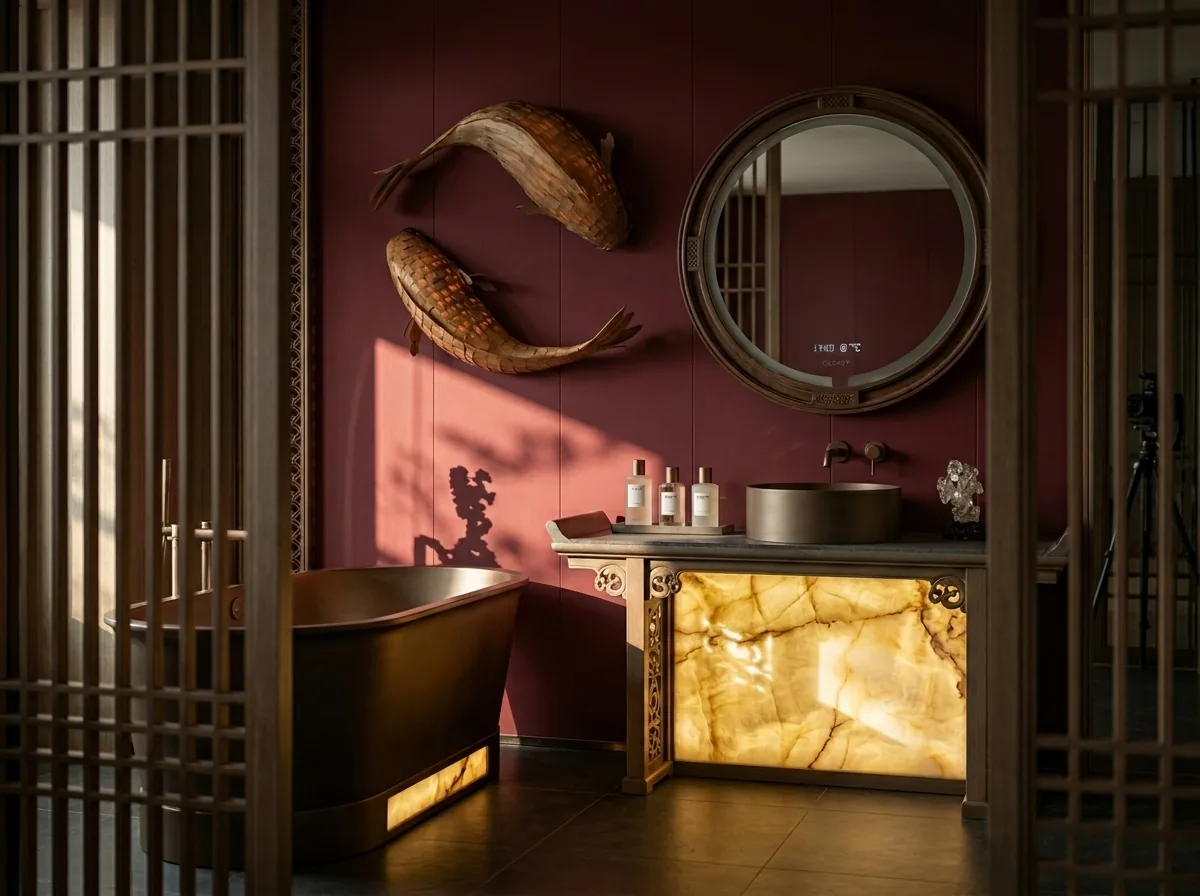
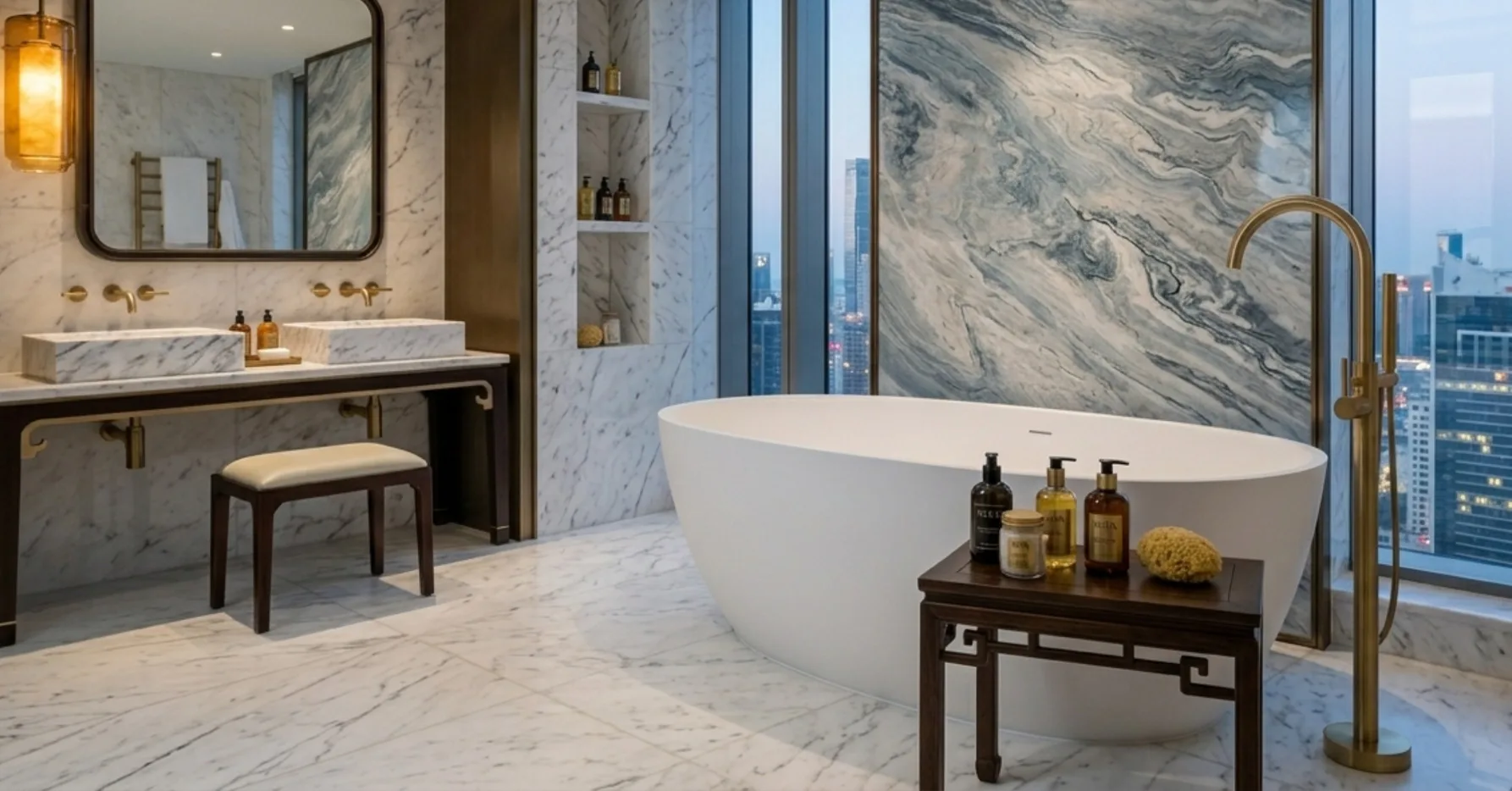
Among the most widely cited directions: freestanding soaking tubs positioned as the visual centerpiece of the room, integrated vanity surfaces that blur the line between furniture and fixture, and a strong preference for matte finishes over gloss. Stone-look aesthetics — achieved through materials that replicate the warmth of travertine, limestone, and concrete without the maintenance burden — are appearing across projects at every price point, from boutique guestrooms to luxury resort suites.
Warm neutrals are replacing cool grays as the dominant background tone, and designers are increasingly specifying fixtures that read as intentional sculptural objects rather than commodity fittings. Vessel-style and above-counter basins are back in force, now paired with slimmer, more architectural vanity tops rather than the bulky countertop assemblies of earlier cycles.
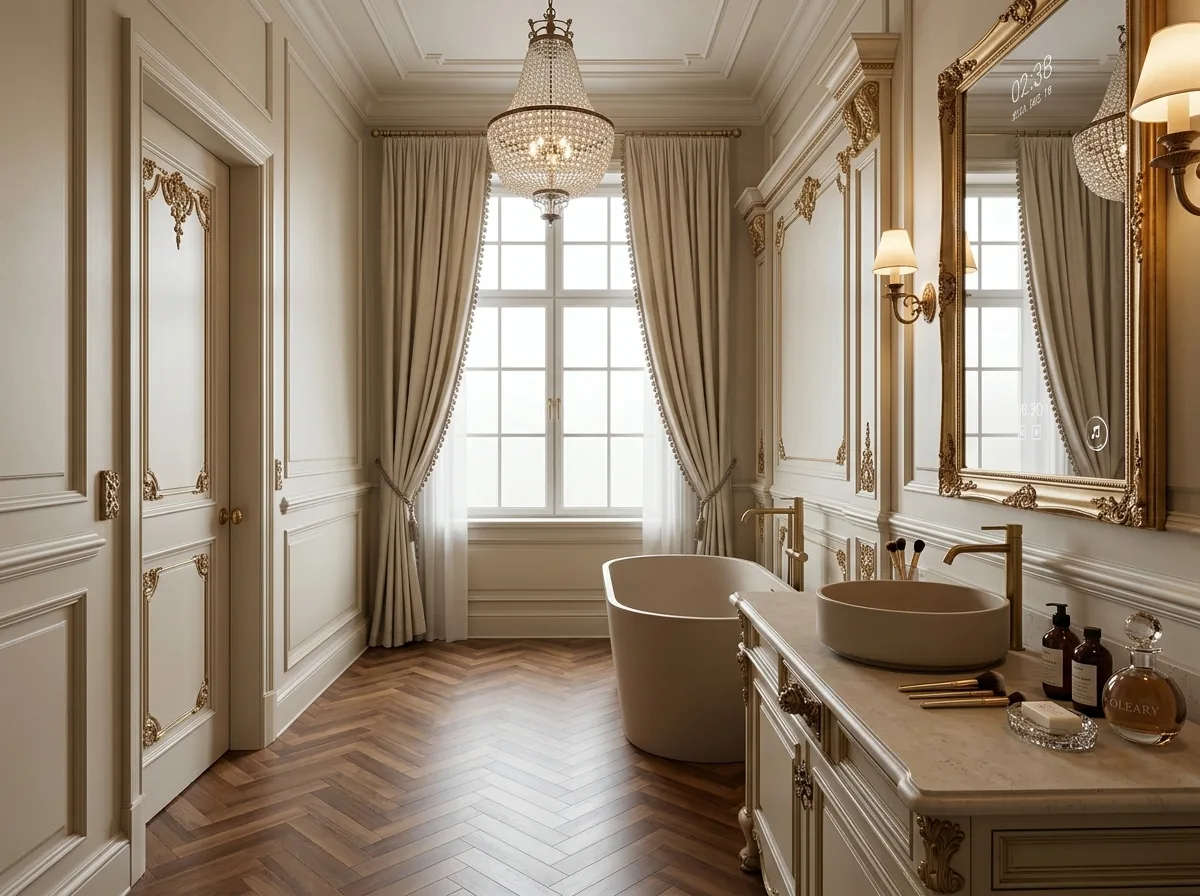
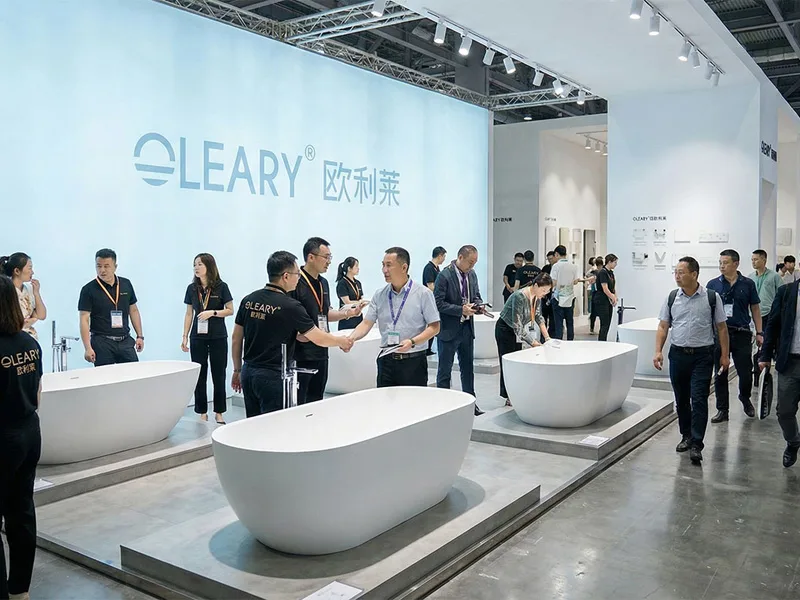
The trend data aligns with what buyers and specifiers have been signaling at major trade events — from KBIS in Las Vegas to ISH Frankfurt and Cersaie in Bologna. The conversation has shifted from finish and color alone to form, material authenticity, and long-term durability. For manufacturers and distributors operating in the commercial channel, these are not passing aesthetic preferences. They reflect a broader repositioning of the bathroom as a high-value amenity space, particularly in hospitality.
What It Means for the Bathroom & Hospitality Market
For hotel developers and FF&E procurement teams, the 2025 trend picture creates both opportunity and specification pressure. The move toward sculptural, statement bathtubs and integrated stone-look surfaces means that off-the-shelf commodity fixtures are increasingly difficult to position in mid-to-upper-tier properties. Guests have genuinely raised their expectations — driven in part by the social media visibility of hotel bathrooms — and procurement decisions that would once have centered on price per unit now involve a more complex conversation about design differentiation and material quality.
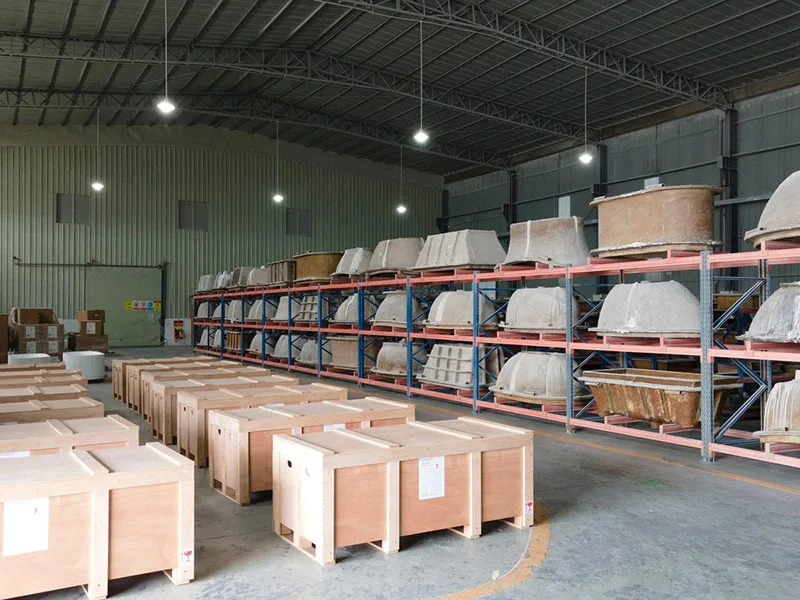
The preference for matte, stone-referencing finishes is particularly relevant for material selection. Acrylic, which dominated hospitality bathtub specification for years on the basis of low cost and light weight, struggles to deliver the warm, dense aesthetic that designers and guests now expect. Cast iron remains too heavy for most multi-story hotel construction without structural accommodation. Stone resin offers the right visual weight but can present lead-time and customization constraints at project scale. This is precisely where solid surface material has gained ground — it can be thermoformed and CNC-machined into complex organic shapes, finished matte or semi-matte to convincingly reference natural stone, and specified in custom dimensions to suit non-standard room layouts without the tooling costs associated with fiberglass molds.
The resurgence of freestanding bathtubs as a design focal point reinforces this. A freestanding tub in a hotel suite is not simply a bathing fixture — it is a photograph, a social proof point, and a justification for the nightly rate. Designers are specifying forms that would have been custom millwork territory a few years ago: continuous curved walls, asymmetric profiles, integrated overflow channels that disappear into the surface. These geometries are not achievable in standard acrylic thermoforming without visible seams or compromises; solid surface fabrication handles them cleanly.
For interior designers working on residential projects, the same logic applies at a smaller scale. The trend toward integrated vanity tops and above-counter custom washbasins is pushing clients toward bespoke fabrication, particularly where irregular room geometries or custom cabinetry dimensions make standard catalog sizes unworkable. The ability to specify an exact footprint, edge profile, and finish — and receive a finished piece that installs cleanly against custom joinery — is a genuine differentiator in a competitive design environment.
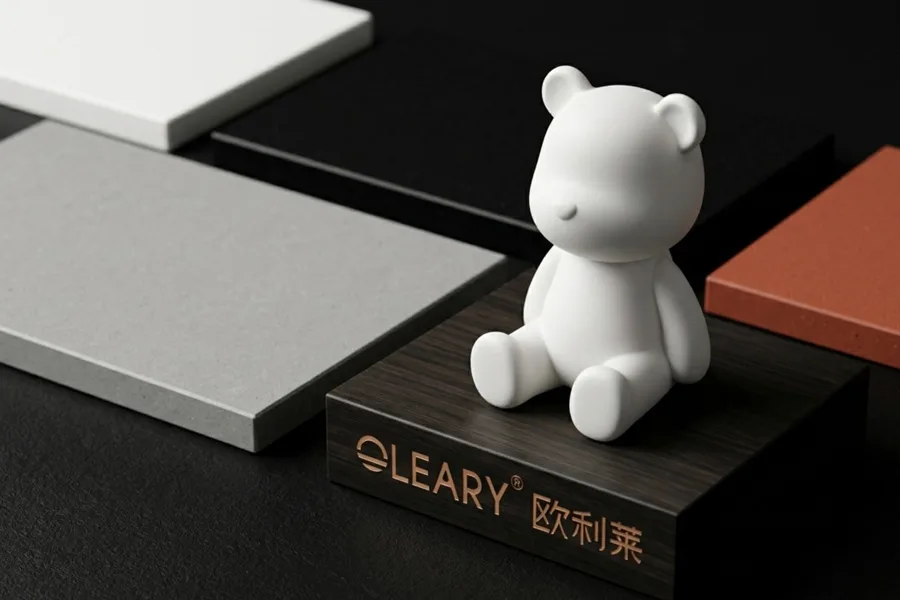
Distributors and export buyers should also note that the warm-neutral palette shift has a direct impact on colorway demand. The move away from bright white toward linen, sand, warm taupe, and off-white tones means that manufacturers with a flexible color and finish program are better positioned than those locked into a narrow standard range.
The OLEARY View
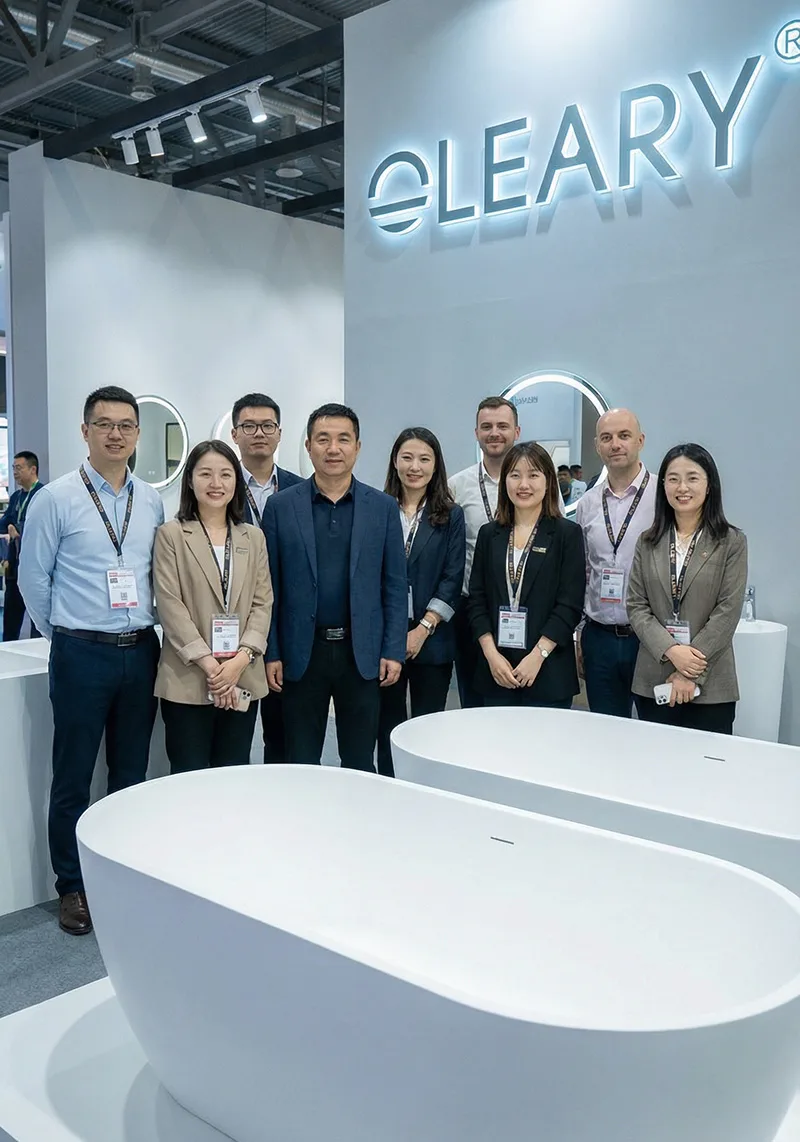
The trends Veranda's designers are describing are not new to us at OLEARY. We have been tracking the same specification shifts through our project pipeline — more freestanding forms, more matte stone-look finishes, more requests for non-standard dimensions that simply cannot be sourced from a standard catalog. What has changed is the pace at which these preferences are moving from luxury outliers to mainstream project requirements.
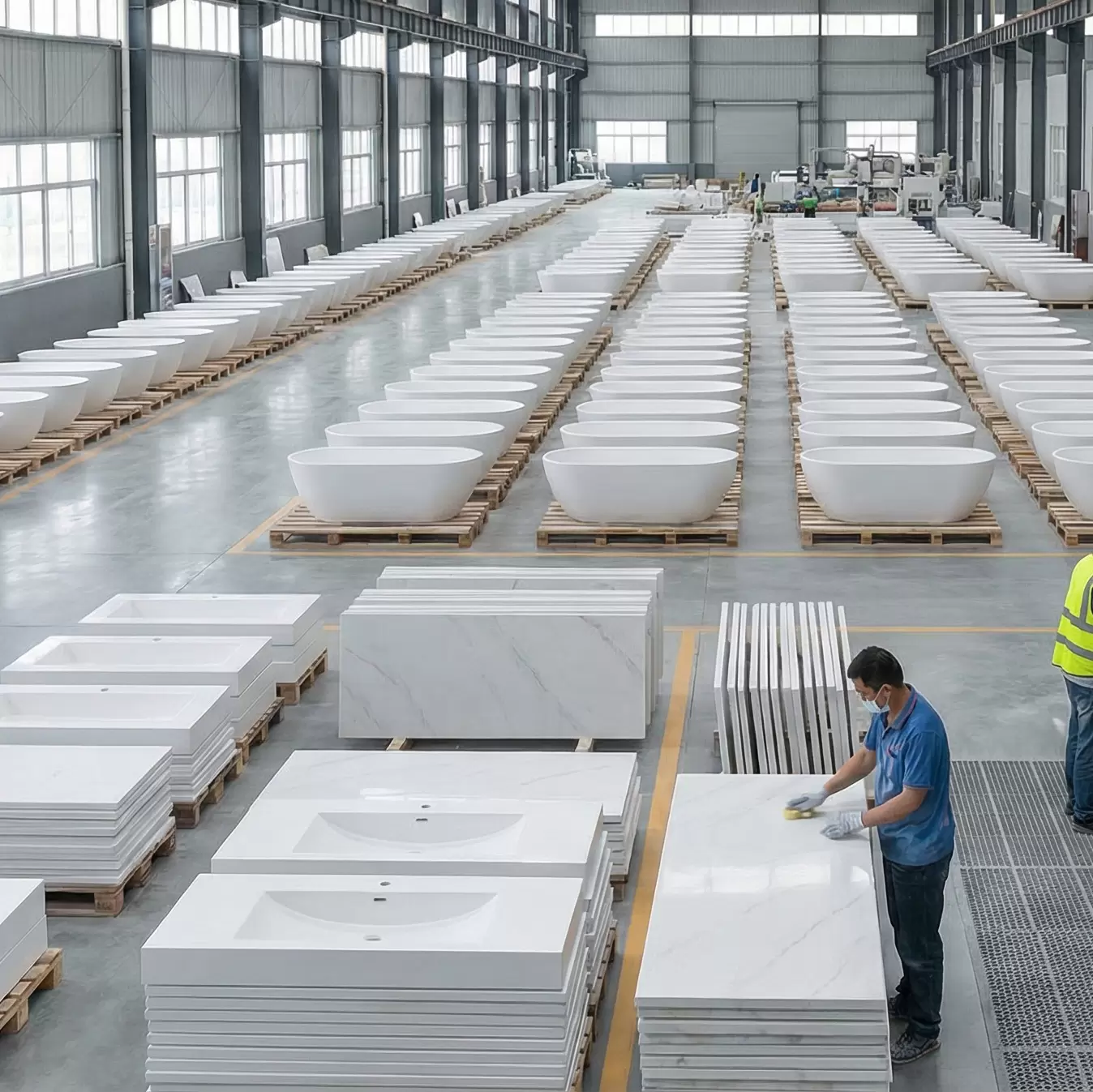
Our production model is built for exactly this environment. Custom solid surface bathtubs and vanity tops are manufactured to project-specific dimensions and finish specifications, with the flexibility to accommodate the kind of sculptural geometries that are now driving hospitality and high-end residential briefs. Because we operate factory-direct, the design-to-production loop is short — specifiers work directly with our technical team rather than through a chain of intermediaries that adds time and erodes specification accuracy.
For brands and distributors looking to build or expand their own bathroom fixture range, our OEM/ODM bathtub manufacturing capability means you can bring a custom design to market under your own label without the capital burden of establishing your own production. We handle the engineering, material sourcing, and QC. You bring the design intent and the market relationship.
If you are specifying fixtures for hotel bathroom projects or evaluating options for a residential development, our full bathroom fixtures catalog is a practical starting point — but the more useful conversation is usually the one that starts with your floor plan and your finish board, not a product number.